New Mexico No. 9, 1913
Before 1913, chile peppers in New Mexico were what they had always been: a collection of locally adapted landrace strains, varying in heat, shape and yield from valley to valley, farmer to farmer, season to season. No standard existed. No grower could promise a buyer a consistent pod, and no buyer could demand one. Fabián García changed that with a single release.
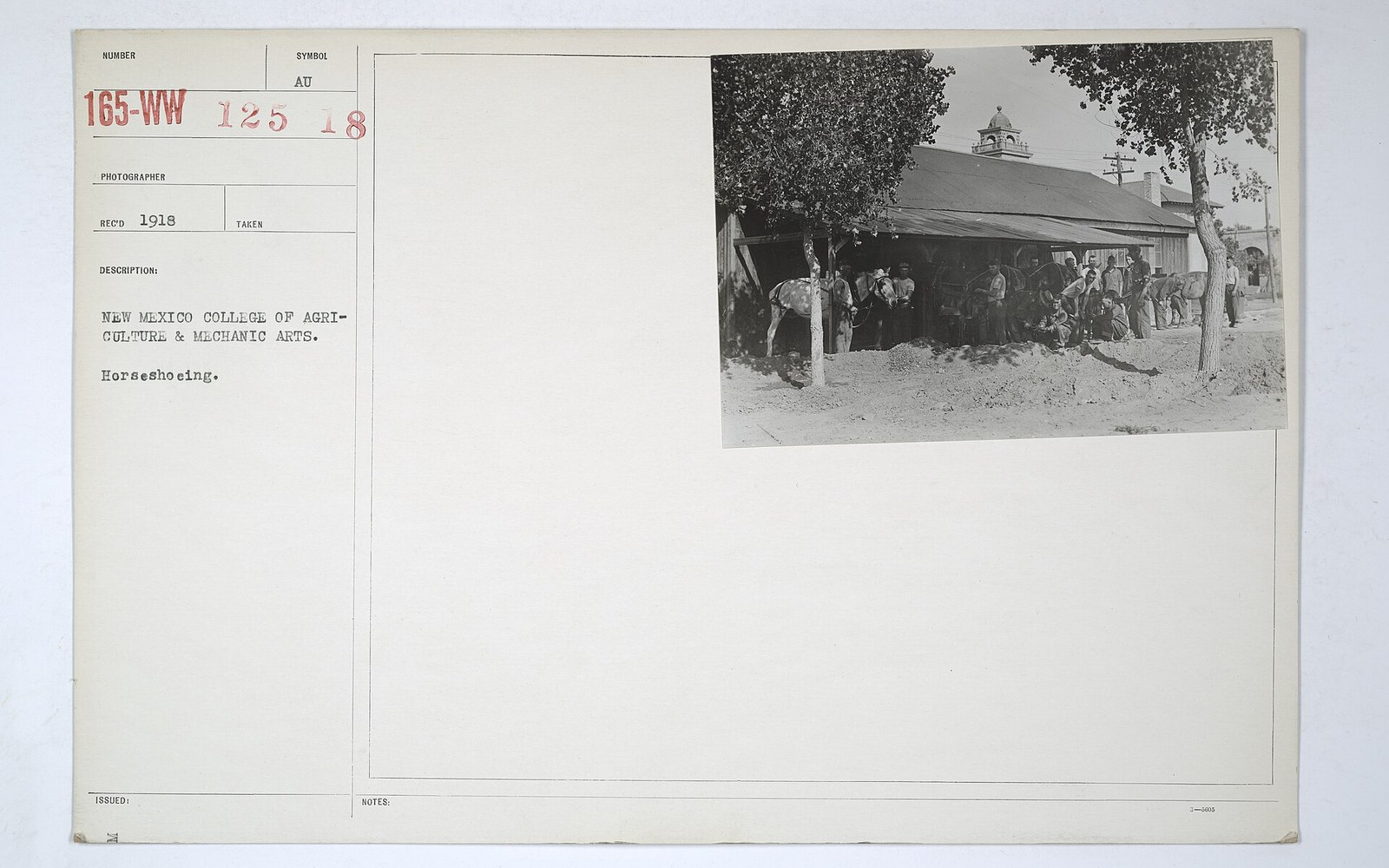
Photo: Wikimedia Commons
The cultivar that made everything after it possible
García had arrived at the New Mexico College of Agriculture and Mechanic Arts in Las Cruces in the 1890s and turned almost immediately to the problem of standardisation. The college, which would eventually become New Mexico State University ↗, had both the land and the mandate to make Southwestern agriculture legible to commercial markets. Chile was the obvious candidate: economically important, culturally central, and entirely unstandardised. García spent more than a decade selecting for consistent pod size, mild heat, and thick flesh suitable for drying and canning. In 1913, he released the result: New Mexico No. 9.
The cultivar was not the hottest pepper in the territory, nor the most flavorful by every measure. It was, instead, the most predictable. Processors could rely on uniform color and wall thickness; canners could calibrate; growers could negotiate contracts on something approaching shared terms. The Scoville Heat Unit scale, which pharmacist Wilbur Scoville established in 1912, had only just provided the vocabulary for measuring what García was breeding toward. García's 1908 bulletin on chile research, preserved through HathiTrust, documents the methodical crossing and selection work that preceded the release.
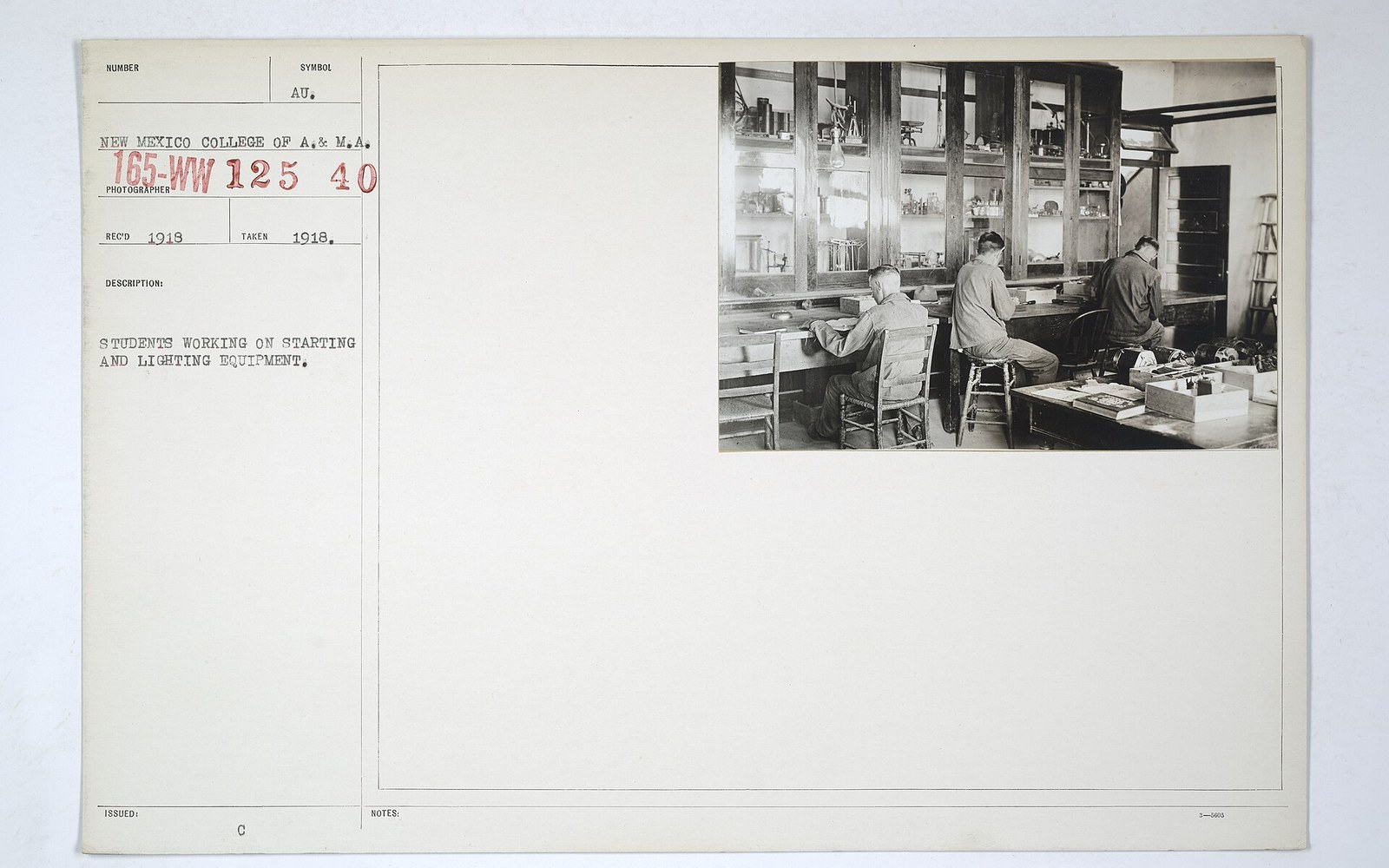
The same campus a few years on. Fixing a pod was laboratory bookkeeping before it was field work.
Photo: Wikimedia Commons
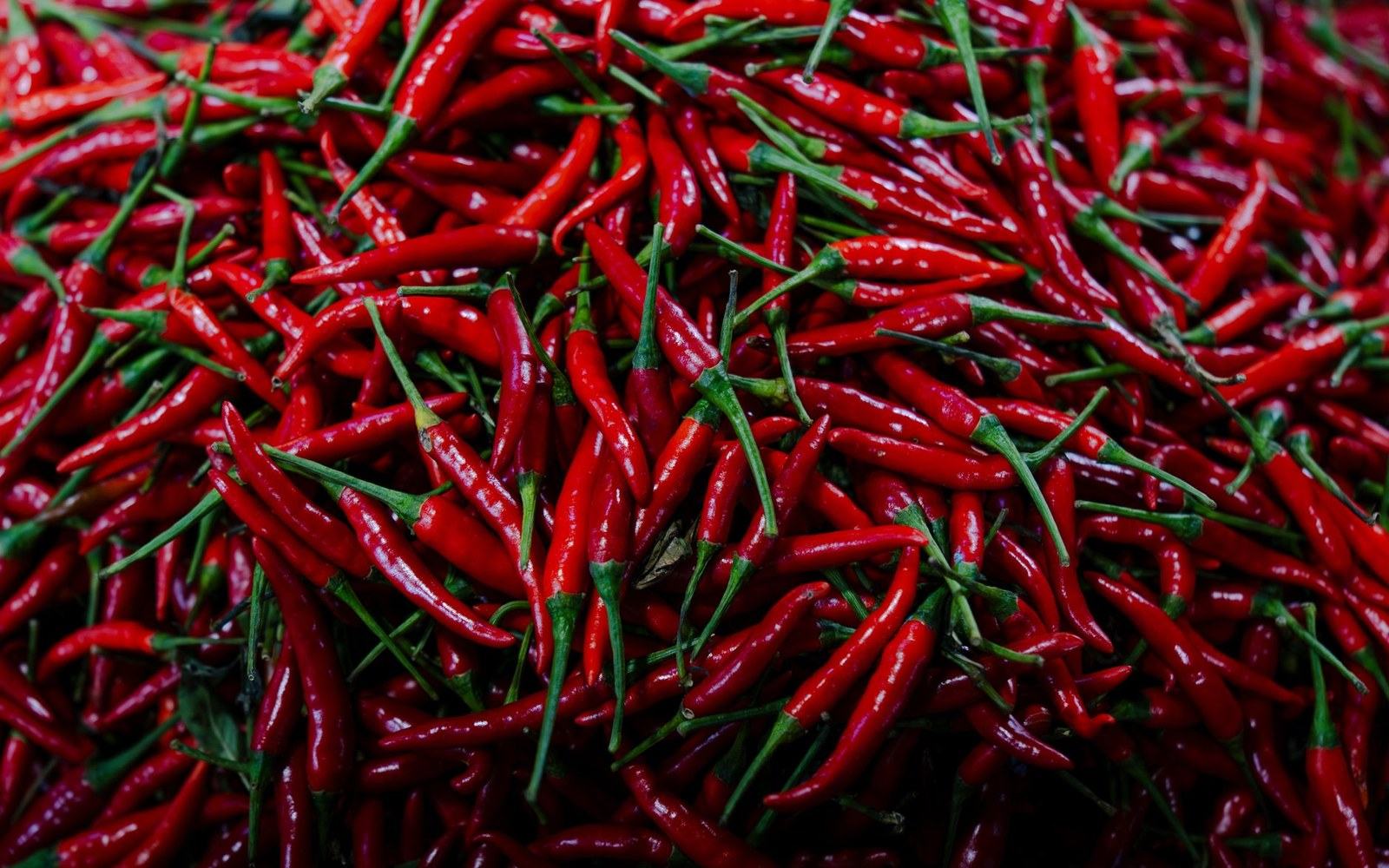
Everything carrying a NuMex prefix descends from the line García stabilised.
Photo: Elizabeth Celestino / Pexels
No. 9 also codified the New Mexican chile type morphologically: elongated, smooth-shouldered, ripening from green to red, suited to roasting. Every major commercial cultivar that followed — including Roy Nakayama's NuMex Big Jim in 1975 — worked within the pod template García established. The breeding programme at NMSU did not reinvent the chile; it refined and scaled what No. 9 had already fixed.
García's influence rarely appears on a ristra or a restaurant menu, but it is present in both. The dried red chiles that go into carne adovada, the green pods roasting in September drums across the state, the heirloom strains that Chimayó growers have kept separate precisely because they predate standardisation — all of them exist in a landscape that New Mexico No. 9 reorganised. The year 1913 is when New Mexican chile became, for better and for complexity, a managed crop.
Also in Chile