Red or Green — and What the Legislature Did About It
Every table in New Mexico carries a version of the same exchange. A plate arrives — enchiladas, a burrito, a bowl of posole — and the server asks: red or green? The question is so embedded in the state's daily life that, by 1996, the New Mexico Legislature decided it needed a formal answer to the answer, and designated "Red or Green?" the official State Question.
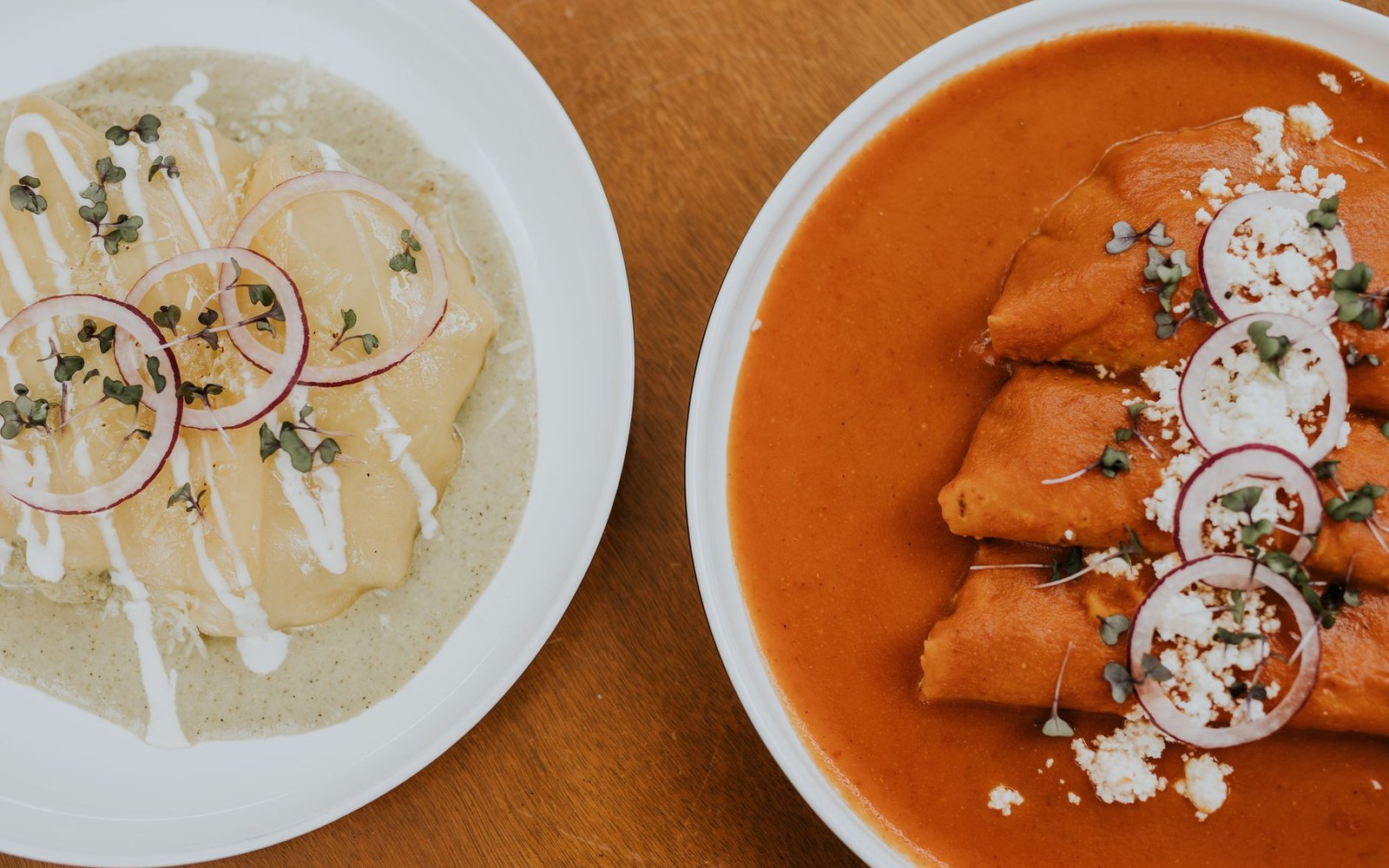
Photo: Amar Preciado / Pexels
The Question Before It Was Official
The bill was not ceremonial theater. The Legislature had already voted the biscochito into law as the official state cookie in 1989, establishing a pattern of codifying the food culture that outsiders sometimes misread as self-parody. The State Question designation, signed into law in 1996, recognised something real: that the choice between red and green chile is the operative decision of New Mexican cooking, the hinge on which daily meals turn. Putting it in statute gave it the same standing as the state bird and the state fossil.
Red, Green, and the Word in Between
The distinction is not merely one of color. Red and green chile come from the same species — Capsicum annuum — but they represent different moments in the pod's life and entirely different flavor profiles. Green chile is harvested immature, roasted, and used fresh or frozen; its flavor runs grassy, bright, and can be searingly hot. Red chile is the same pod left on the plant to ripen fully, then dried — often strung into the ristras that hang from portal posts across the state. Dried and ground or reconstituted into sauce, red chile develops an earthier, deeper, often sweeter heat. The capsaicin concentration shifts between varieties and growing conditions, but the flavor transformation between green and red is as much about ripeness and preparation as it is about cultivar.
The breeding history behind both colors runs through New Mexico State University. Fabián García's standardization work in the early twentieth century gave growers a consistent pod to dry and process at scale, making red chile sauce a reliable commercial and home product. Roy Nakayama's later releases expanded the green chile market. Without that program, the restaurant question would have less agricultural ground beneath it.
"Christmas" is the answer that refuses to choose. It means both sauces on the same plate — red on one side, green on the other, or layered however the kitchen manages it. The word is in common use statewide and has been for generations; its origin is not documented to a single source, but the term appears in print references to New Mexican restaurant culture well before the Legislature acted. Some accounts associate its spread with the tourist trade of the mid-twentieth century, when out-of-state visitors unfamiliar with the choice defaulted to asking for both, and kitchen shorthand filled the gap. What is certain is that by the time the State Question was codified, "Christmas" was already standard vocabulary in every diner and restaurant that served New Mexican food.
What the Designation Actually Did
Designating a State Question is a different act from designating a state food. The biscochito's statute simply names it the official state cookie; the State Question has no enforcement mechanism, no standard sauce formulation, no licensed variety of chile behind it. What the Legislature did in 1996 was acknowledge that a piece of vernacular culture had risen to the level of civic identity. The question is asked millions of times a year in New Mexico, and the answer shapes the plate in a way that no other regional condiment choice quite matches.
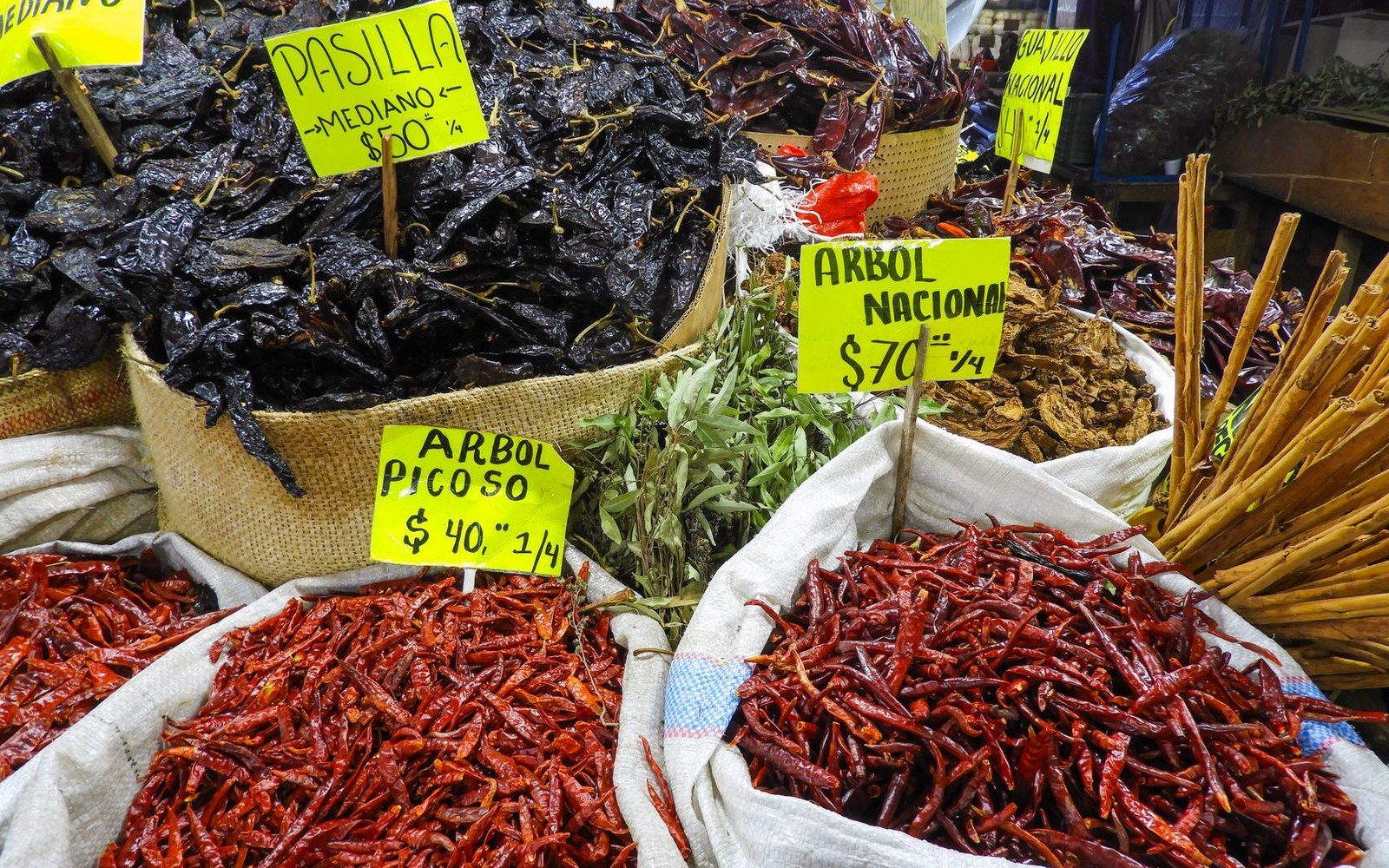
Red is not a different chile. It is the same pod left on the plant until it colours, then dried on a wall like this one.
Photo: Ericka Sánchez / Pexels
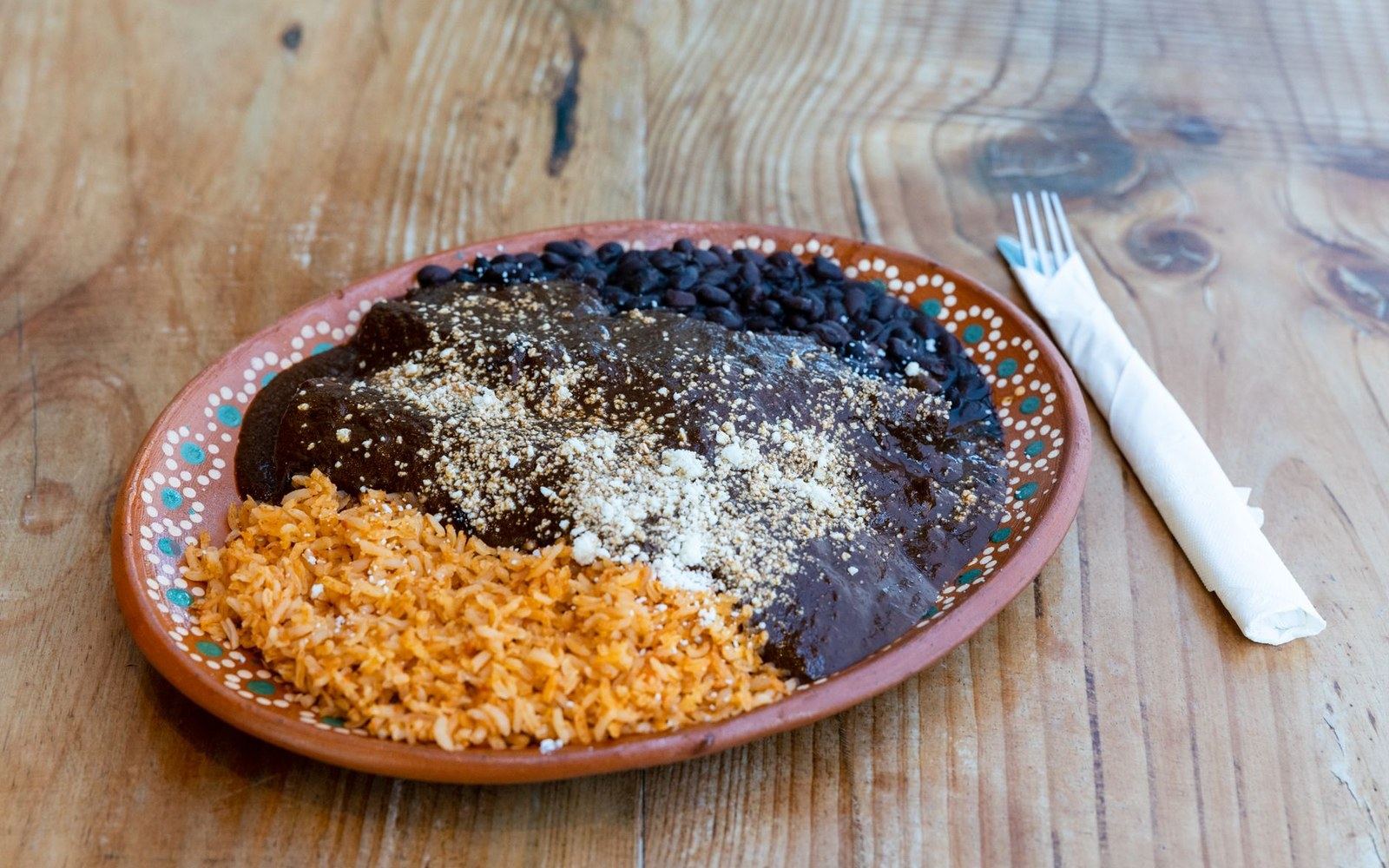
Christmas, on a plate: the two sauces are kept in separate pools rather than stirred together, which is the whole reason the question gets asked.
Photo: Snappr / Pexels
The question also encodes a mild geography lesson. Red chile sauce — made from dried pods, often from Hatch or Chimayó — travels better through the year; green depends on harvest season and the freezer. A New Mexican kitchen that stocks both is a kitchen organized around the calendar of the pod, which is ultimately what the State Question, in its small legislative way, ratified as a fact of life.
Also in Chile