The Legislature Voted on a Cookie in 1989 and Got It Right
New Mexico was first in the country to name a state cookie. The choice was not arbitrary.
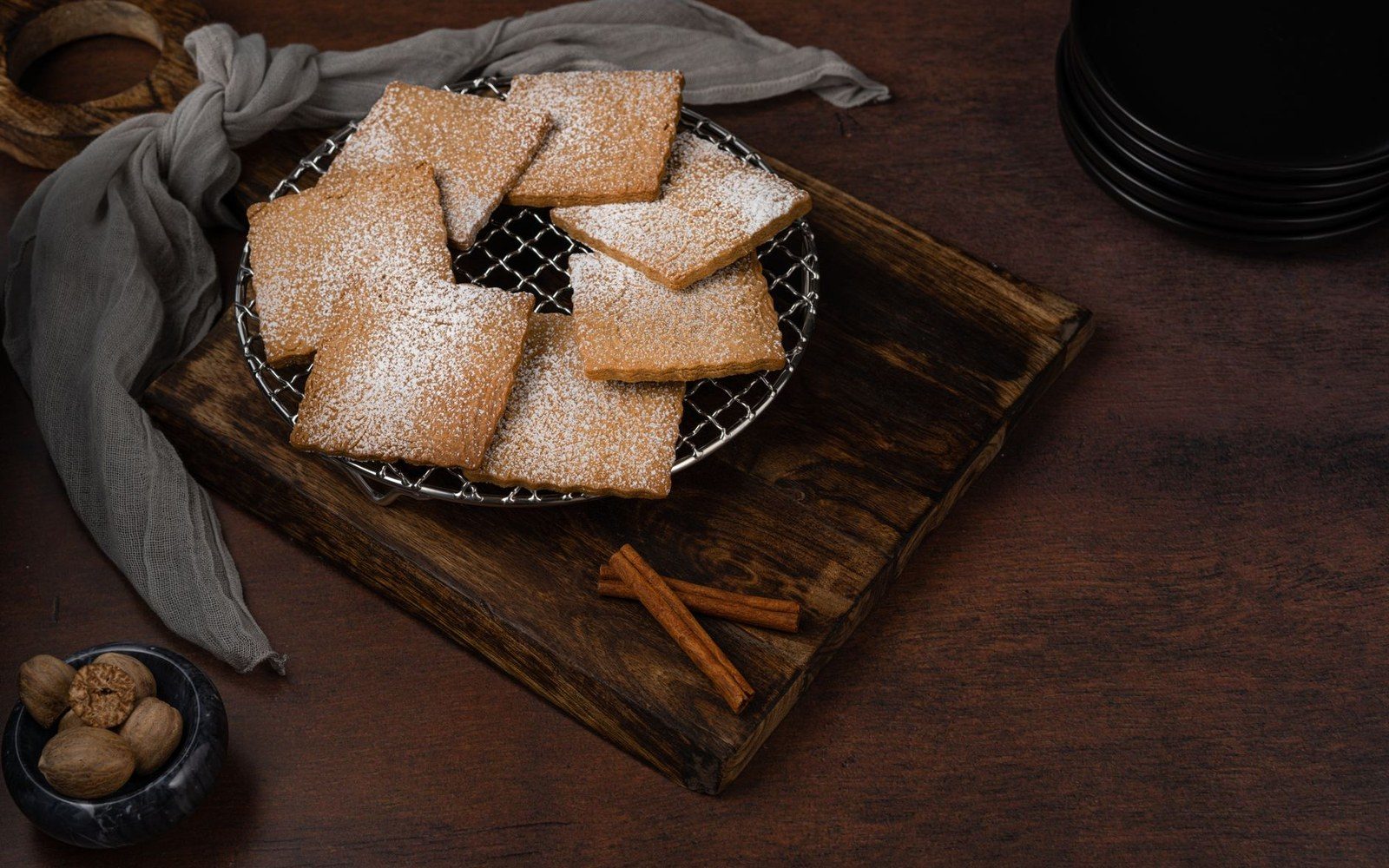
Photo: Skyler Ewing / Pexels
The Dough and Its Origins
The biscochito — an anise-and-cinnamon lard shortbread — arrived in New Mexico with the Spanish colonial supply chain, a descendant of the mantecado and polvorón traditions of Castile and Andalusia. The lard-based dough was practical: rendered pork fat was available long before butter was reliable in the high desert, and it produces a crumb that is simultaneously tender and crisp in a way vegetable shortening never quite matches. The anise seed and cinnamon are unambiguously colonial spices, carried north along the Camino Real de Tierra Adentro with the mission supply trains and eventually folded into the domestic baking repertoire of every village between El Paso del Norte and Santa Fe.
The cookie is not fancy. It is typically cut into fleur-de-lis or animal shapes, baked until the edges take a little color, and finished — in most households — with a dusting of cinnamon sugar. Its appearance at weddings, feast days, and Christmas tables is essentially unbroken from the colonial period forward. That continuity is part of what made it a credible candidate for official recognition.
What the Legislature Actually Did
In 1989, the New Mexico Legislature ↗ passed legislation designating the biscochito as the official state cookie, making New Mexico the first state in the country to legislate a cookie into existence as a state symbol. The measure was not without debate: some legislators objected to the specificity of lard as a mandatory ingredient, reflecting the decade's anxiety about saturated fat. The statute as enacted does not specify a single recipe, but the defining characteristics — anise, cinnamon, lard-enriched shortbread dough — are understood by any New Mexican cook to be non-negotiable.
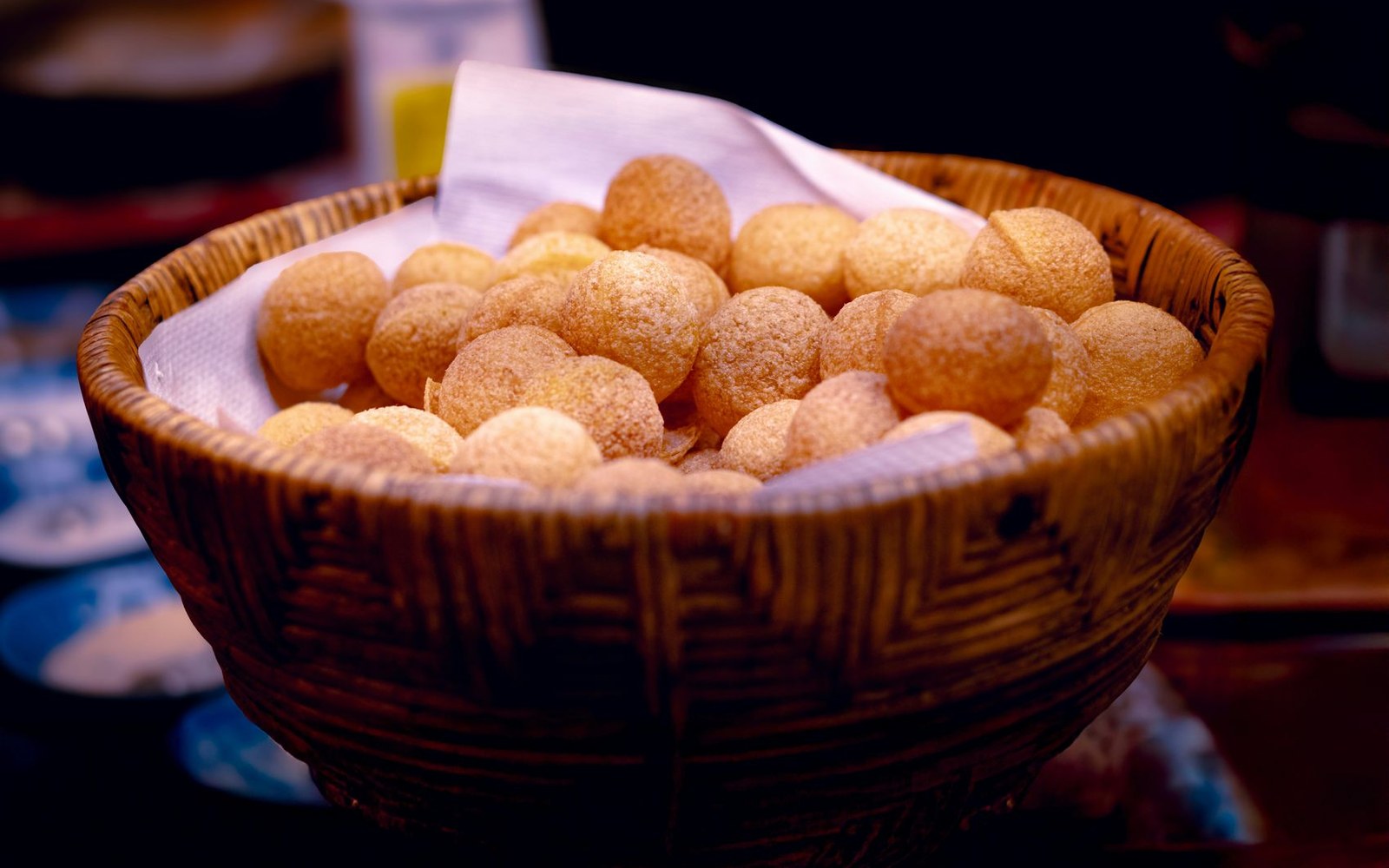
Lard is the shared ingredient across the state's baking, and the reason a biscochito breaks the way it does.
Photo: Litoon dev / Pexels
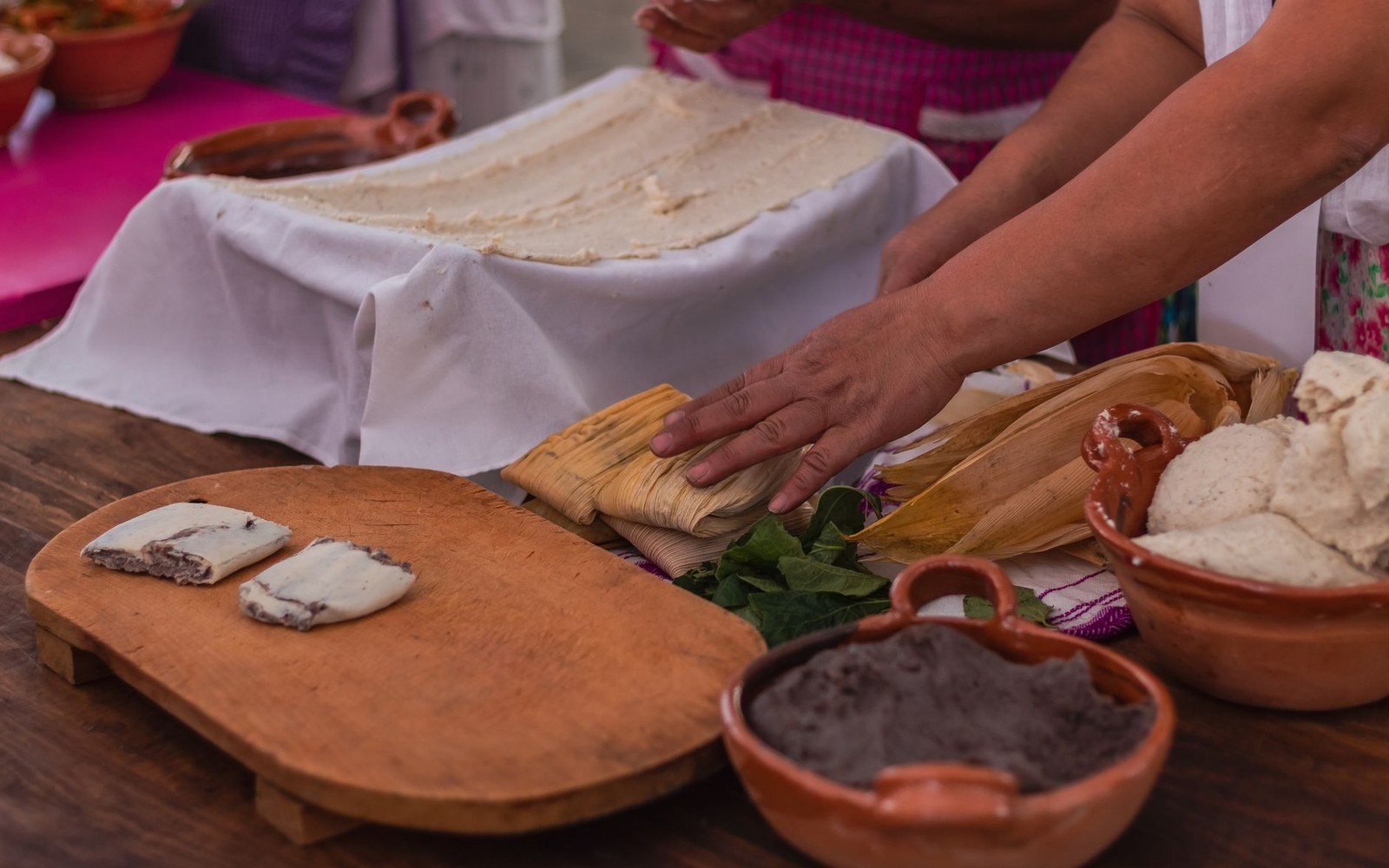
Both are December work, and both get made in quantities that only make sense for a crowd.
Photo: Oscar Damián Jiménez / Pexels
The designation sits in New Mexico Statutes, Chapter 12 ↗, alongside the state bird, the state question, and the other official symbols the legislature has seen fit to codify. It is not a trivial category. Naming a food as an official symbol is an act of cultural recordkeeping — a statement, in statute, that this object carries enough shared identity to represent the place. For a dough that has been made in northern New Mexico kitchens for four centuries, the recognition was overdue.
Also in Dishes