The Frito Pie Is Served in the Bag, and the Bag Is the Argument
The Five & Dime on the Plaza turned a corn-chip bag into a format — and the format became non-negotiable.
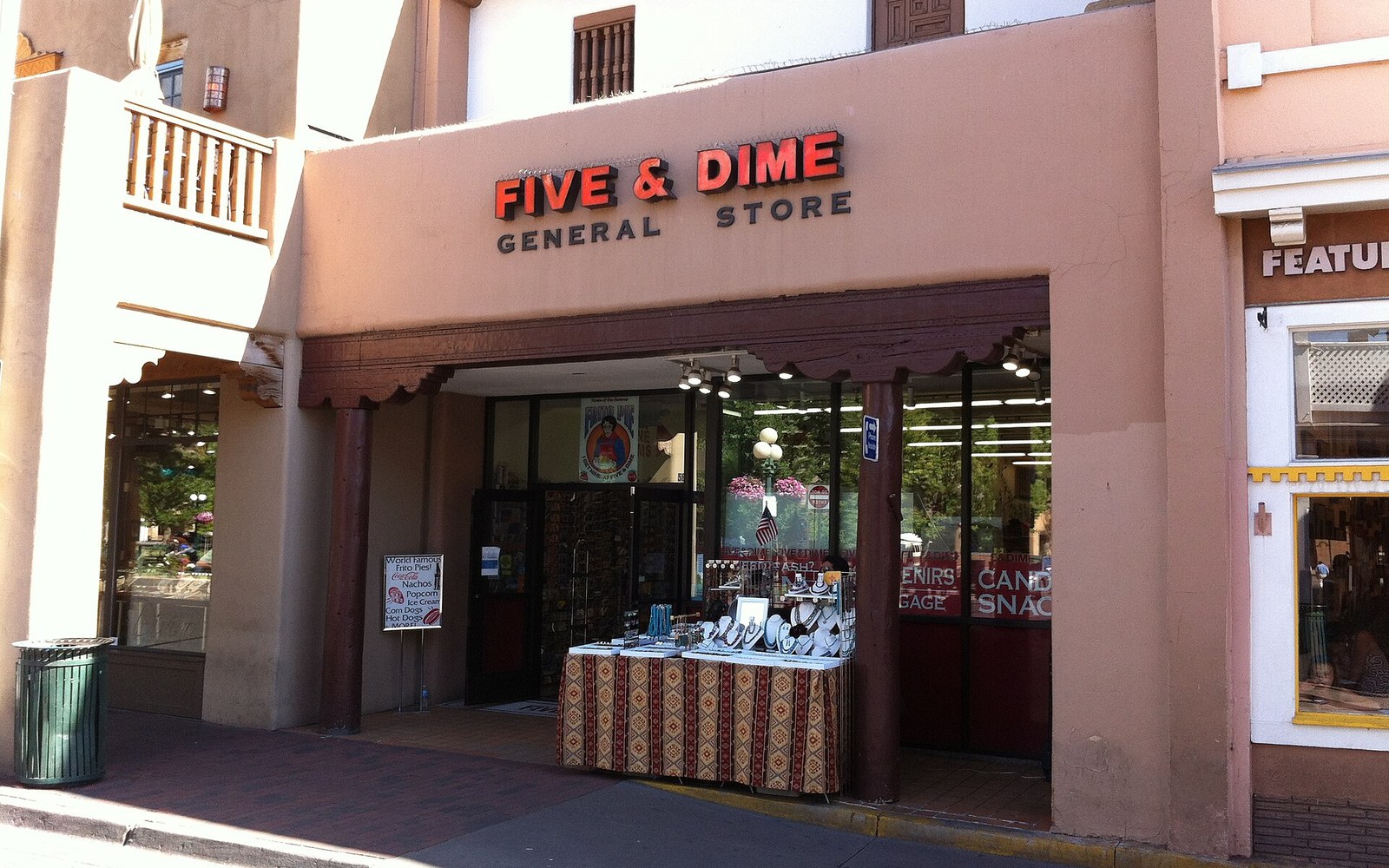
Photo: Wikimedia Commons
The Object, First
A Frito pie is not complicated. Open a small bag of Fritos along one long edge, ladle red chile and beans directly into the bag, add a spoonful of cheese, hand it over. The bag is bowl and table both. At the Five & Dime General Store on the southeast corner of The Plaza, Santa Fe, this is not a casual accommodation — it is the specification. The bag sits upright in your hand. The steam rises. The corn chip softens at the bottom while the top stays crisp. The layering of texture is the dish, and the dish requires the bag.
That insistence is worth examining, because Frito pie is claimed by at least two states and several origin stories, and the claim Santa Fe makes is structural rather than sentimental. It is not that the dish was invented here; it is that the delivery format was perfected here, and in food culture, format is often the thing that matters.
The Competing Claims
Texas holds the more celebrated origin story. Daisy Doolin — mother of Frito Company founder Charles Doolin — is credited in that tradition with devising the dish sometime in the 1930s or 1940s: chile poured over chips in a pan or bowl, a quick lunch from pantry staples. The Frito Company itself promoted variations on the combination for decades, printing recipes on packaging and in promotional material that the Smithsonian's National Museum of American History has documented ↗ in its collection of processed-food ephemera. In that lineage, Frito pie is a Texas recipe that travels.
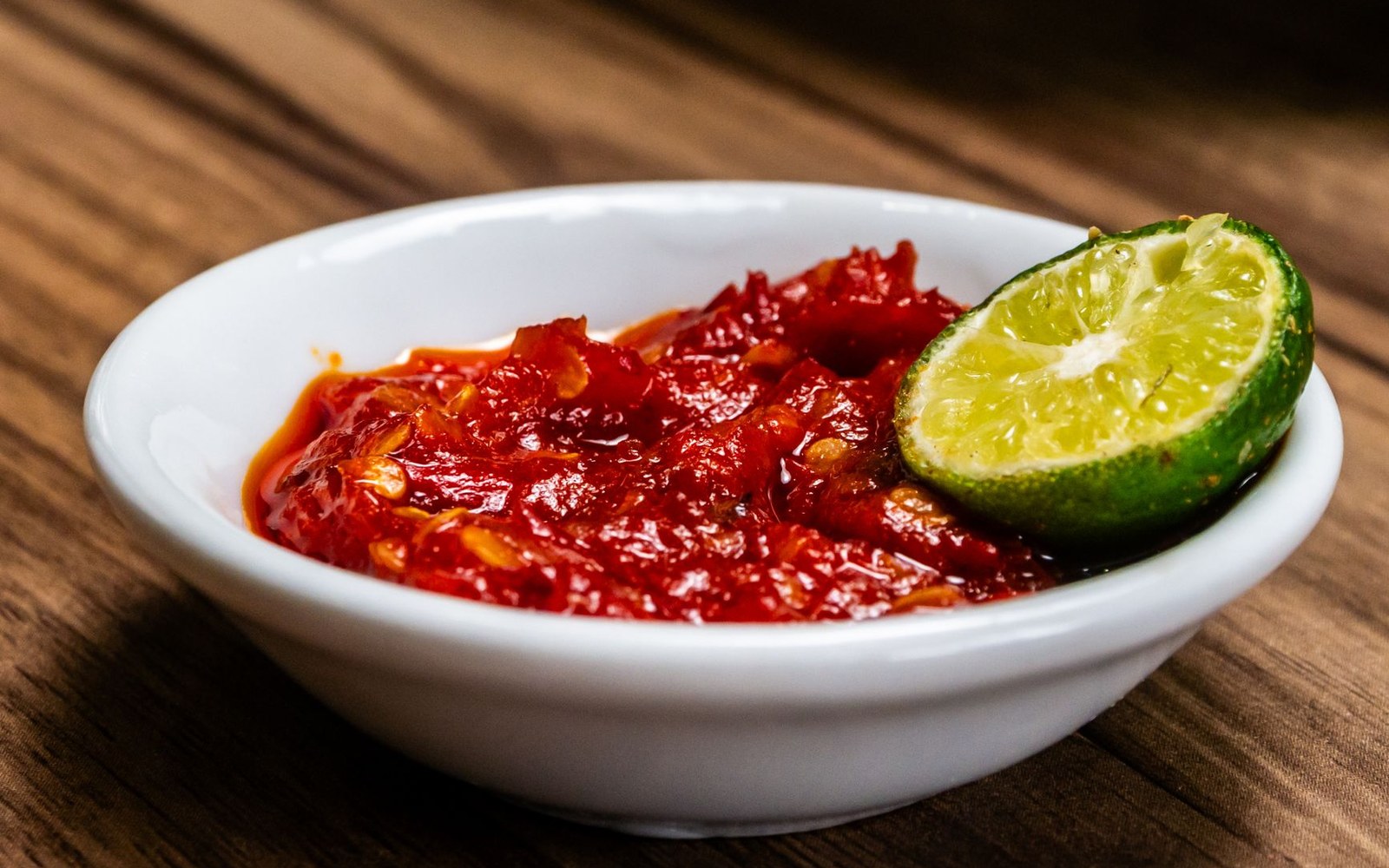
New Mexican red is a dried-pod sauce rather than chili con carne, which is most of what the argument actually turns on.
Photo: Wahyu Prabowo / Pexels
The counter sits on the Plaza, which is how a snack-food dish acquired four centuries of address.
Photo: Wikimedia Commons
The New Mexican counter-argument is not about who poured chile over chips first. It is about the bag. Teresa Hernández, a longtime employee at the Woolworth's lunch counter that once occupied the Five & Dime's space on the Plaza, is the person most consistently credited with establishing the in-the-bag service format in Santa Fe — handing customers something they could eat standing on the sidewalk, one hand free, no plate required. That counter, and later the Five & Dime that succeeded it, made the format so synonymous with the location that the bag version is now what most people mean when they say "New Mexican Frito pie." The distinction is not trivial. A casserole of chips and canned chili in a Pyrex dish is a different object from a split foil bag with green or red chile ladled inside, and different objects are different dishes.
What Makes It New Mexican
In the New Mexican version, the chile is not an afterthought. The red chile here is a dried-pod sauce — ground New Mexico chiles rehydrated and cooked down into something earthy and serious — not canned chili con carne with ground beef and cumin pitched at a national palate. New Mexico's tradition of dried red and green chile as the structural base of cooking shapes this dish as it shapes every other one. Ordering "red or green" applies here. A Frito pie in Santa Fe built on Hatch red chile or Chimayó red is a different register of flavor than its Texas analog, and that difference connects it to centuries of chile cultivation in the Rio Grande corridor rather than to the processed-food industry that named the chip.
The Frito itself is not incidental. The corn chip's composition ↗ — nixtamalised masa extruded and fried — gives it a flavor base that a potato chip or a cracker cannot replicate under hot liquid. The chip holds long enough, softens in a way that binds rather than disintegrates, and contributes its own corn character to the dish. That the bag is also the vessel means the bottom layer steams against foil, creating a slightly different texture than the top — a gradient no plate reproduces.
The Five & Dime sells thousands of them a year to locals and tourists alike, which is not an endorsement but a fact about the durability of format. When a delivery method survives long enough to become the thing itself, the argument about where the dish "really" comes from starts to seem beside the point. What Santa Fe made was not the idea. It was the object.
Also in Dishes