Carne Adovada: What a Long Soak in Red Chile Does
Dried red chile, pork, and enough time — the dish is that simple and that unforgiving.
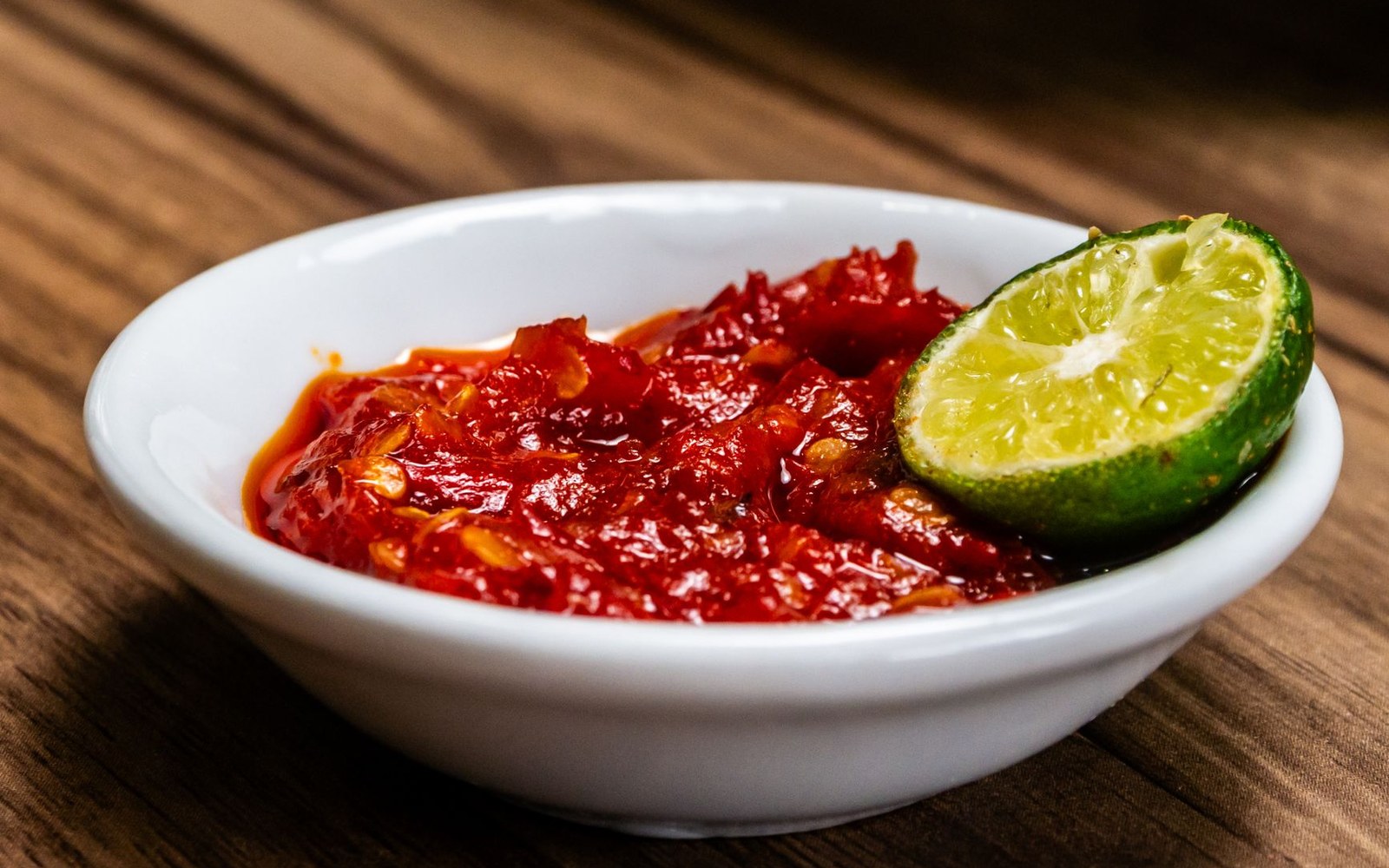
Photo: Wahyu Prabowo / Pexels
What the Process Does to the Meat
Carne adovada is pork marinated in a paste of dried red chile, then slow-cooked until the meat shreds under a fork. The technique — adovada, from the Spanish adobar, to season or preserve — predates refrigeration in New Mexico's river valleys, where dried chiles were a stable pantry staple and pork was the dominant livestock protein introduced by Spanish colonists moving north along the Camino Real de Tierra Adentro. Those two facts explain the dish as neatly as any recipe.
The paste is built from dried red chiles — New Mexico reds, not anchos, not guajillos — that are toasted, rehydrated, and ground with garlic, cumin, sometimes oregano, and enough water or broth to form a thick, brick-colored slurry. The chile's own capsaicin delivers the heat; the drying concentrates the fruit's natural sugars and deepens the color from orange-green to a brownish red. Shoulder is the preferred cut. Its fat content resists the chile's acidity during the long soak, which traditionally runs overnight and ideally longer — twelve to forty-eight hours in the refrigerator, the paste working its way into the grain of the meat.
The cooking is slow and covered: a heavy pot or an earthenware vessel, low oven heat, the pork braising in the marinade until the collagen breaks down and the liquid reduces to a clinging sauce. The finished dish is neither a soup nor a stew but something more concentrated — shreds of yielding pork in a dense, darkened chile sauce with an acidity that registers at the back of the palate. It is served with posole, with rice, or folded into a breakfast burrito, and it appears on nearly every New Mexican menu in the state as a foundational preparation rather than a specialty.
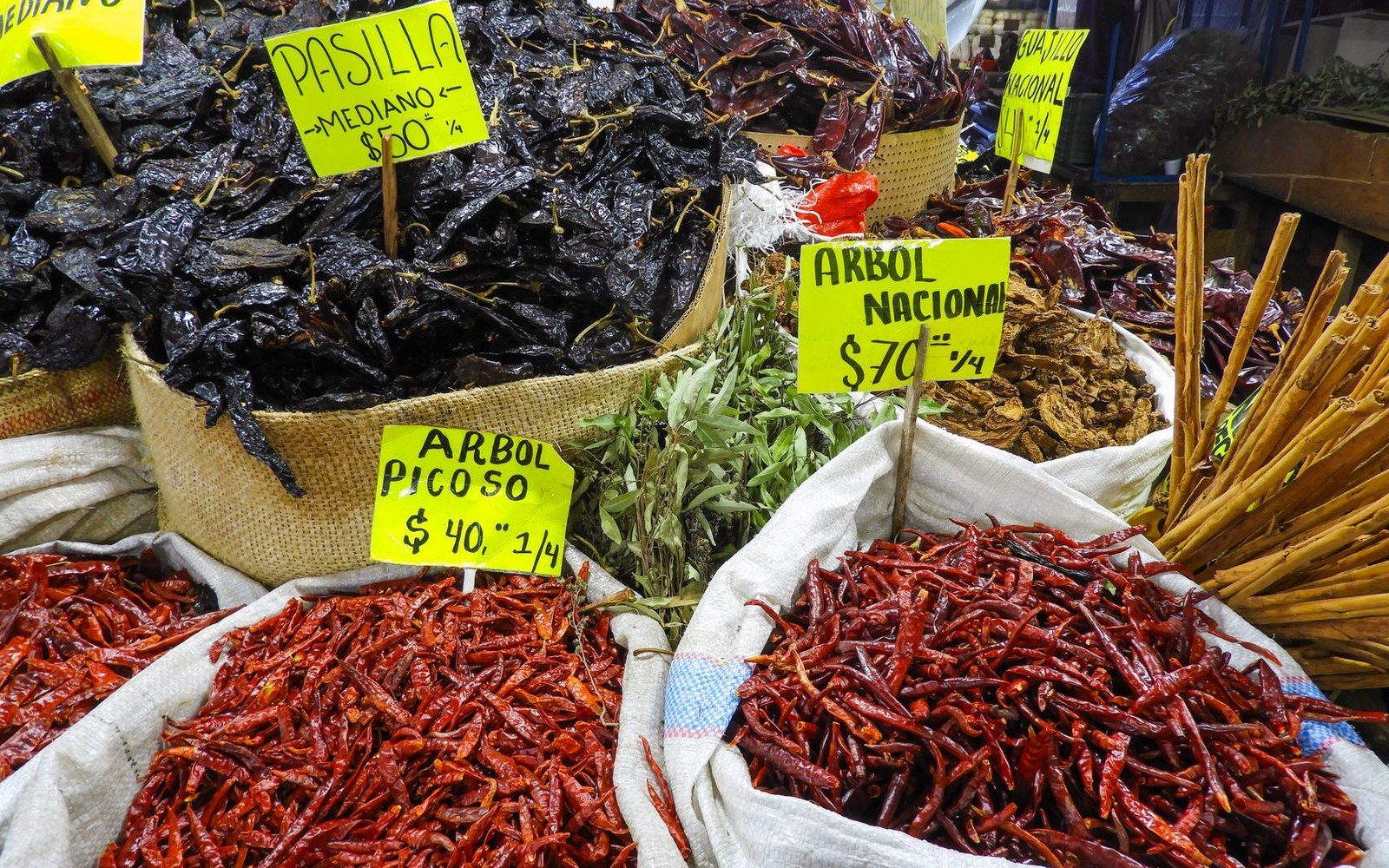
The paste starts here: whole dried pods, stemmed and seeded, rehydrated and ground.
Photo: Ericka Sánchez / Pexels
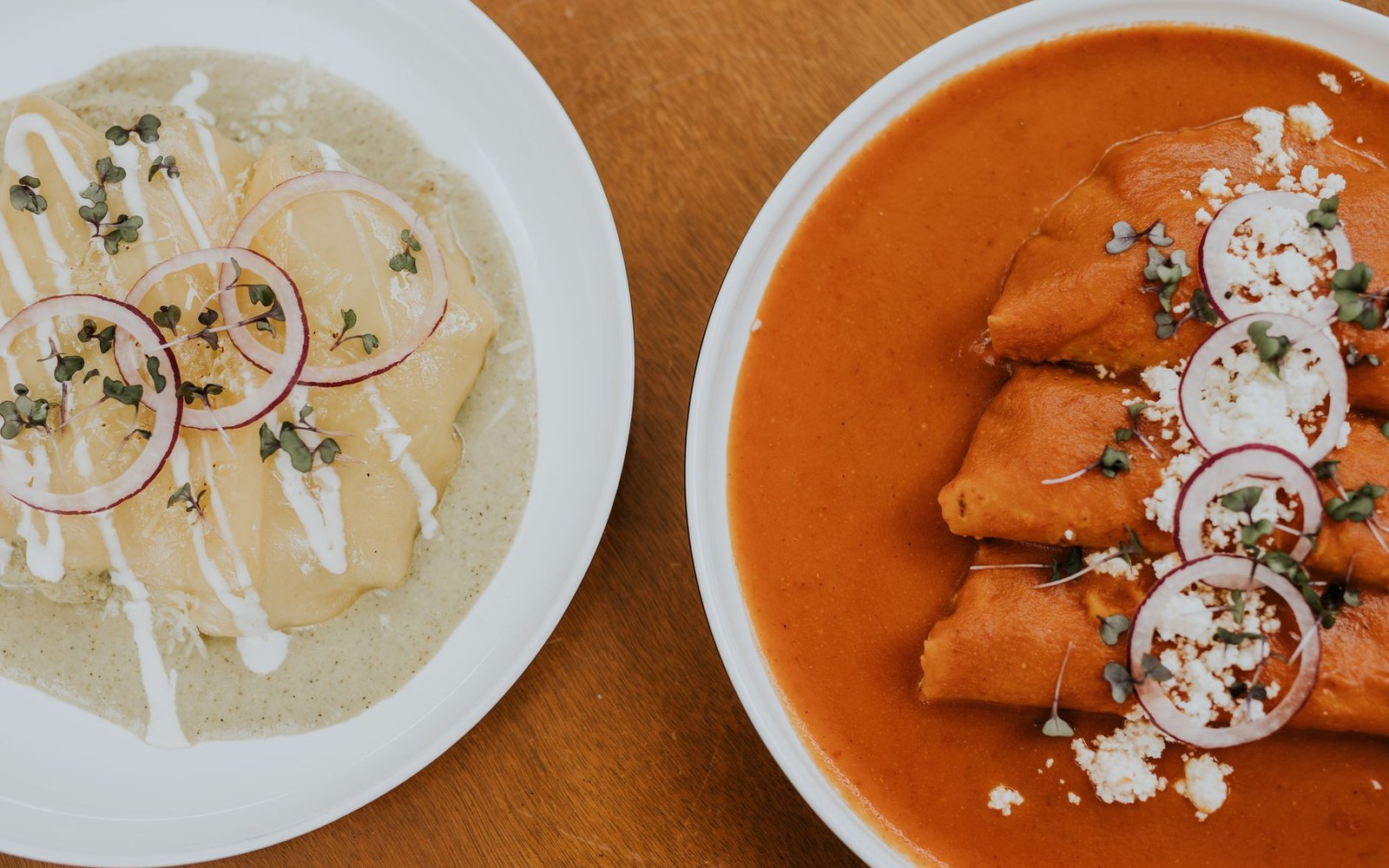
Adovada is a red dish by definition. Asking for it green gets you something else entirely.
Photo: Amar Preciado / Pexels
The dried red chile at its center is not an interchangeable ingredient. New Mexico No. 9, the cultivar Fabián García stabilized at the New Mexico College of Agriculture and Mechanic Arts in 1913, established the flavor profile — moderate heat, earthy sweetness, clean finish — that the state's red chile industry has held to ever since. The USDA's Economic Research Service has documented dried chile pepper production in New Mexico as a distinct and economically significant crop category precisely because the regional cultivars are not transferable by name alone: the pod's chemistry follows the soil and altitude of its growing valley.
That specificity is what gives carne adovada its regional identity. The long soak is technique; the red chile is geography.
Also in Dishes