Posole Is a Corn Dish That People Keep Calling a Soup
The hominy is the point. The broth is infrastructure.
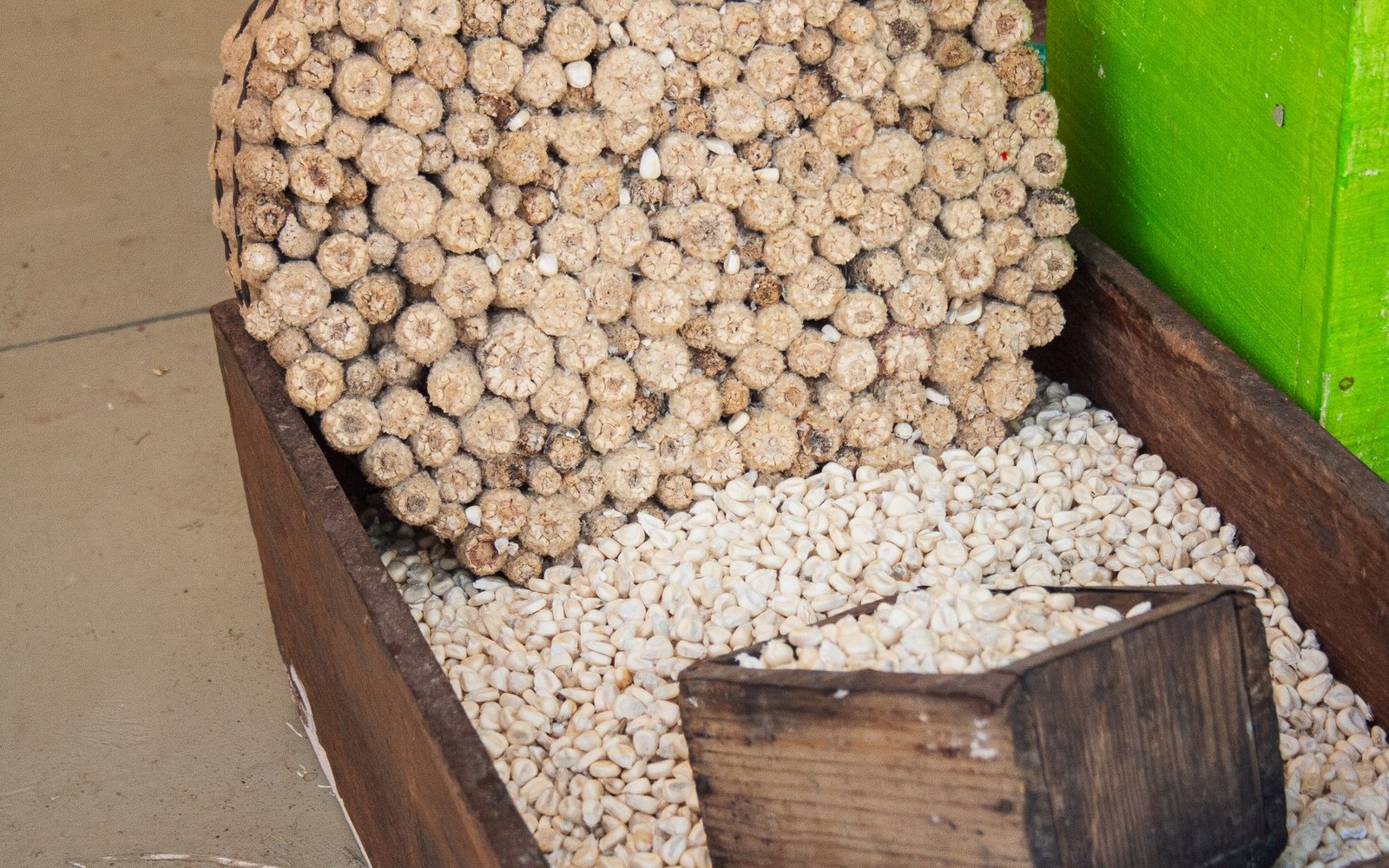
Photo: Noemí Jiménez / Pexels
What You're Actually Eating
Posole begins with dried corn — traditionally a large-kernel variety — transformed through nixtamalisation ↗, the process of soaking and cooking the grain in an alkaline solution of slaked lime. The hull loosens, the kernel blooms into a wide, starchy floret called hominy, and the nutritional profile changes in ways that matter: niacin becomes bioavailable, amino acids shift into better balance. The chemistry is pre-contact, practised across the Pueblo communities of the Rio Grande valley long before any Spanish column moved north along the Camino Real.
What arrives in a bowl is that corn — plump, slightly chewy, carrying a faint mineral taste the lime leaves behind — surrounded by broth, pork, dried red chile, and whatever garnish the cook keeps on hand. Call it a corn dish served in broth, and you've described it correctly. Call it soup and you've made the broth the subject and the hominy an afterthought, which inverts the whole logic of the thing.
The distinction is not pedantry. In the Mexican and New Mexican traditions that developed around posole, the dish is often listed among the soups, but in substance it belongs with stews and braises ↗. The ratio of solid to liquid, the weight of the grain, the length of cooking time — all point toward something closer to a ragout than a consommé. The hominy is cooked for hours before the liquid even becomes broth in any meaningful sense; it gelatinises, releases starch, thickens what surrounds it. The pot finishes thick, not thin.
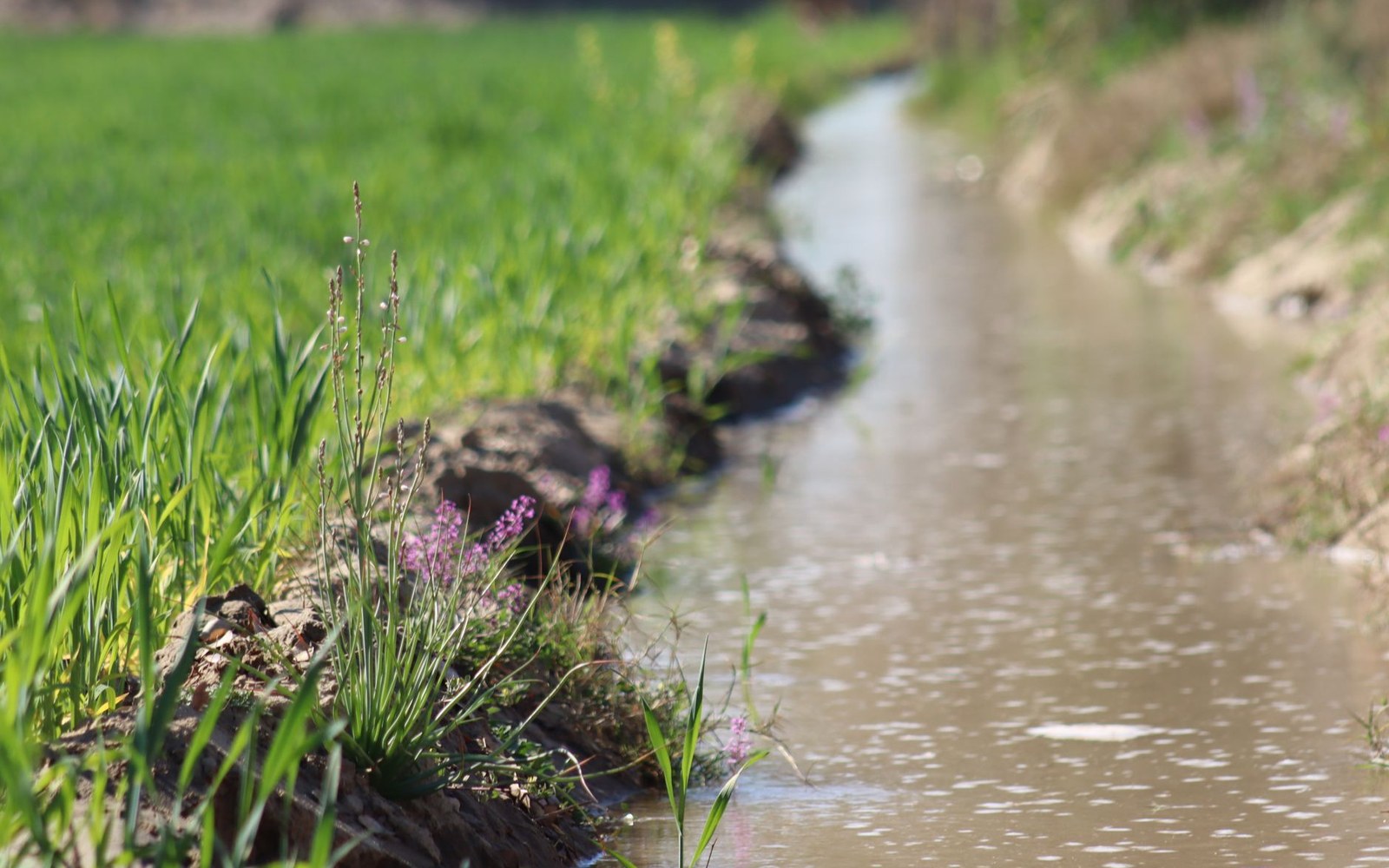
Corn came first and came from here. The broth is a later argument.
Photo: Dr Photographer / Pexels
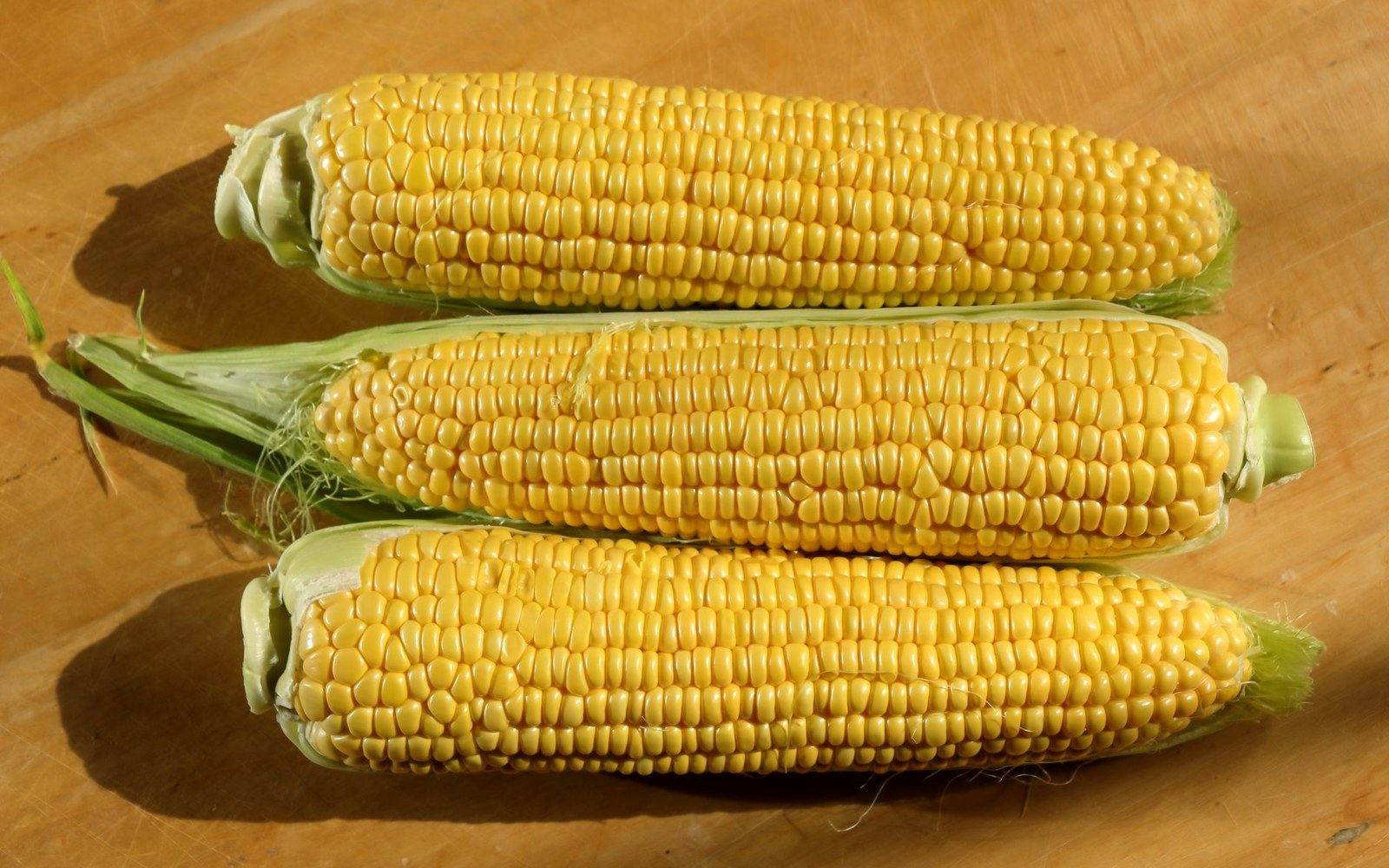
The same nixtamalised corn, ground instead of left whole.
Photo: Mustafa Akın / Pexels
In New Mexico, posole is a Christmas dish with particular gravity. Red chile is the seasoning of preference in the northern villages; pork — specifically, cuts with enough collagen to enrich a long braise — is the standard protein. Tesuque Pueblo and other Rio Grande communities document posole as a ceremonial food well before the Spanish colonial period gave the dish its current Spanish name. The word itself derives from the Nahuatl pozolli, referring to the foamy, bloomed kernel.
Tomasita's on Guadalupe Street has carried posole on its menu as a side dish for decades, which is the most honest classification of all: a starch, served alongside, the way a serious grain ought to be presented. The soup question dissolves the moment you try to eat posole as if broth were the point. It isn't. The broth is how the corn gets to the table warm.
Also in Dishes