The Whole Town Smells Like It for a Month
In September, a propane roaster set up in a parking lot is not a curiosity — it is infrastructure.
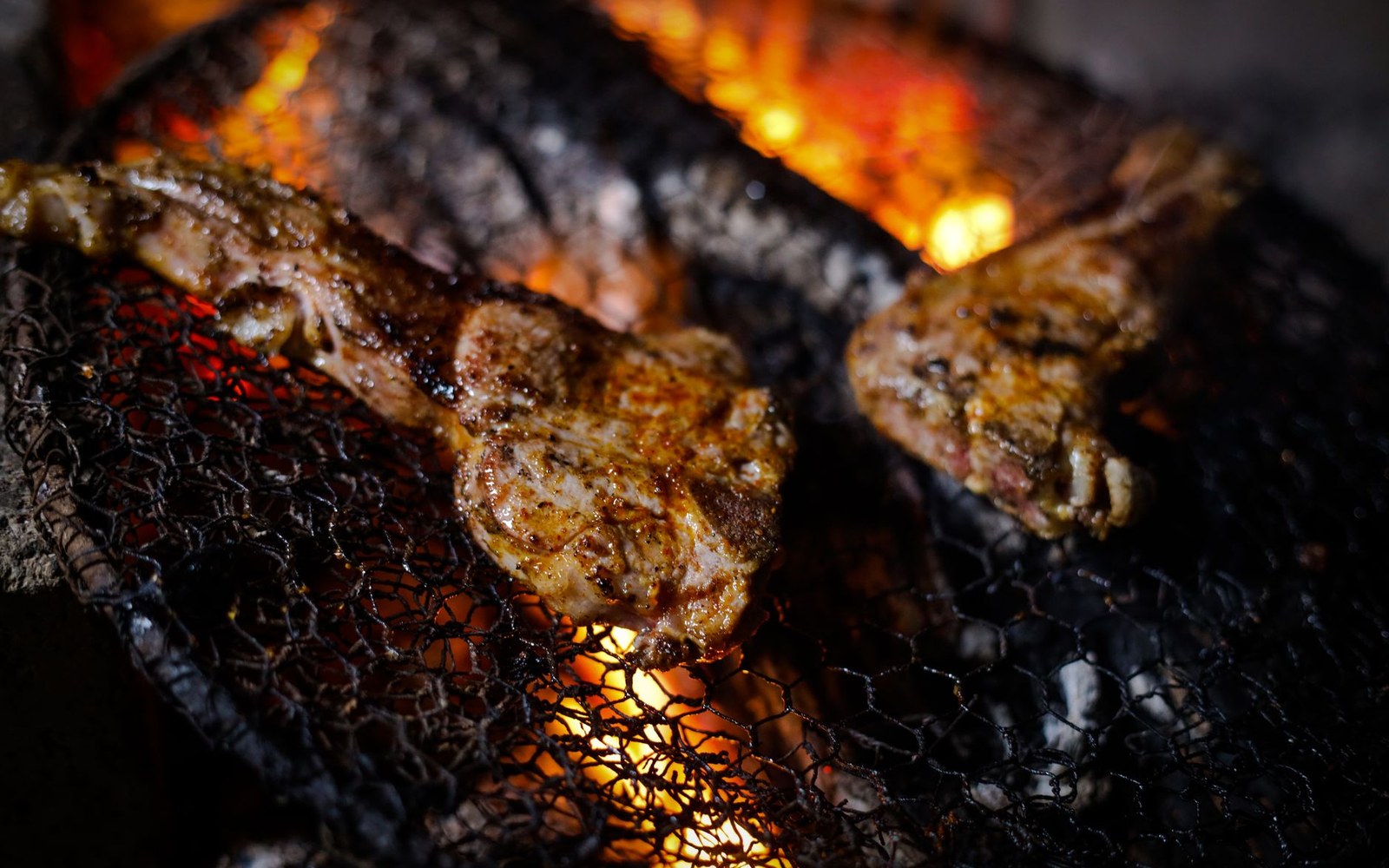
Photo: Thomas Chauke. / Pexels
The Drum and the Fire
The wire-mesh drum is about the size of a small barrel, mounted on a frame over a propane burner, turned by a handle or a small motor. Bushel bags of fresh Hatch or Chimayó-area green chiles go in whole; the drum rotates slowly so every pod rolls through the flame repeatedly. The heat climbs fast — surface temperatures exceed what a home oven can produce — and the skin blisters in thin, dark patches within minutes. What looks like burning is the point.
The chemistry is two things happening at once. Where the pod contacts intense heat, Maillard reactions — the same browning process that builds crust on bread — produce volatile aromatic compounds that announce themselves from a hundred yards. Beneath the char, the flesh steams in its own moisture, softening and sweetening as complex carbohydrates break down. The blistered skin, now structurally compromised, peels away cleanly once the pods are bagged and allowed to steam against each other for ten or fifteen minutes. What remains is a soft, smoke-edged chile that is genuinely different from anything achieved by broiling: the contact with open flame produces char compounds ↗ that a radiant element cannot replicate.
A good roaster pulls the drum at the right moment — when coverage is even and no pod has gone past blistered to carbonized. The window is narrow. Chile left too long loses structural integrity; pulled too soon, the skin clings and the aromatics haven't fully developed. Operators who have done this for years read color and sound as much as timing.
September, Specifically
New Mexico's green chile harvest runs roughly from late July into October, but the peak of the Hatch Valley crop — documented by New Mexico State University's agricultural extension service as concentrating in August and September — lands in September with the density that makes roasting economically viable at scale. Volume matters: the roasting operation only makes sense when the pods are cheap, abundant, and at peak wall-thickness. Thin-walled late-season fruit doesn't hold up to the drum.
The equipment arrives in supermarket and farm-stand parking lots, outside grocery co-ops, and along the shoulders of state routes. The transaction is direct: a customer orders by the pound or by the bag, watches the drum turn, and drives home with a garbage bag full of hot, steaming pods. The smell travels. It saturates hair and upholstery without apology.
The economics on the buyer's side are the economics of the chest freezer. A family that processes twenty or thirty pounds in September — peeling, seeding, portioning into zip-lock bags, stacking them flat — is buying chile for the year at harvest-season prices. Frozen roasted green chile holds its flavor for months. Every subsequent posole, carne adovada, breakfast burrito, and green chile cheeseburger made between October and the following August draws on that September investment. The freezer is not a convenience; it is the pantry.
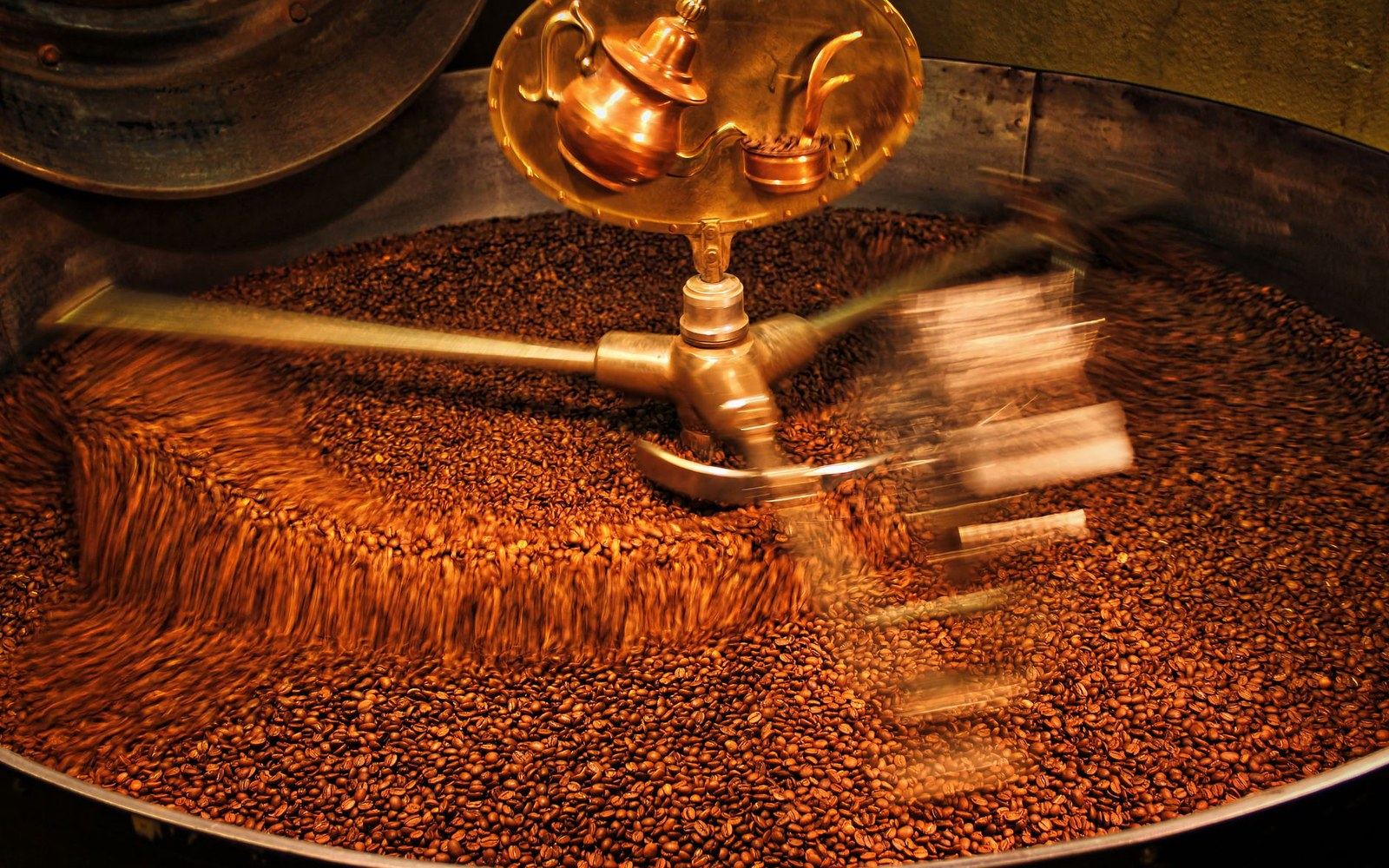
One operator, one drum, one sack at a time. The queue is the bottleneck, not the flame.
Photo: E. Presso / Pexels
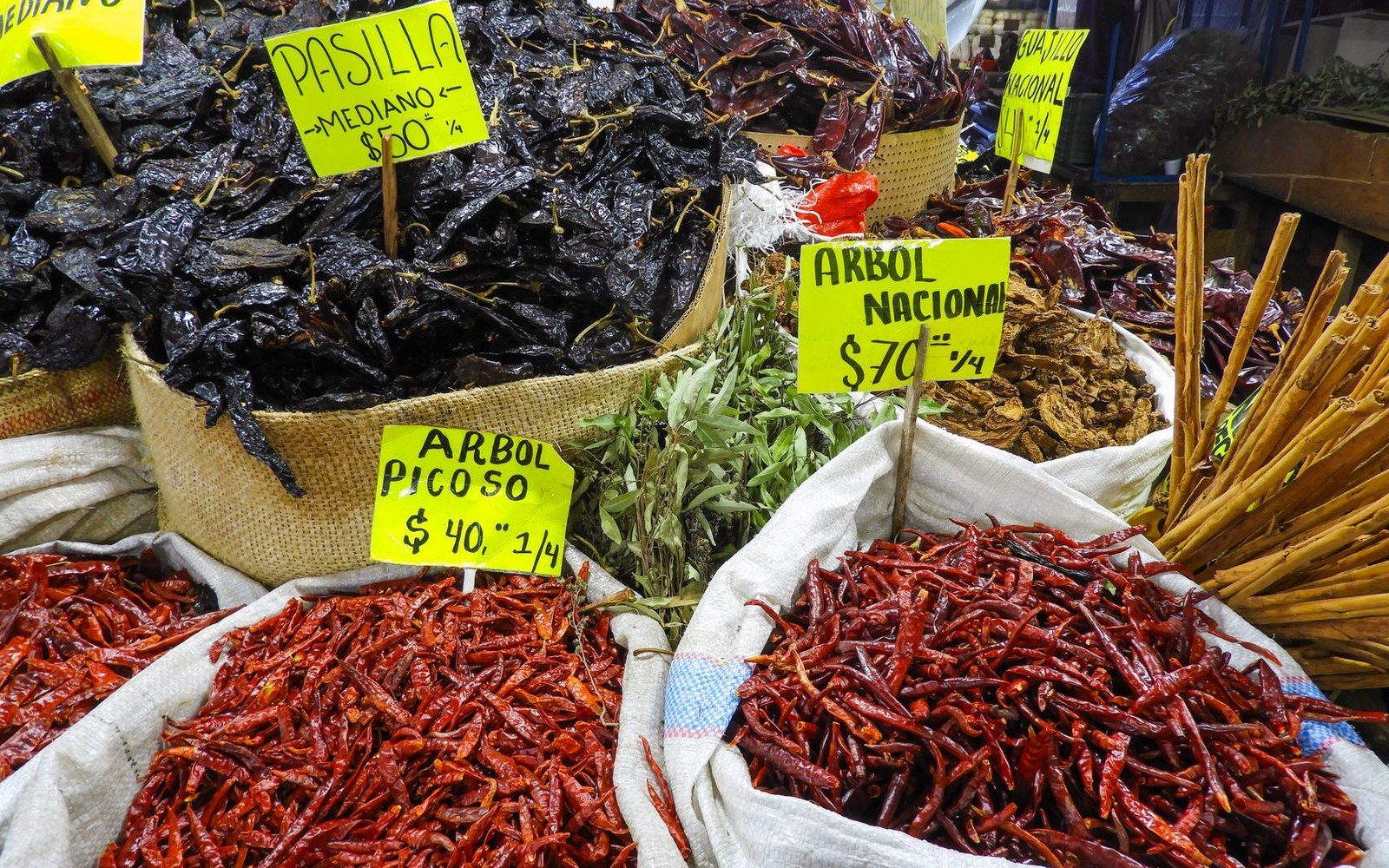
The alternative to roasting: leave the pod on the plant, let it turn, and dry it instead.
Photo: Ericka Sánchez / Pexels
What the Month Does to the Town
Santa Fe's September is inflected by the roaster in ways that are not metaphorical. The smoke is present on the air across the Railyard District, near the Santa Fe Farmers' Market, and along Cerrillos Road simultaneously. Longtime residents navigate this by smell as much as by street knowledge — a working roaster is detectable from several blocks.
This is a practice with deep local logic. The Pueblo peoples of the Rio Grande valley have preserved and stored dried and processed chile for centuries. The propane drum is recent; the underlying impulse to capture the harvest before the frost is not. What has changed is the scale of participation: roasting is now a broadly shared civic ritual, cutting across the lines of the city's layered population in a way that few food practices do. For one month, the transaction in a parking lot — money, bag, smoke, drum — is the most democratic thing happening in Santa Fe.
Also in Chile