Section 3 of 5
Ground
The named places that decided how the city eats — a plaza that has been a market since 1610, a road that was a Pueblo trail first, a valley with its own chile.
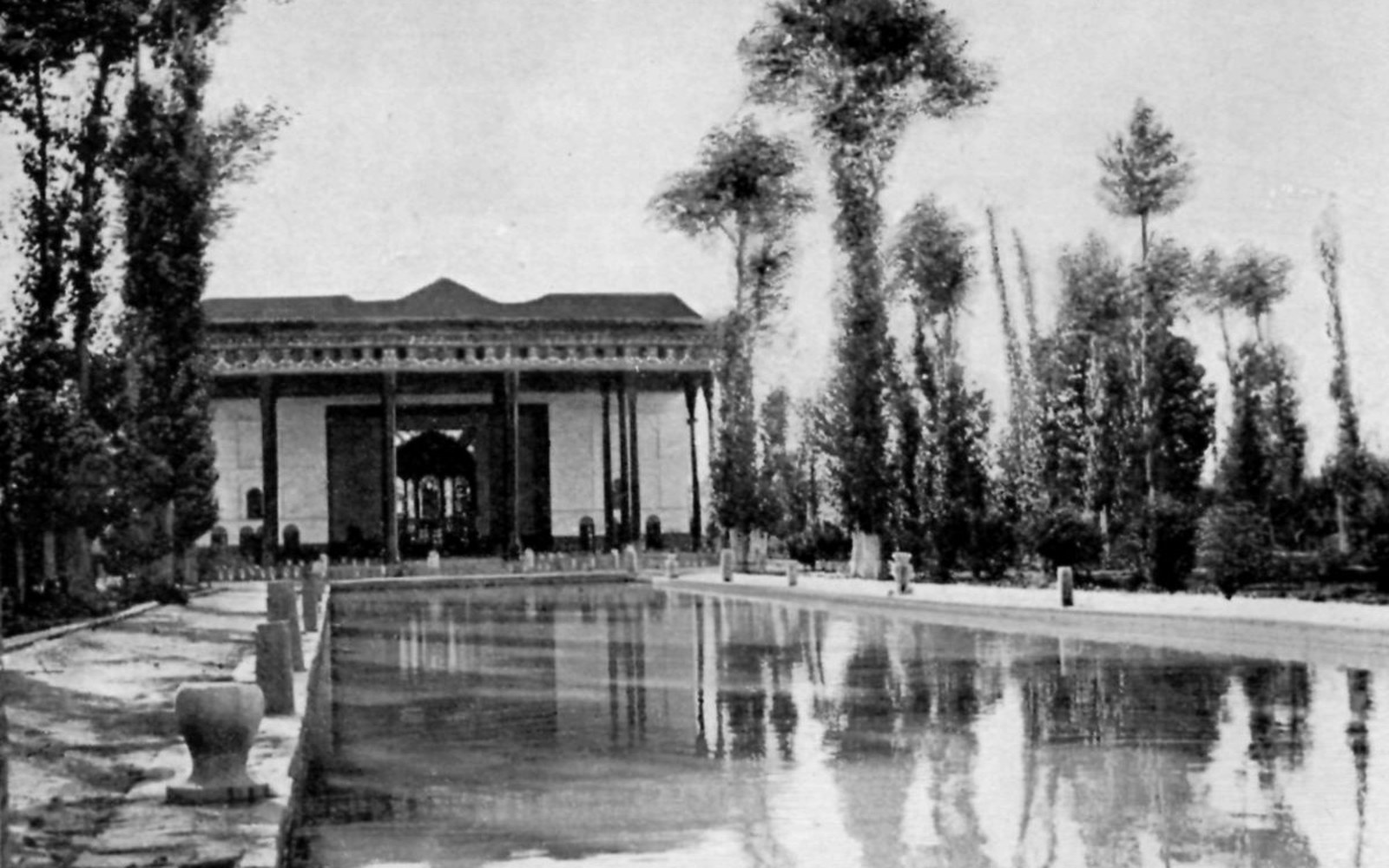
Start here. The Palace of the Governors portal and the vendors who have occupied it — from the Spanish colonial period through the Pueblo vendors programme documented by the Palace — as a continuous site of food and goods exchange since 1610.
Photo: Wikimedia Commons
The Plaza Has Been the Market for Four Centuries
The Palace of the Governors portal and the vendors who have occupied it — from the Spanish colonial period through the Pueblo vendors programme documented by the Palace — as a continuous site of food and goods exchange since 1610. A historical walk-through of a single named place.
4 pages in Ground. The complete roster of the site is on the archive.
Everything in Ground
-
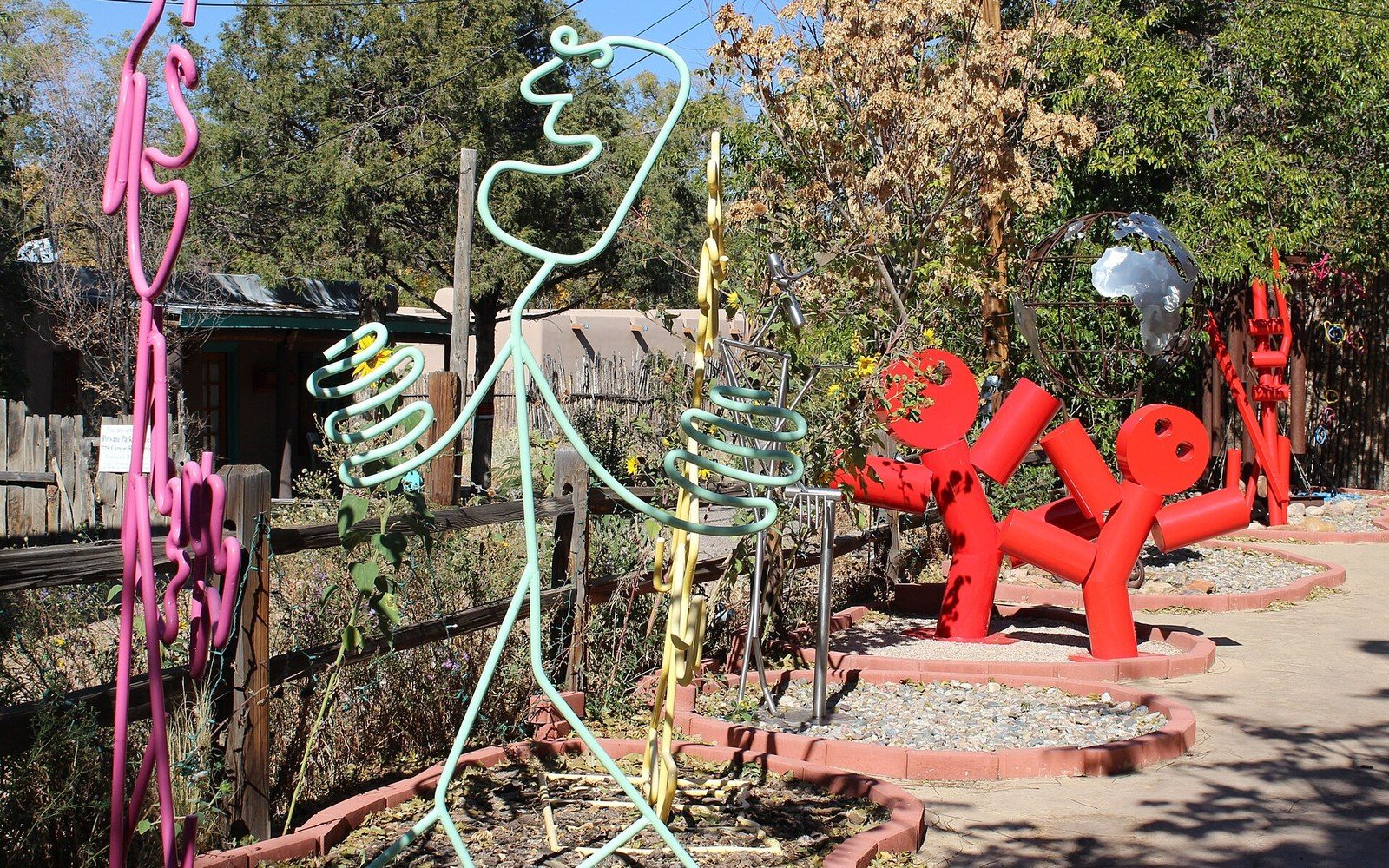
Photo: Wikimedia Commons Read →Canyon Road Was a Pueblo Trail Before It Was a Gallery Street
The pre-contact Pueblo use of the Canyon Road corridor, its function as an acequia and agricultural access route through the Spanish colonial period, and what changed when the art market arrived in the twentieth century. A place history that ends before tourism begins.
-
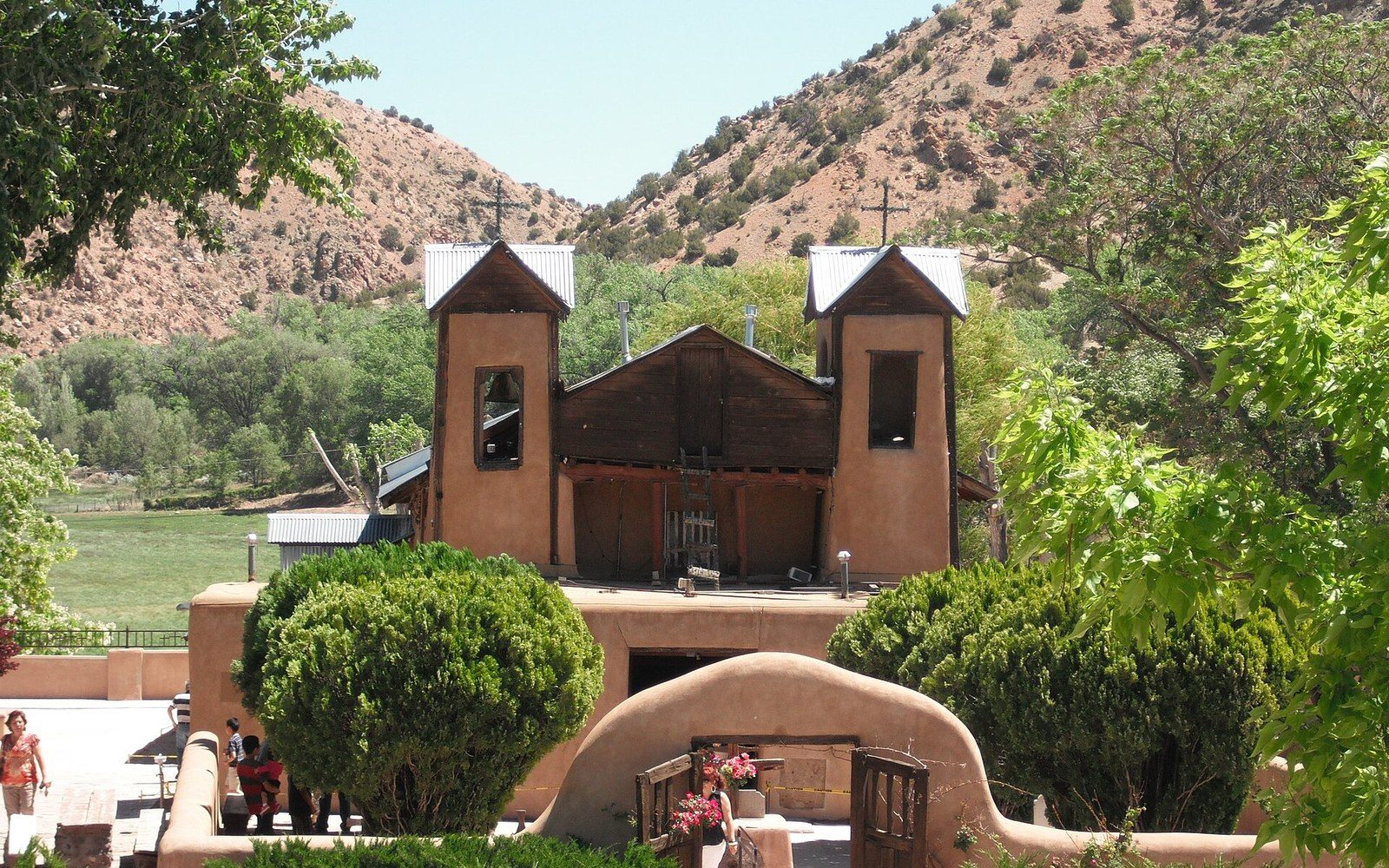
Photo: Wikimedia Commons Read →The Santuario and the Fields Around It
The Santuario de Chimayó (completed 1816) as an anchor for the agricultural valley around it — the chile plots, the acequia network and the Tewa-speaking community that farmed this land before and after the Spanish colonial mission. The piece covers the land and its history, not the interior or any ceremony.
-
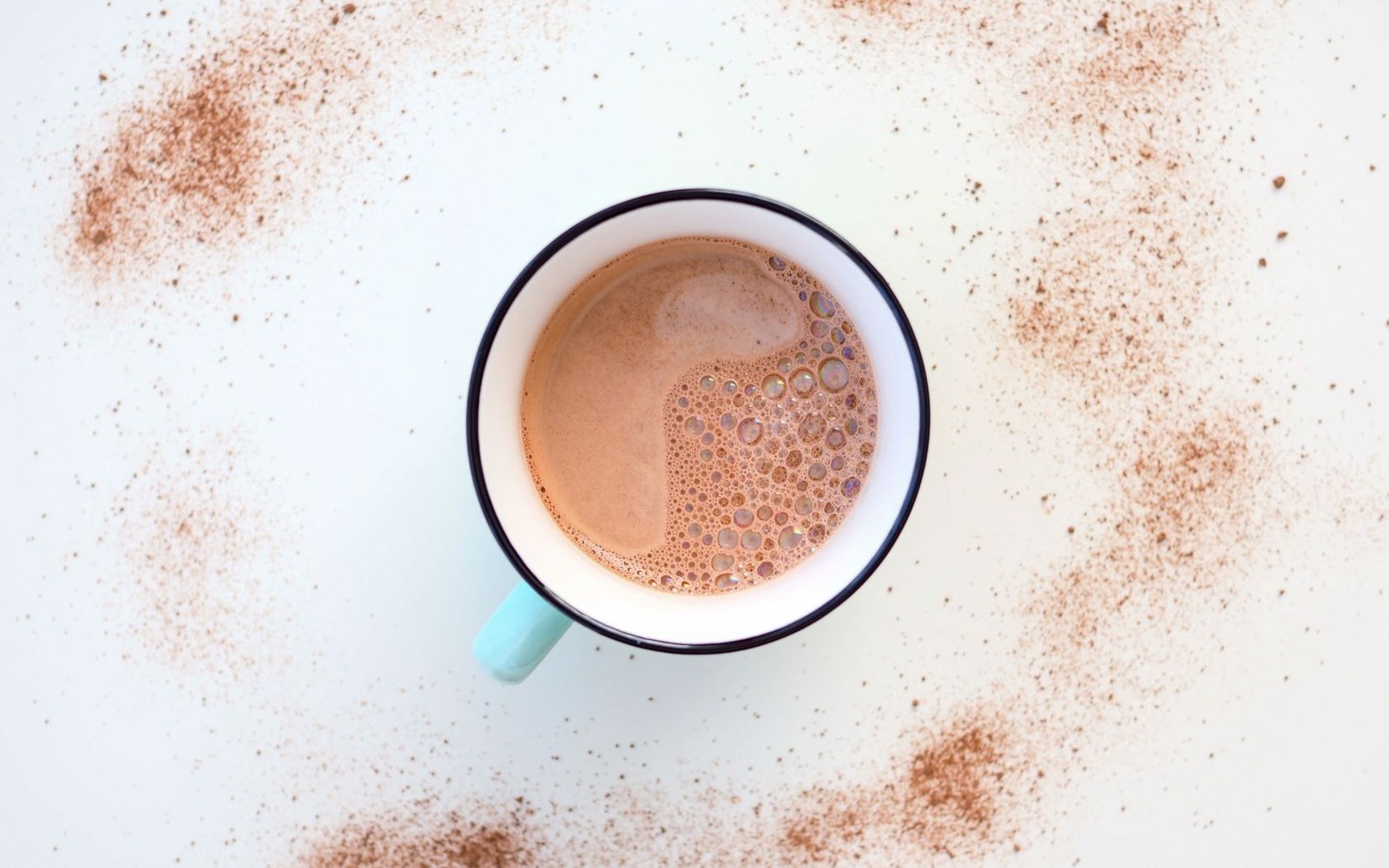
Photo: Mateusz Feliksik / Pexels Read →Kakawa and the Case for Historic Drinking Chocolate
Kakawa Chocolate House in Santa Fe and its project of recreating documented Mesoamerican and colonial drinking-chocolate formulations — what the historical sources are, what the recipes differ from modern hot chocolate, and why the project is a food-history argument. A piece about a named place and its stated premise.