Kakawa and the Case for Historic Drinking Chocolate
A shop on East Palace Avenue is making a food-history argument, one small ceramic cup at a time.
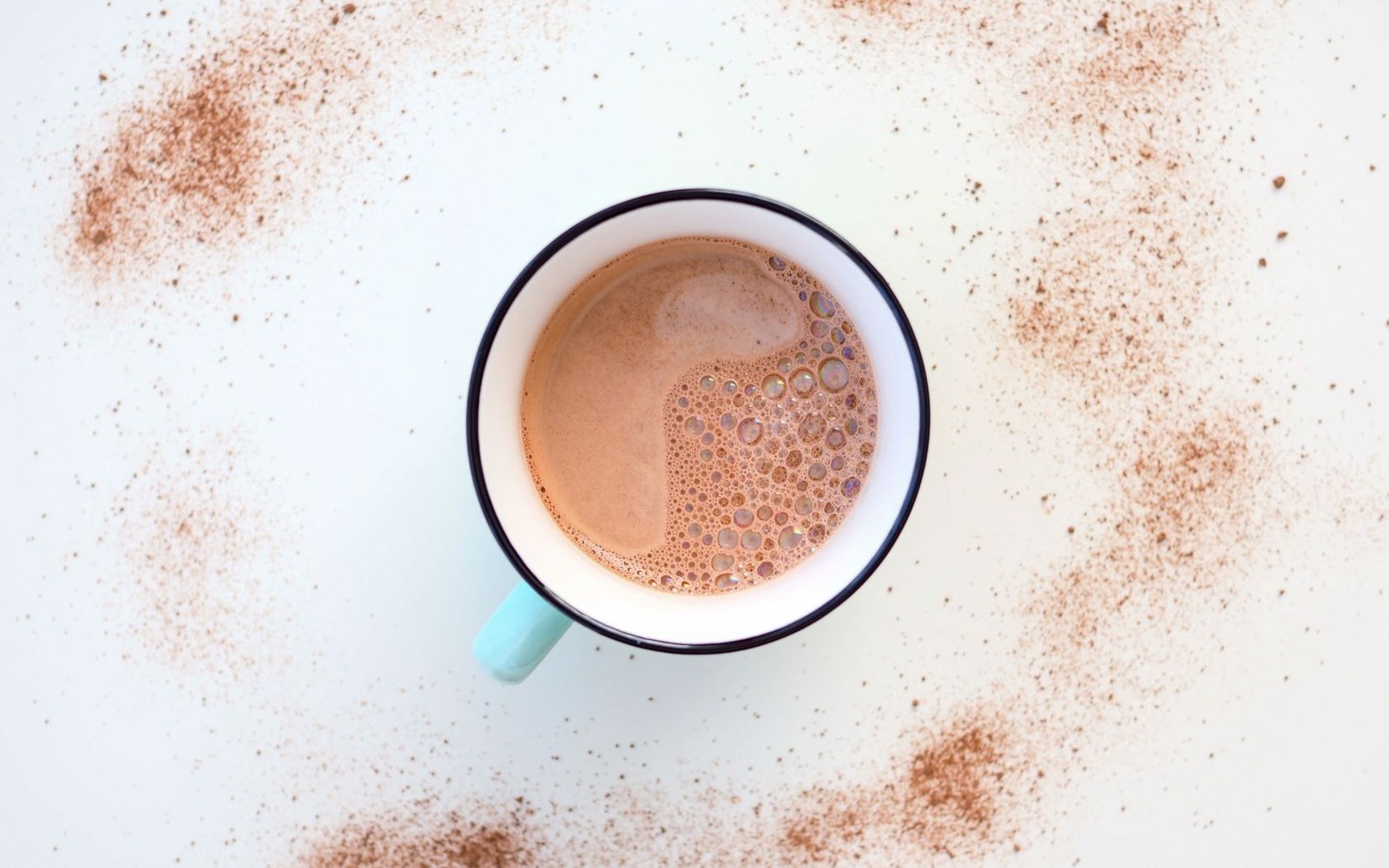
Photo: Mateusz Feliksik / Pexels
The Premise in a Cup
Kakawa Chocolate House in Santa Fe does not serve hot chocolate in the modern sense. Its elixirs — the house word for its drinking chocolates — are reconstructions of documented historical formulations, drawn from Mesoamerican codices, Spanish colonial manuscripts, and eighteenth- and nineteenth-century European court records. The earliest recipes predate refined sugar, dairy milk, and the Dutch-process alkalisation that gave modern hot cocoa its mellow profile. They are built instead on water, ground cacao, and a rotating cast of additions: dried chile, achiote, vanilla, honey, and in some cases ground maize — the masa that also anchors atole and its chocolate variant champurrado.
The distinction matters. Cacao arrived in Mesoamerican ritual and culinary practice as a cold or room-temperature liquid, often frothy, often bitter, and frequently combined with ingredients that contemporary palates read as savoury. The Camino Real de Tierra Adentro carried cacao north into New Mexico's colonial kitchen, where Spanish and later Mexican adaptations introduced cinnamon, black pepper, and eventually sugar — layering a European baroque register onto what had been an Indigenous one. Kakawa's menu tracks that evolution, separating the pre-contact Aztec and Maya formulations from the colonial Spanish, the colonial Mexican, and the nineteenth-century European court variants, so the progression is legible as history rather than flavour preference.
The historical sources the house works from are real and checkable. The Florentine Codex ↗, Fray Bernardino de Sahagún's mid-sixteenth-century ethnographic record compiled in New Spain, documents cacao preparations among the Nahua in enough detail to anchor a reconstruction. Colonial-era chocolate manuals — some held in European archives — supply the Spanish and European variants. No single elixir is presented as definitive; the recipes acknowledge that historical reconstruction is always partial.
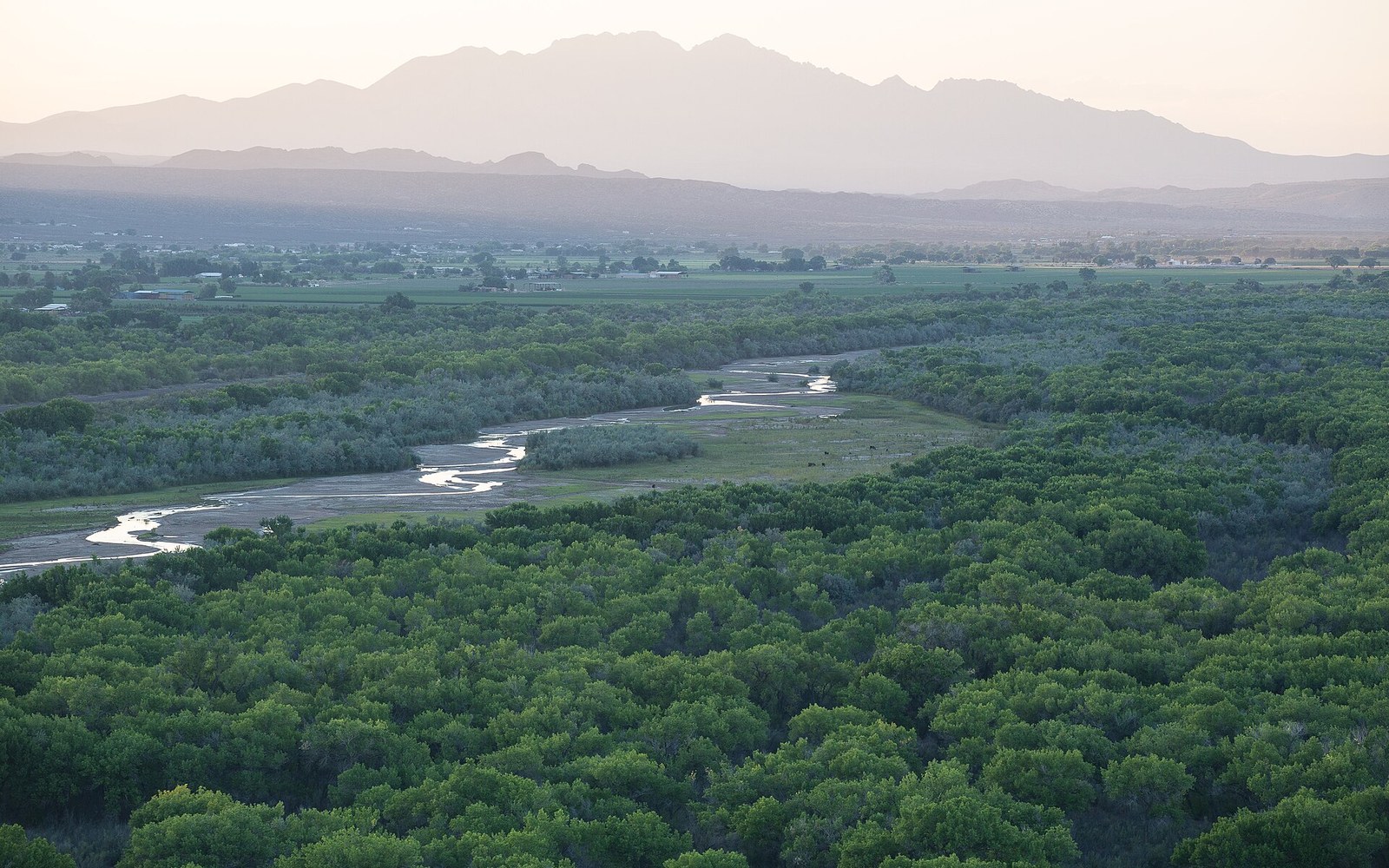
Chocolate came up the same road as the pork and the wheat, and in the same wagons.
Photo: Wikimedia Commons
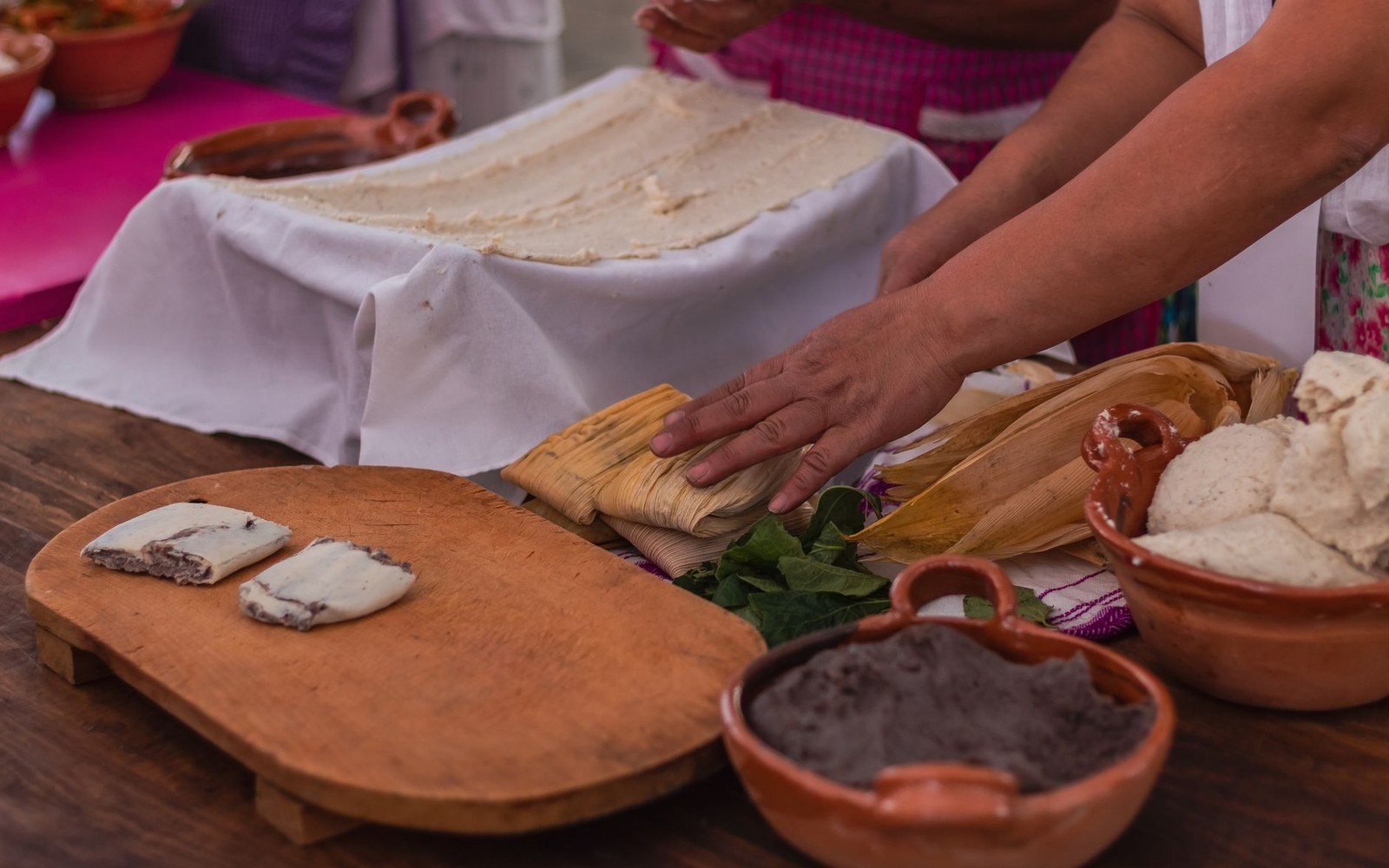
The colonial formulations assume a kitchen already working in masa and lard.
Photo: Oscar Damián Jiménez / Pexels
What makes the project legible as a food-history argument rather than themed novelty is the discipline of the separation: each cup is placed in time, given a source tradition, and allowed to taste like itself. Bitterness, astringency, and heat are not corrected toward modern expectation. That restraint is the argument.
Also in Ground