Section 2 of 5
Dishes
A dish here is a rule about how something is assembled. The arguments are about form rather than flavour: flat or rolled, in the bag or on the plate, red or green.
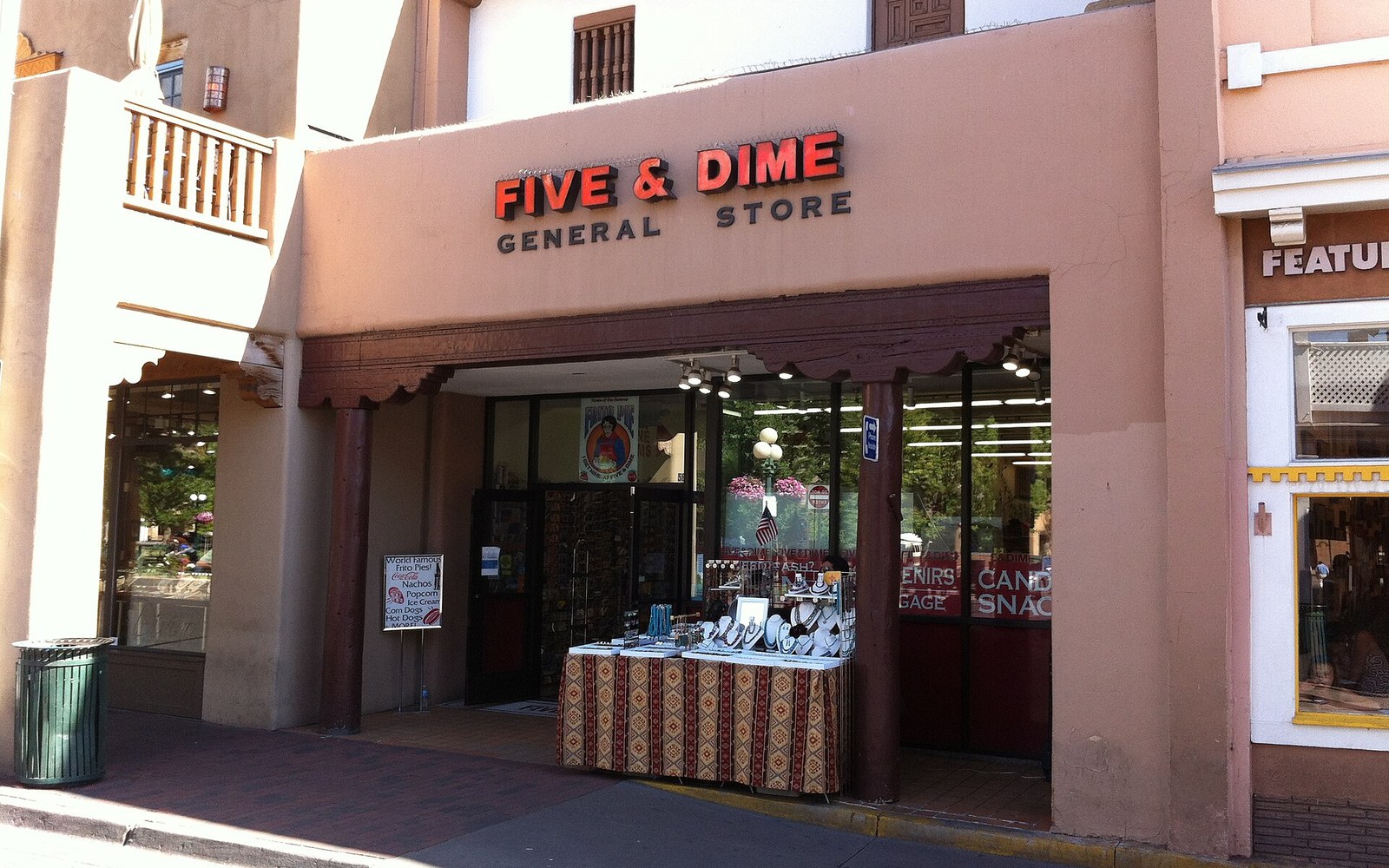
Start here. The Five & Dime on the Plaza and the specific New Mexican form of Frito pie — eaten from the split corn-chip bag, not a bowl — as a case study in how a delivery format becomes the dish.
Photo: Wikimedia Commons
The Frito Pie Is Served in the Bag, and the Bag Is the Argument
The Five & Dime on the Plaza and the specific New Mexican form of Frito pie — eaten from the split corn-chip bag, not a bowl — as a case study in how a delivery format becomes the dish. The piece examines competing origin claims and settles on the documented record.
9 pages in Dishes. The complete roster of the site is on the archive.
Everything in Dishes
-
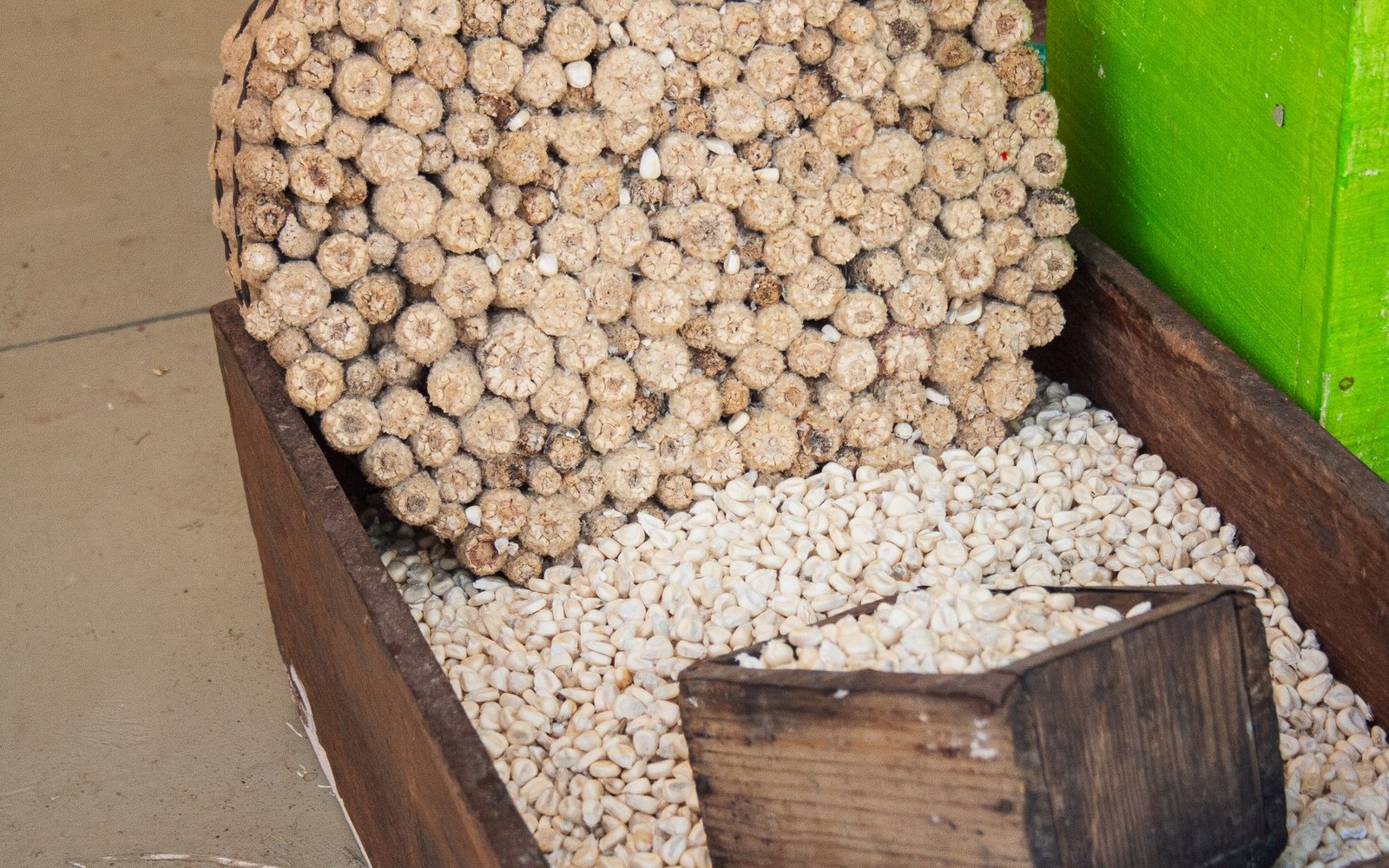
Photo: Noemí Jiménez / Pexels Read →Posole Is a Corn Dish That People Keep Calling a Soup
The hominy at the centre of posole — nixtamalised corn, its pre-contact Pueblo origins, and why classifying it as soup mistakes the ingredient for the broth. An argument about taxonomy and ingredients.
-
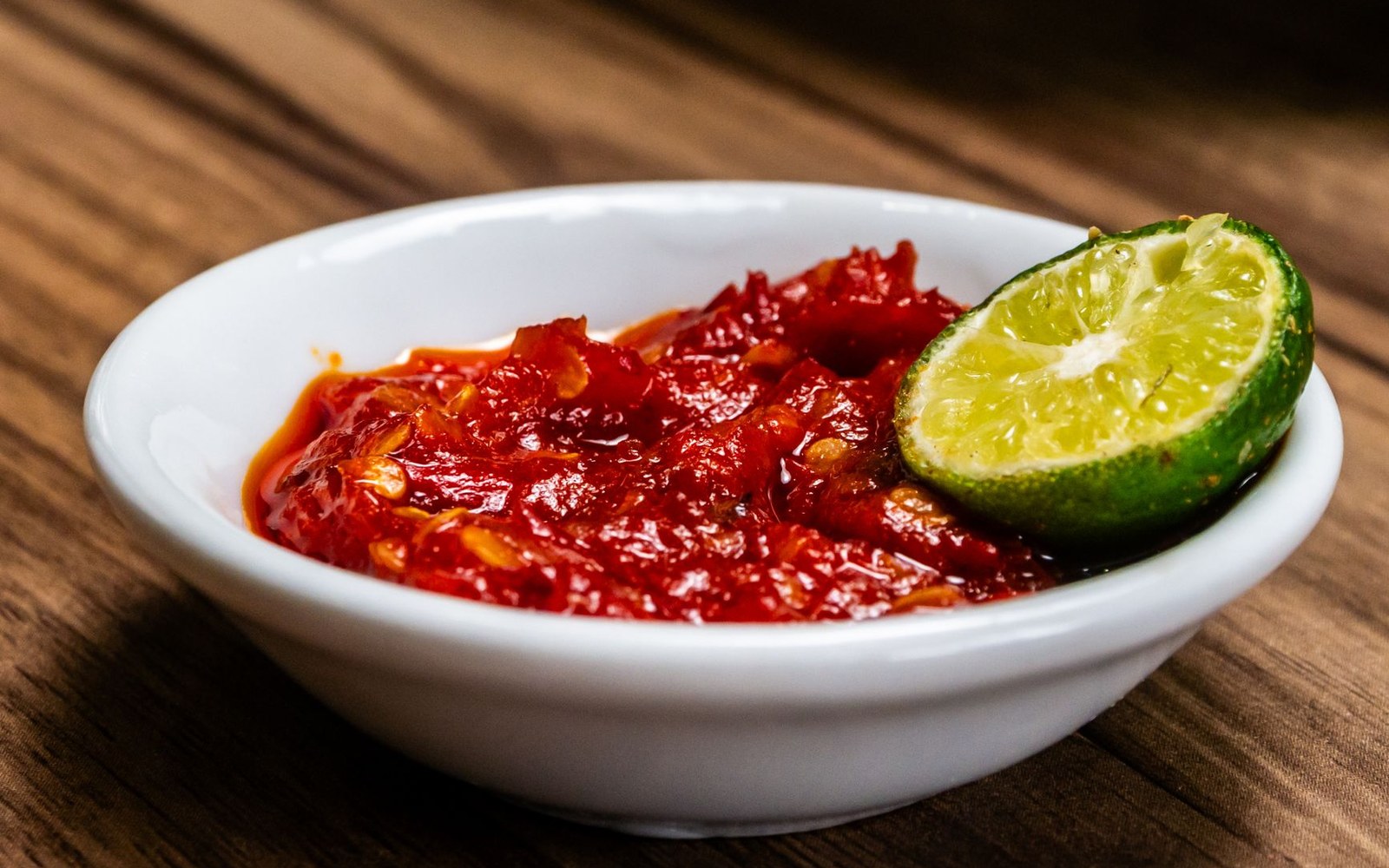
Photo: Wahyu Prabowo / Pexels Read →Carne Adovada: What a Long Soak in Red Chile Does
How the adovada process works — the dried red chile paste, the marinating time, the cut of pork — and where it sits in the Spanish colonial livestock tradition. A piece that explains what the dish is before anything else.
-
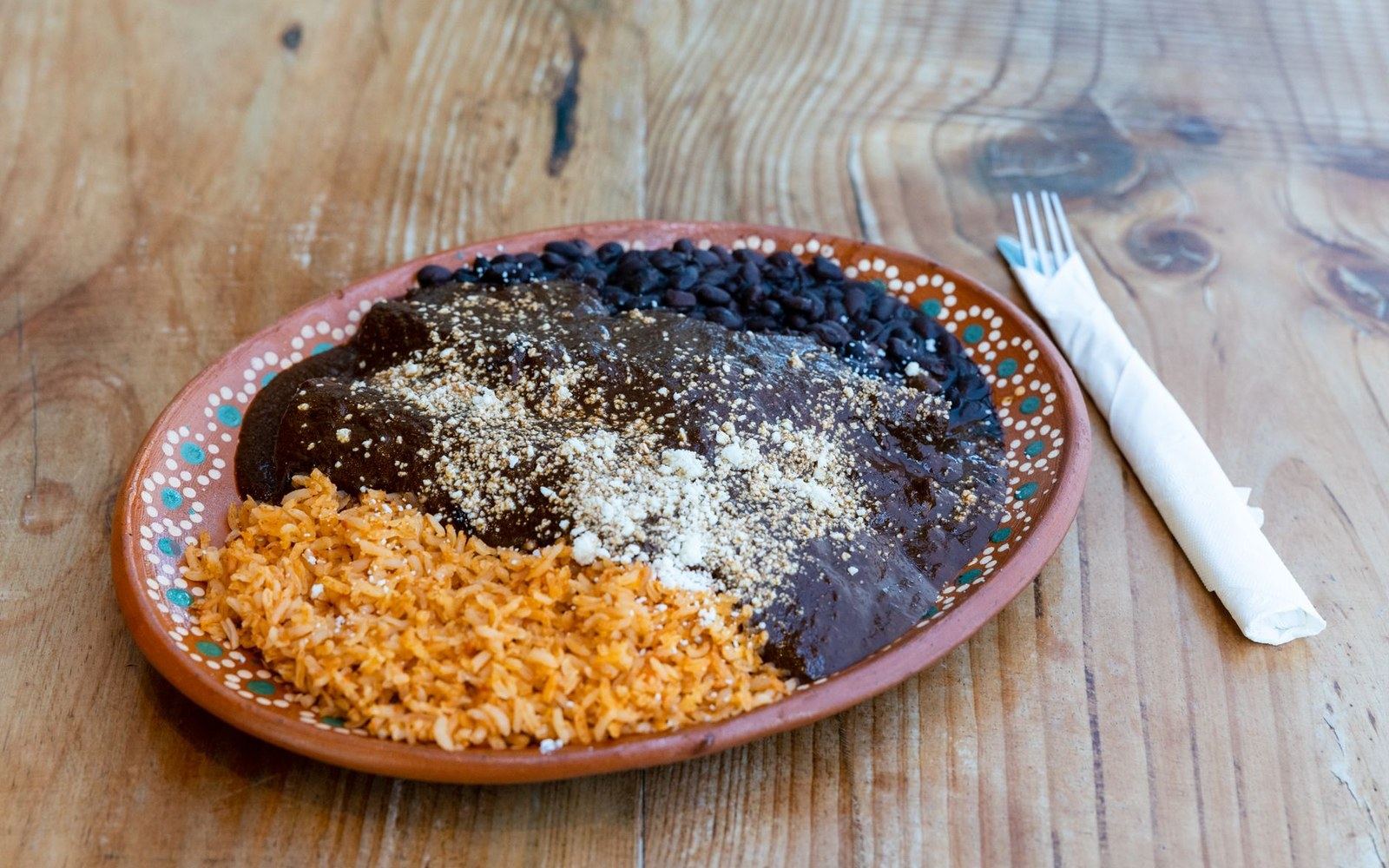
Photo: Snappr / Pexels Read →Stacked, Not Rolled — and Eight Other Rules the Enchilada Sets
New Mexico's flat-stacked blue-corn enchilada as a formal departure from the rolled Tex-Mex standard — what the stack implies about the tortilla's role, the chile sauce's weight, and the egg on top. An argument with a clear position.
-
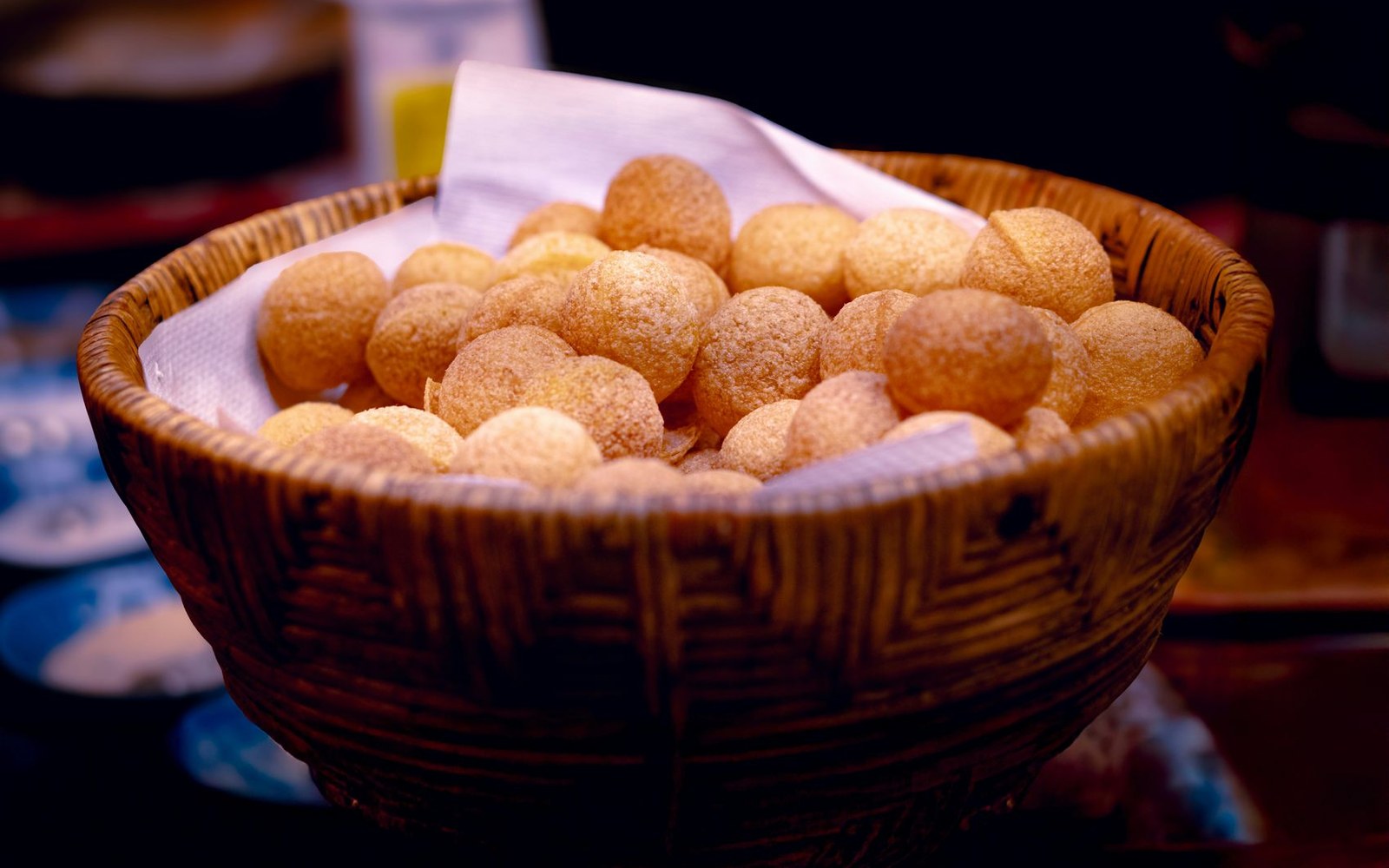
Photo: Litoon dev / Pexels Read →Sopaipillas: The Honey Is Not Optional
The fried bread that appears alongside savoury plates in New Mexico — its distinction from the South American sopaipilla, the function of the honey alongside spiced food, and its documented place in the state's table. A short explainer with a firm point of view.
-
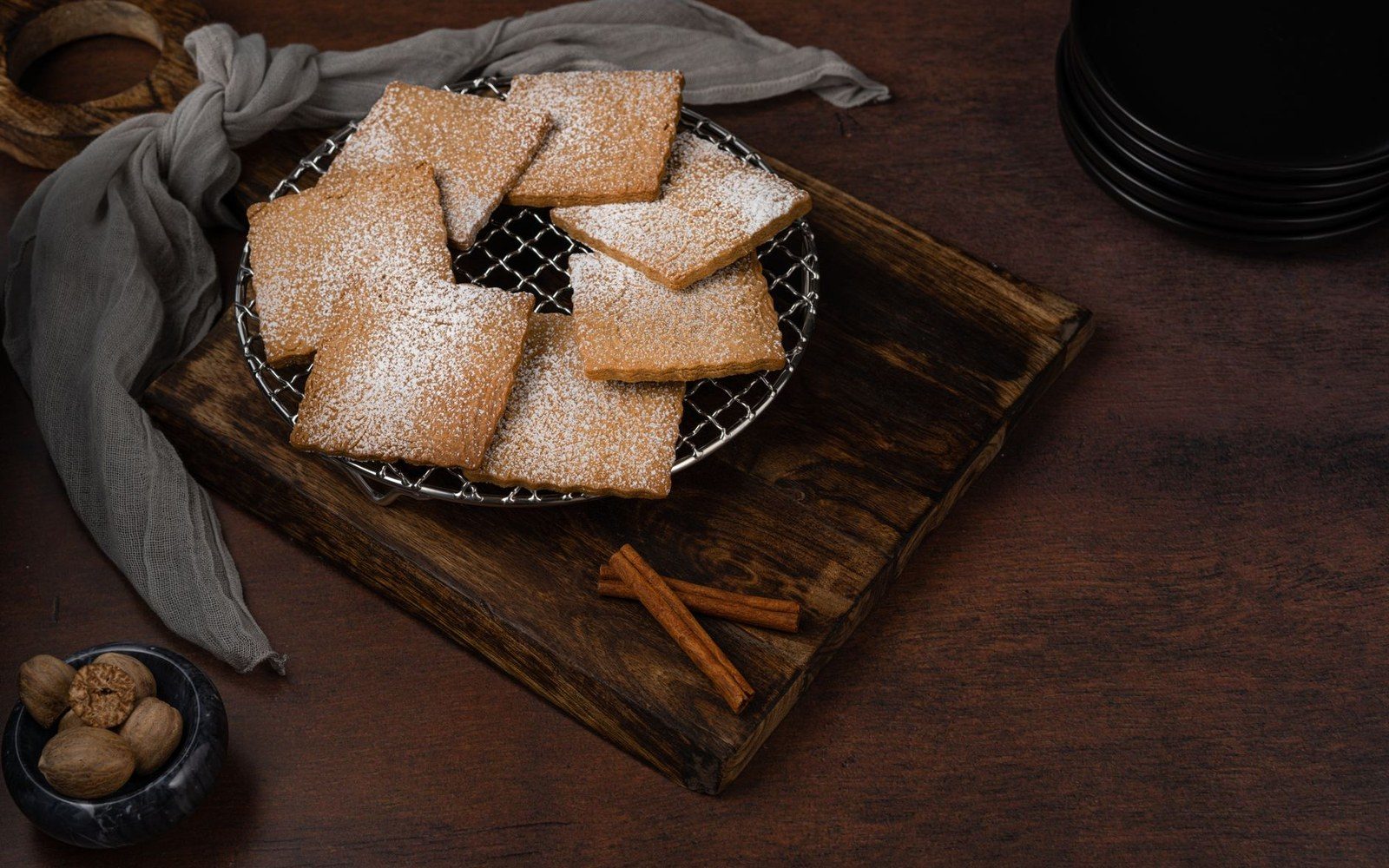
Photo: Skyler Ewing / Pexels Read →The Legislature Voted on a Cookie in 1989 and Got It Right
The biscochito — anise-and-cinnamon lard shortbread — became New Mexico's official state cookie in 1989, the first state in the country to name one. The piece covers the Spanish colonial origin of the dough and the politics of the vote.
-
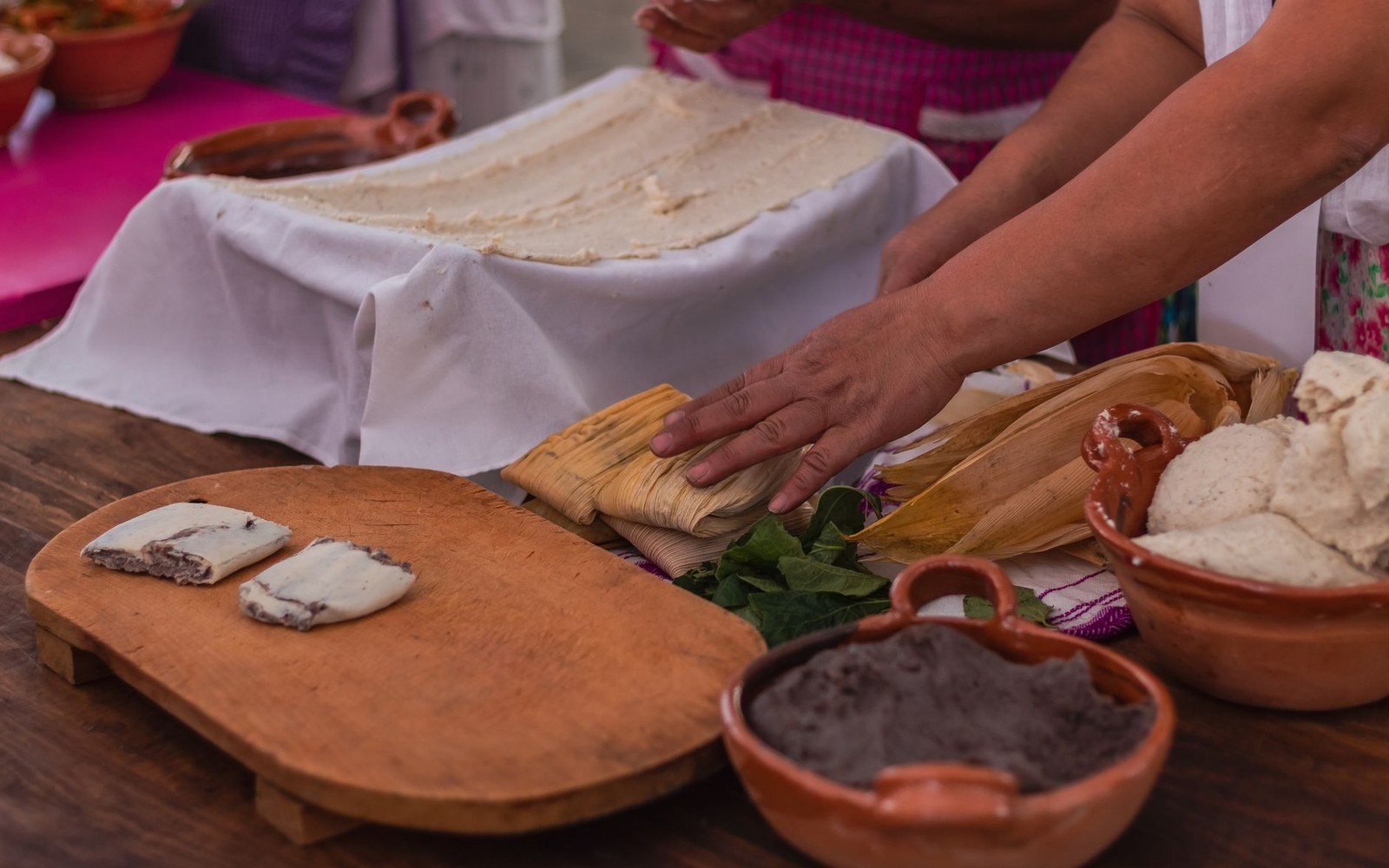
Photo: Oscar Damián Jiménez / Pexels Read →Tamales at Christmas: A Calendar That Pre-dates the Calendar
The New Mexico Christmas tamale tradition — its Pueblo and Spanish colonial convergence, the communal making process, and why December became the fixed moment. A piece about ritual food without ceremonial detail.
-
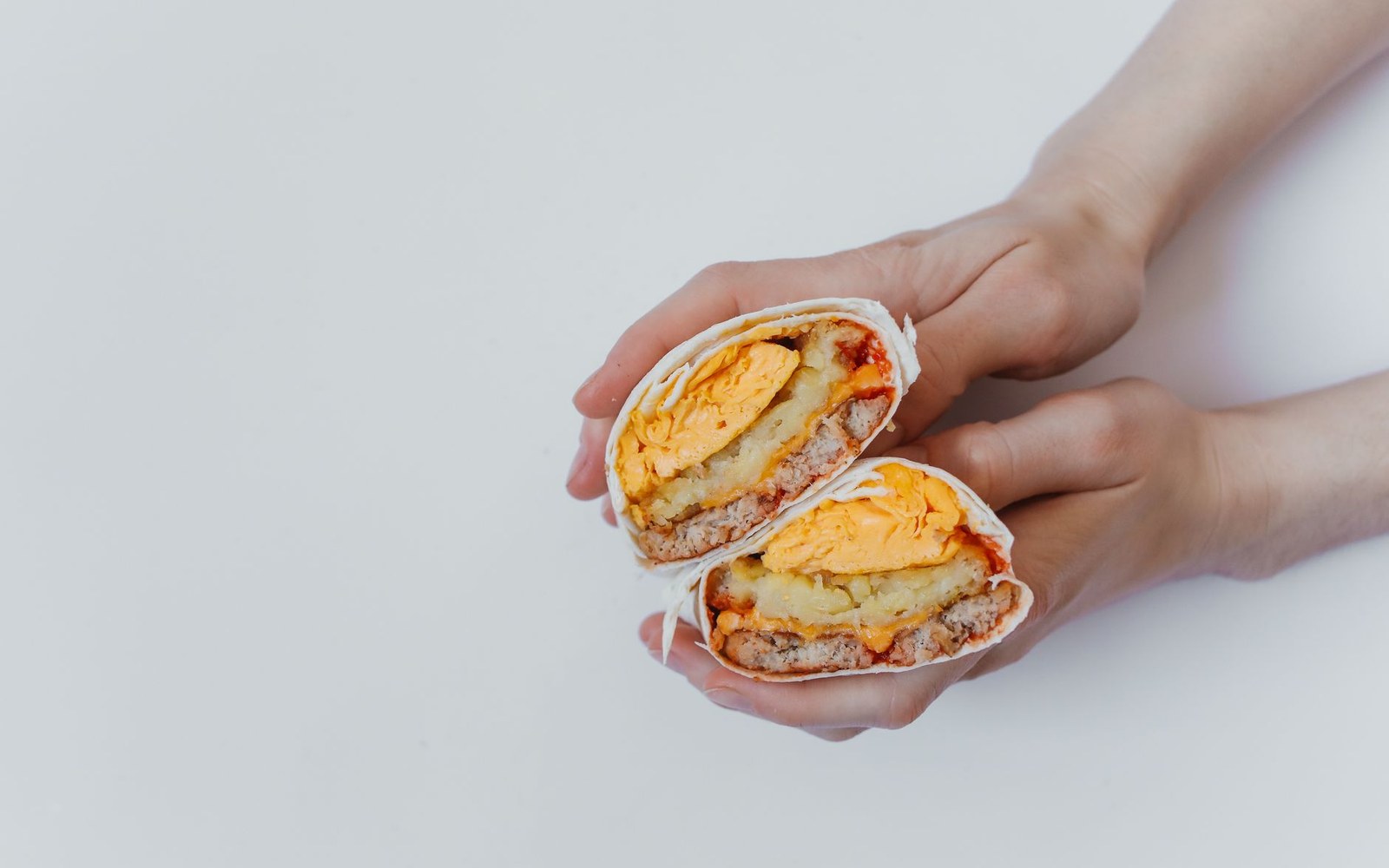
Photo: Polina Tankilevitch / Pexels Read →New Mexico's Claim on the Breakfast Burrito
The disputed origin of the breakfast burrito and the specific New Mexican form — green chile, egg, potato, rolled in flour — set against competing Tex-Mex and California versions. A comparison that lets the documented record decide.
-
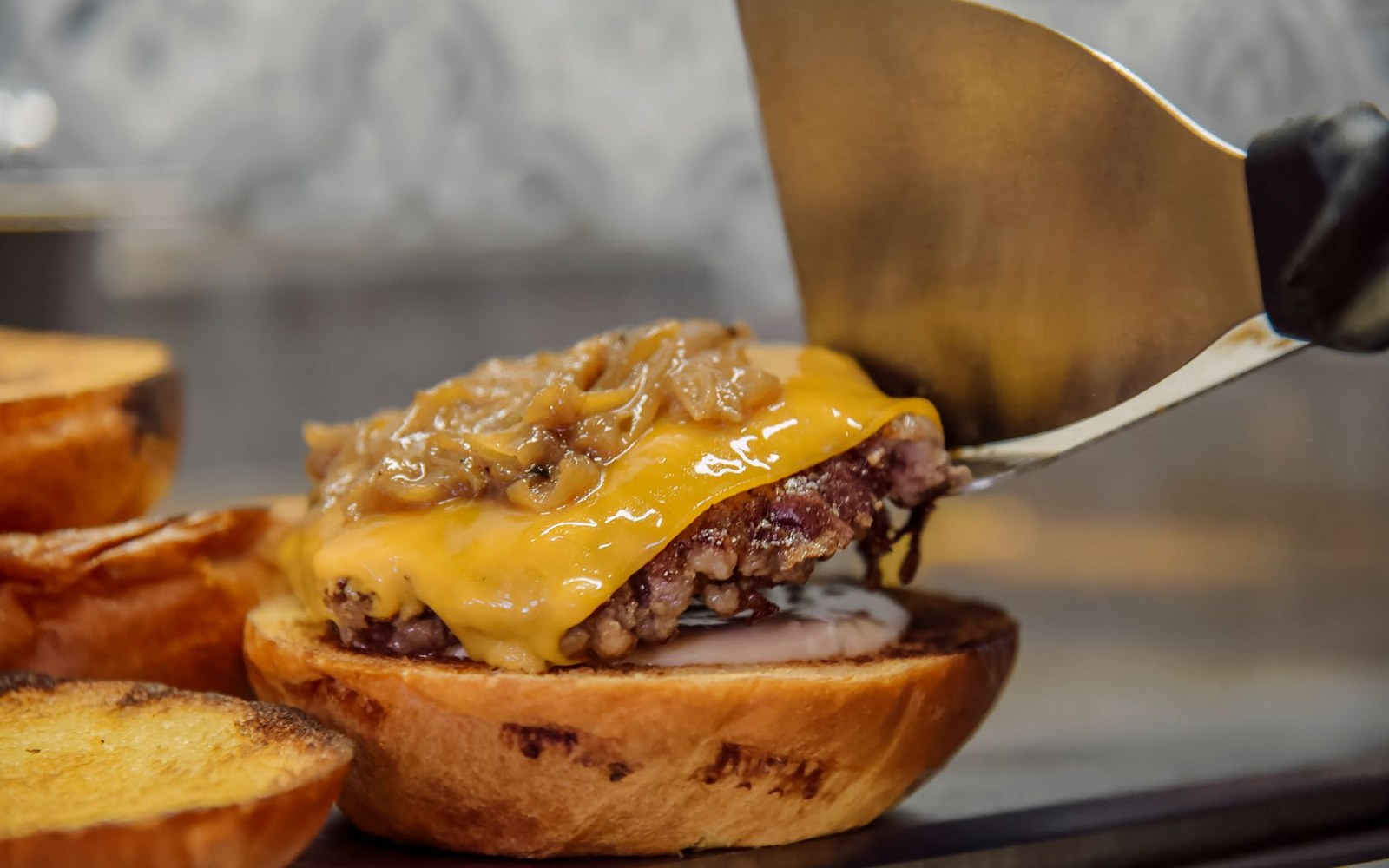
Photo: Xhemi Photo / Pexels Read →The Green Chile Cheeseburger Has an Official Trail and a Governing Logic
New Mexico's green chile cheeseburger as a named state food phenomenon — what makes the New Mexican version structurally different from a topped burger elsewhere, and the state's documented trail of named establishments. Covers the dish, not the ratings.