New Mexico's Claim on the Breakfast Burrito
The morning roll of flour, egg, green chile and potato has at least three states arguing over it — the documented record narrows the field.
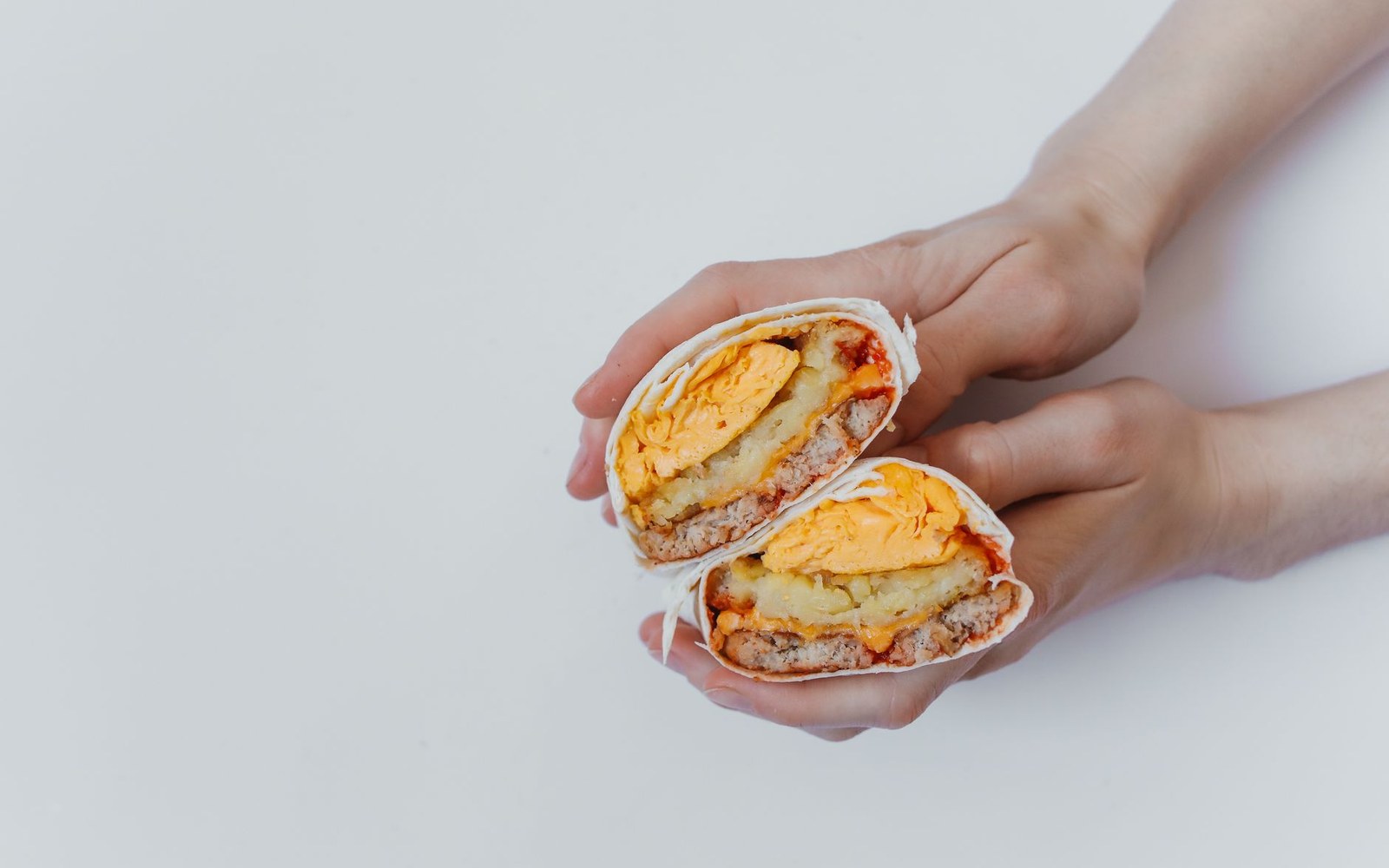
Photo: Polina Tankilevitch / Pexels
What Goes Inside Defines the Argument
The breakfast burrito is not a dish with one origin story. California, Texas and New Mexico all press claims, and the fast-food industry — Taco Bell filed a trademark application for "breakfast burrito" in the 1990s, later abandoned — muddied the water further. What separates the New Mexican version from its competitors is not just geography but composition: a flour tortilla rolled around scrambled egg, roasted green chile, potato and often pork, with the chile doing structural work rather than serving as garnish.
New Mexico's flour tortilla tradition arrived with the colonial supply wagons of the Camino Real de Tierra Adentro, which carried wheat north from central Mexico beginning in the late sixteenth century. Wheat flour never displaced corn in the Pueblo kitchen, but it embedded itself deeply in the Spanish colonial household, and the flour tortilla became the default wrapper for portable, filling morning food in the Rio Grande corridor. That context matters: the breakfast burrito in New Mexico is a product of a specific agricultural and culinary convergence, not a chain-restaurant innovation.
Where the Documentation Points
The competing California claim centers on fast-food chains' later adoption of the item, particularly Taco Bell's breakfast menu, and on certain Mission-style burrito traditions in San Francisco's Mission District that stretch back decades, though the Mission burrito — large, rice-laden, foil-wrapped — is a distinct object. The Texas claim is vaguer, leaning on Tex-Mex's general dominance of the border-food conversation in the American imagination.
The New Mexico case rests on specificity. According to the U.S. Patent and Trademark Office's trademark records ↗, no single claimant has successfully registered the term "breakfast burrito" as a proprietary mark, which leaves the name in the public domain and the origin question open to whoever can produce the earliest documented menu use. New Mexico's strongest exhibit is Tia Sophia's, a small restaurant in Santa Fe that has been cited in regional food histories as putting a named breakfast burrito on its menu around 1975, though contemporaneous menu documentation is difficult to verify at this remove.
What is verifiable is that green chile's role in the dish is non-negotiable in New Mexico in a way it simply is not elsewhere. The Hatch Valley and the Chimayó corridor produce the dried and fresh chiles that define the state's palate, and the chile in a New Mexican breakfast burrito is roasted, peeled and chopped — not a sauce applied after assembly, but an ingredient folded into the egg. That distinction in technique separates it cleanly from Tex-Mex variants, where chile typically enters as a cooked salsa, and from California versions, where avocado or salsa fresca often stands in entirely.
The potato element — usually diced and pan-fried — reflects the broader New Mexican plate tradition, where starch appears in multiple forms simultaneously without apology. It also connects the dish to the working agricultural calendar: a breakfast dense enough to carry a field hand or a rancher through the morning.
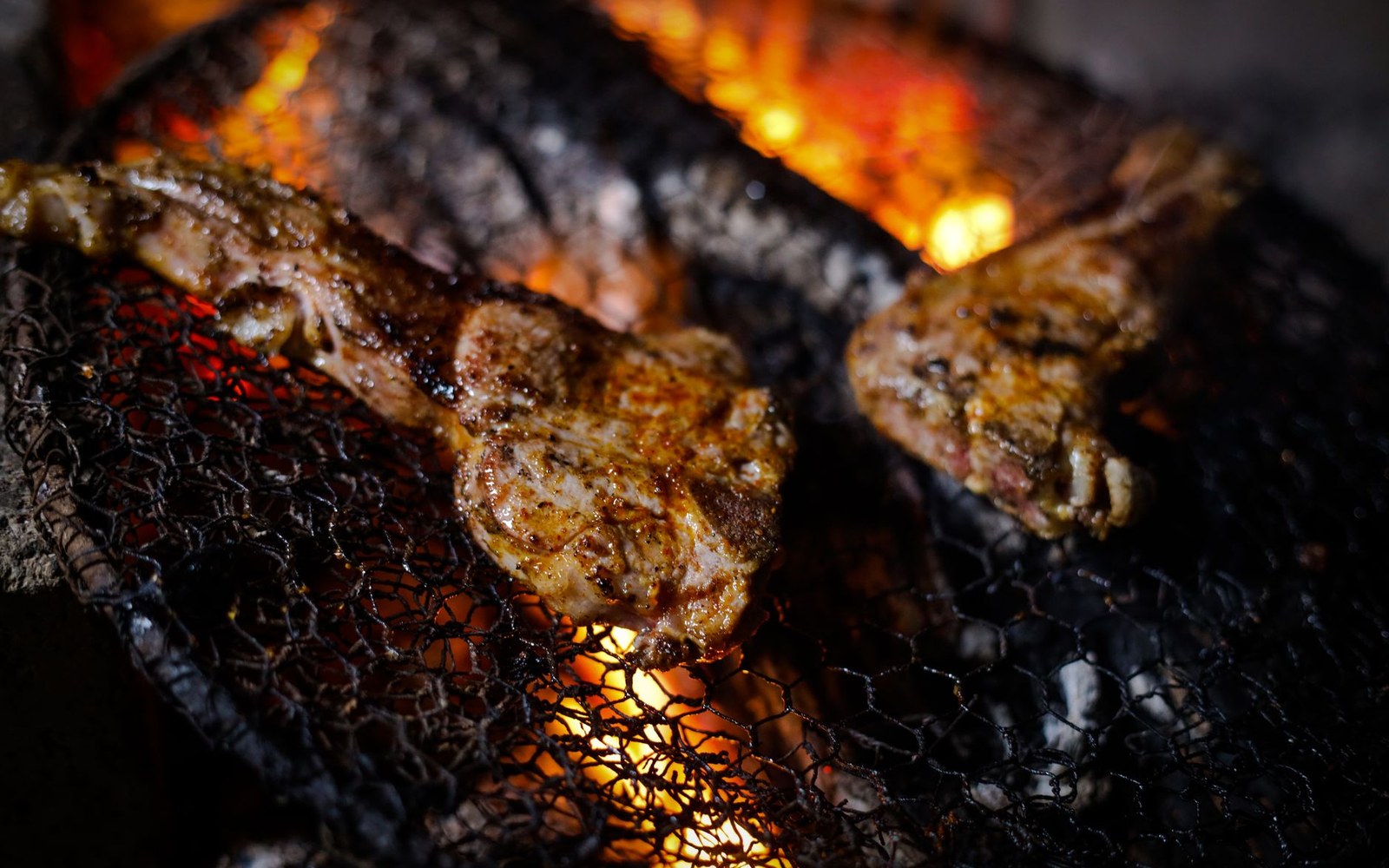
The green chile inside it was roasted in September and has been in a freezer since.
Photo: Thomas Chauke. / Pexels
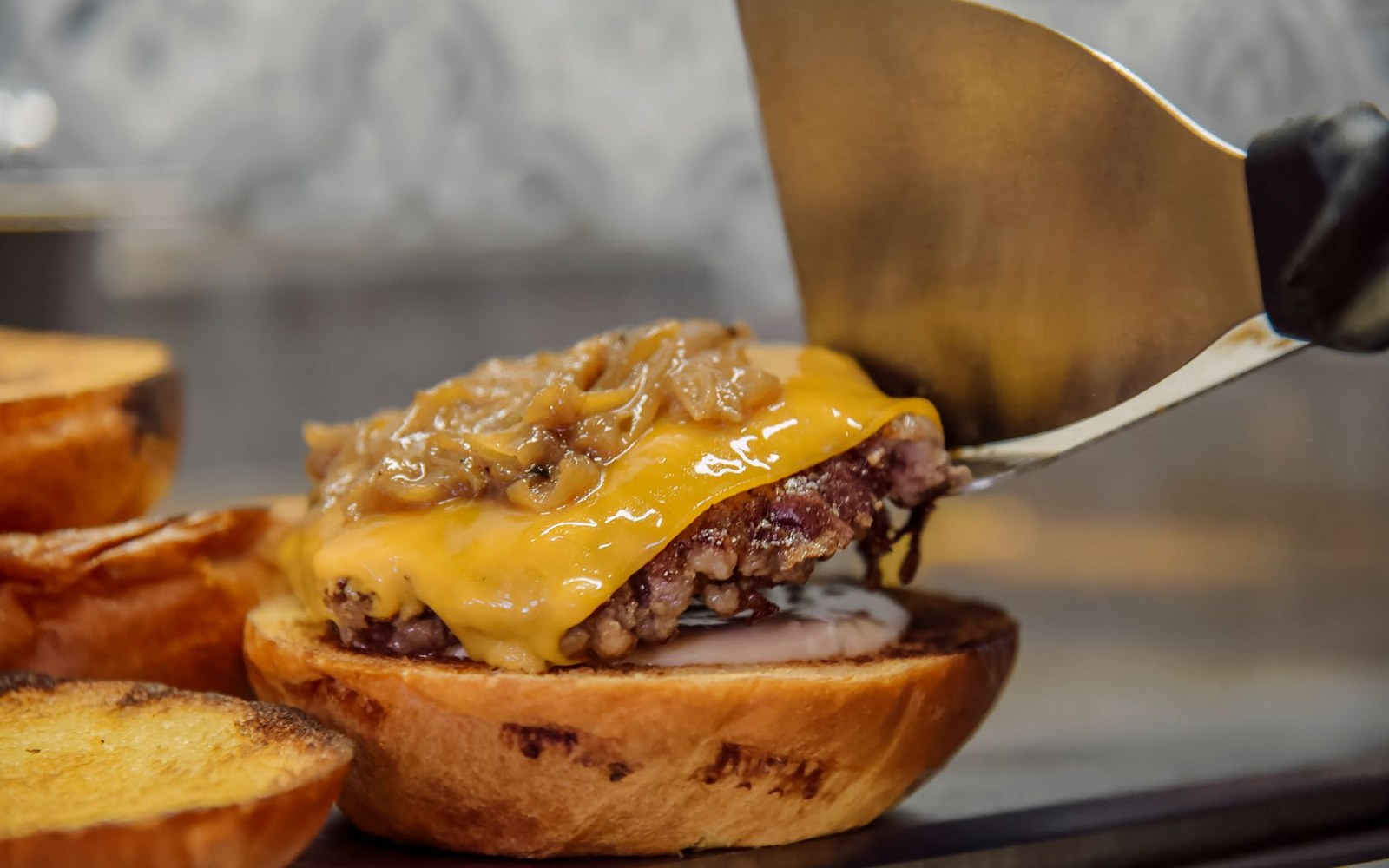
The other claim the state presses, and the only one it has actually signposted.
Photo: Xhemi Photo / Pexels
What the Comparison Settles
No federal body and no neutral culinary authority has adjudicated the breakfast burrito's birthplace, and none is likely to. But the Smithsonian Institution's National Museum of American History ↗ frames the broader burrito tradition as a twentieth-century border phenomenon that diversified rapidly by region — which is precisely the honest framing. Regional divergence, not a single point of invention, produced the objects we are now comparing.
On those terms, New Mexico's version is the most internally consistent. Its ingredients trace directly to documented local agriculture — chile cultivars shaped by a century of breeding work at New Mexico State University, potatoes and eggs from Rio Grande valley farms, flour from the colonial wheat tradition — and its technique is specific enough to distinguish it from imitations. The breakfast burrito may not have been invented in New Mexico. But the New Mexican breakfast burrito is its own thing, and that is a more defensible claim than priority.
Also in Dishes