Hatch Valley: Why the Ground Changes the Pod
Place is the ingredient that no breeding programme can replicate.
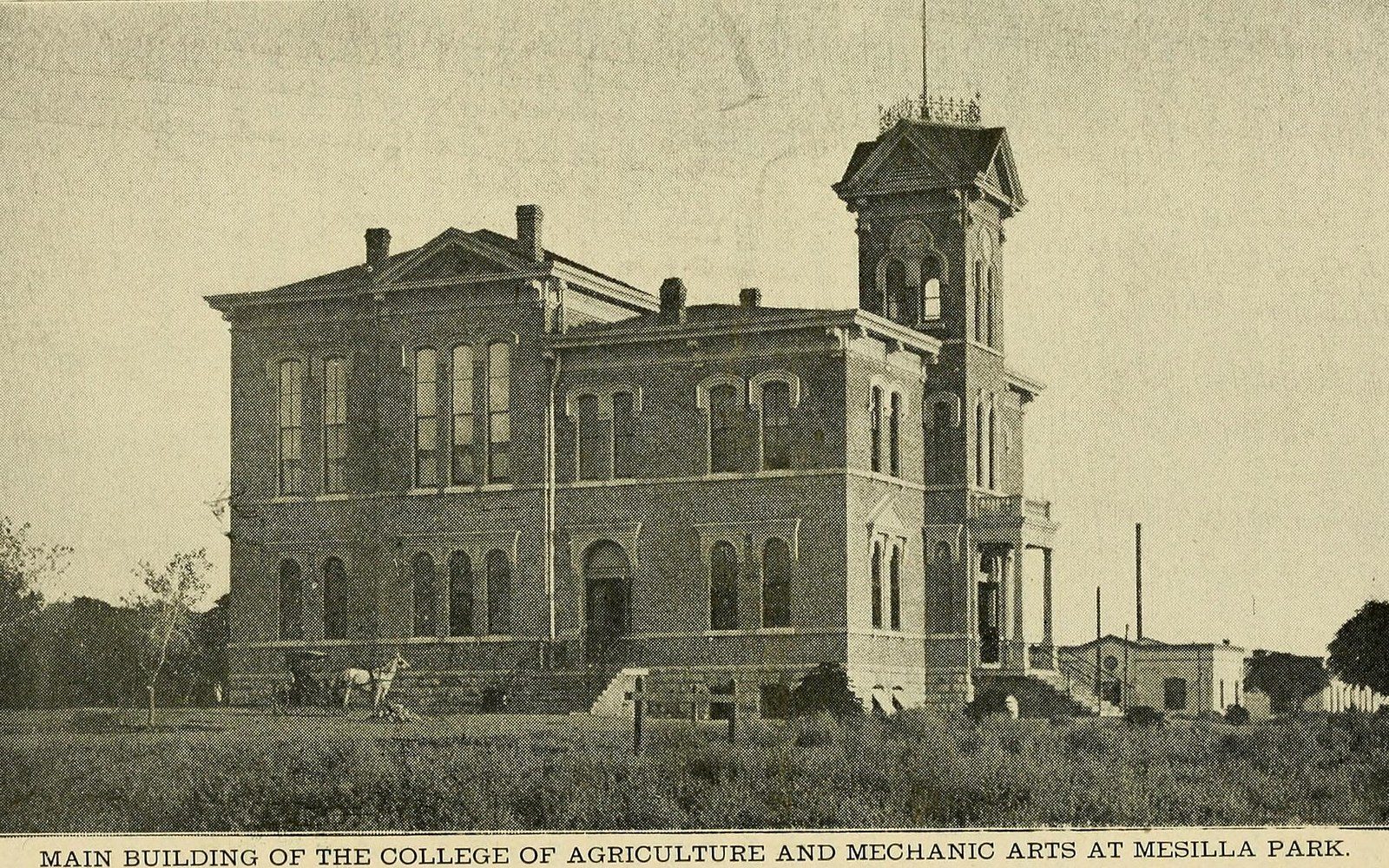
Photo: Wikimedia Commons
Altitude, Soil and the Chemistry of Heat
The Hatch Valley sits in the Rio Grande flood plain of southern New Mexico, roughly between the towns of Hatch and Rincon in Doña Ana County, at an elevation of around 4,000 feet. That altitude matters because the growing season there combines intense high-desert solar radiation with cool nights — a diurnal temperature swing that regularly exceeds thirty degrees Fahrenheit in late summer. Capsaicin, the alkaloid that produces heat in chile peppers, accumulates in the placental tissue of the pod, and its concentration responds directly to the stress signals plants receive from their environment. Cool nights slow cellular metabolism without halting the biochemical pathways that produce capsaicinoids. Heat builds in the fruit accordingly.
Soil chemistry adds a second variable. The valley floor carries alkaline alluvial soils ↗ deposited by centuries of Rio Grande flooding — soils with elevated pH and a mineral profile that affects nutrient uptake and, in turn, the stress responses that regulate secondary metabolite production. Capsaicin is a secondary metabolite: the plant does not need it to survive, but it produces more of it when conditions press. Alkaline soil creates exactly that kind of measured botanical stress, pushing the plant to express the chemistry already coded in its genome at a higher register than neutral or acidic ground would permit.
Dry heat completes the triangle. Annual precipitation in the valley is sparse — southern New Mexico's growing region relies heavily on irrigation through the acequias that have run along the Rio Grande corridor since colonial times. Low ambient humidity during pod development reduces fungal pressure and allows the fruit wall to stay intact through the full ripening cycle, concentrating flavour compounds alongside capsaicinoids. A pod grown in wetter conditions will dilute those compounds as the fruit swells with water. The Hatch pod, irrigated precisely but surrounded by arid air, has no such dilution.
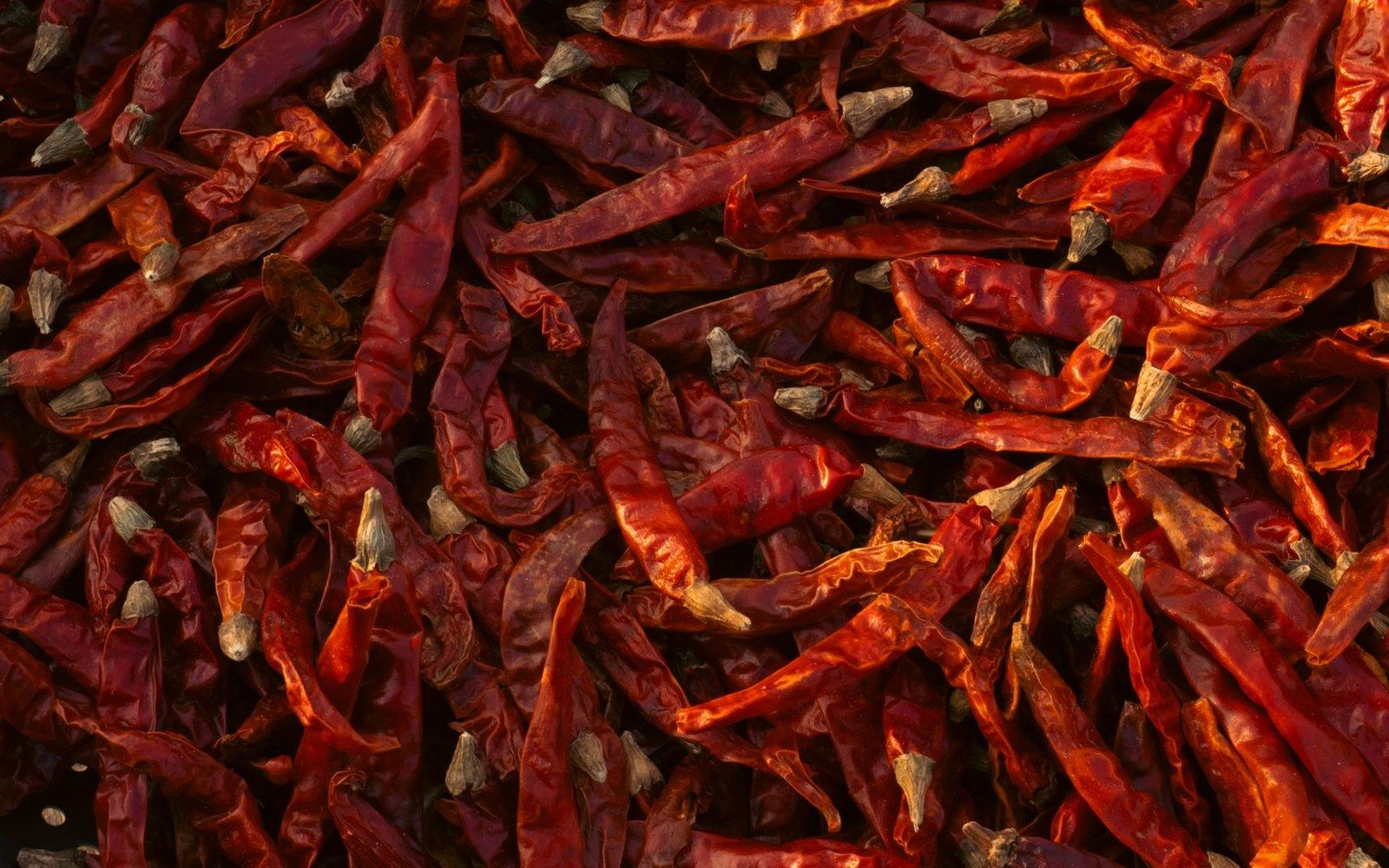
Dried pods of the commercial Hatch types. Alkaline soil and dry heat concentrate sugar as much as they concentrate capsaicin.
Photo: HRIDYAKSH GEJWAL / Pexels
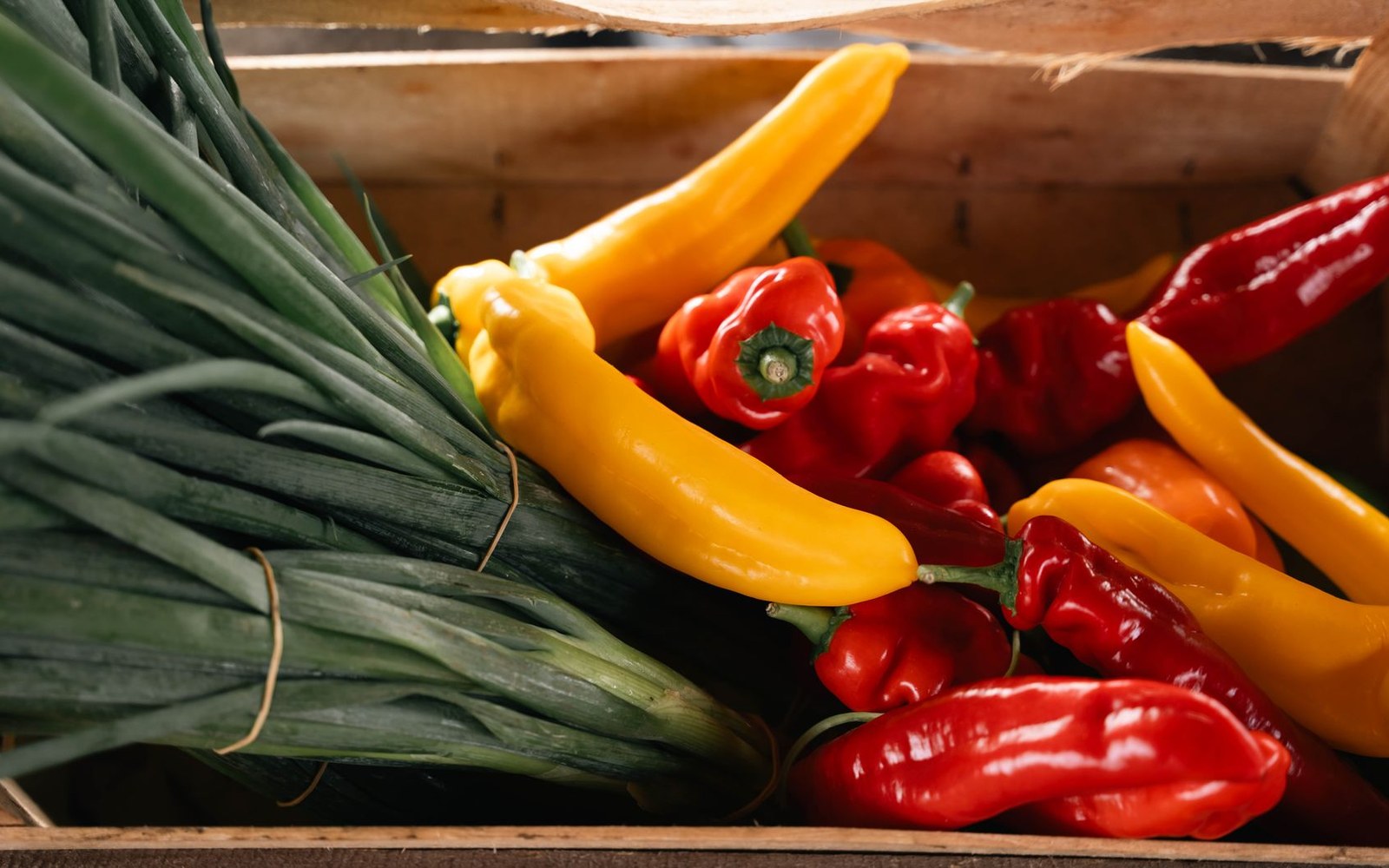
Picking is still done by hand into buckets. A mechanical harvester bruises the wall of the pod, and the wall is the part that gets peeled.
Photo: Viridiana Rivera / Pexels
What the Breeding Work Confirmed
New Mexico State University's chile breeding programme, now more than a century old and rooted in Fabián García's foundational work on pod standardisation, has documented the interaction between cultivar genetics and growing environment in systematic field trials. The key finding, consistent across NMSU research, is that the same genetic cultivar grown in different New Mexico locations produces measurably different Scoville values and distinct flavour profiles. The Hatch Valley reliably expresses the highest end of the range for mid-heat cultivars. This is not folklore about one county's bragging rights — it is a documented agronomic pattern that plant scientists describe under the framework of genotype-by-environment interaction ↗, where a genome's expression shifts depending on where that genome finds itself.
That framework matters because it clarifies what the word "Hatch" means on a label and what it does not. Hatch is not a cultivar. No single pod variety is native to the valley; growers there plant NuMex varieties developed at NMSU, along with older landraces and proprietary lines. What the valley contributes is the environment those varieties grow into — the altitude, the soil pH, the dryness, the solar load — and environment is the variable that cannot be saved or shipped the way seed can. A grower in the San Luis Valley of Colorado can plant the identical seed and produce a different pepper.
Place as Irreducible Ingredient
The notion that terroir — the French word for the sum of a place's physical and climatic conditions — applies to wine more naturally than to vegetables is a prejudice of the European table. Pueblo farmers understood differential growing conditions across New Mexico's river valleys long before the Hatch Valley became a commercial growing region, selecting and saving seeds not only for the pod's characteristics but for how a given seed line performed in a specific microclimate. The Hatch Valley is one formal expression of that logic: a place where a specific alignment of elevation, soil chemistry and climate consistently pulls more from a pepper plant than the plant would otherwise offer. The ground is an ingredient. It does not appear on the label in any useful detail, but it is present in every bite.
Also in Chile