The Chimayó Chile Stayed When Everything Else Was Bred Away
A landrace strain that NMSU never touched survives in the same valley it has occupied for centuries — and the acequia is half the reason.
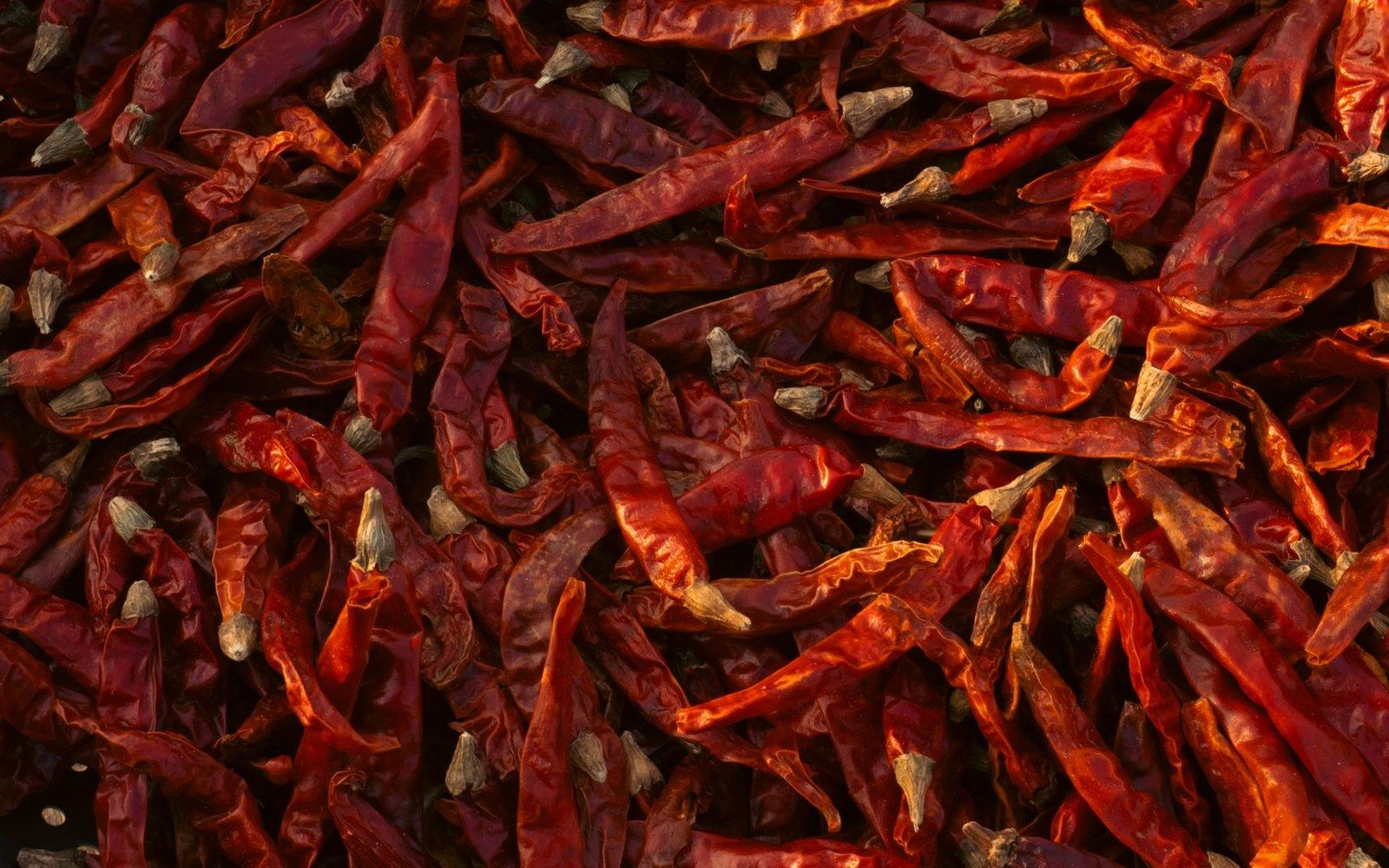
Photo: HRIDYAKSH GEJWAL / Pexels
What Chimayó Has That the Breeding Programs Left Alone
The chile grown in the village of Chimayó is not a cultivar in the formal sense. No university released it. No breeder named it after himself or logged it in a trial. It is a landrace — a population of plants shaped over generations by the specific conditions of a specific place, held in genetic tension between what the growers saved and what the soil and water allowed. While Fabián García's breeding work at the New Mexico College of Agriculture and Mechanic Arts was producing stable, predictable, commercially viable pods in the south of the state, Chimayó growers in the Sangre de Cristo foothills were doing something that, from a plant science perspective, looks almost like the opposite: allowing the population to remain genetically open, saving seed from what grew best in that valley, and replanting season after season in the same ground.
The result is a chile with enough documented genetic distinction from commercial New Mexico types that researchers working on Capsicum annuum diversity ↗ have treated it as a separate population. The pods are small — markedly smaller than the long, smooth Anaheim-lineage fruit that Hatch Valley growers sell by the bushel. They are irregular, often twisted, with skin that wrinkles and darkens unevenly through the drying process. The flavor, as chile specialists and food writers have noted without needing to romanticize it, carries pronounced earthiness and a dried-fruit complexity that is partly a function of genetics and partly of drying in high, dry air at roughly six thousand feet elevation. Heat is moderate but variable, which is itself a signature of landrace genetics: without the selection pressure that produces consistent Scoville numbers, individual plants within the same row can differ meaningfully.
What the Acequia Did That a Drip Line Cannot
None of this would exist without water management that is, at its foundation, a colonial-era adaptation of something older. The acequia system — community-managed irrigation ditches distributed by a locally elected mayordomo — delivers snowmelt from the mountains through hand-dug channels that have been in use, in some cases, since the seventeenth century. The acequias of the Chimayó valley are not romantic infrastructure. They are the reason a subsistence-scale chile garden is viable in semi-arid terrain that receives perhaps thirteen inches of precipitation in a good year.
What the acequia provides that a modern drip irrigation system does not is communal continuity. Water rights under New Mexico's acequia law are tied to the land, governed by the community of users, and allocated by custom and adjudication rather than by corporate ownership. The New Mexico Acequia Association, which works with the state legislature to protect this structure, has documented how acequia governance kept small plots viable through the twentieth century — precisely the decades when industrial agriculture was rationalizing production everywhere else. A Chimayó grower who could not afford to mechanize was not automatically pushed out of production, because the water delivery system was not predicated on scale.
That stability had a direct genetic consequence. Seed saving is only a rational practice when you expect to plant again next season. Acequia-supported tenure security gave Chimayó families the reasonable expectation that the same plot would be theirs to plant for another generation, which meant the same seeds were worth saving, the same selection decisions worth making. The landrace persisted because the conditions for landrace maintenance persisted.
The Argument the Grain of Pollen Makes
There is a complication in the Chimayó story, and it is an agronomic one. Capsicum annuum is a self-pollinating species, which gives landrace maintenance an initial advantage over cross-pollinating crops: the plant can set seed from its own flower without waiting for an insect to carry pollen from a commercial neighbor. But it is not strictly self-pollinating. Insects do visit the flowers, and when a plot neighbors another with different genetics — including, in the modern era, commercially produced hybrid transplants — outcrossing is possible.

The whole seed bank: a folded envelope in a kitchen drawer, refilled each autumn from the best plants in the row.
Photo: cottonbro studio / Pexels
Genomic survey work on New Mexico chile populations ↗ has confirmed that the Chimayó population retains distinctive allele frequencies that separate it from commercial breeding lines, but has also documented that it is not genetically isolated in a pure sense. What survives is not an untouched original. It is a population that has been continuously managed, continuously selected, continuously replanted under conditions that favored its characteristic traits even as occasional genetic exchange occurred around the margins. This is the normal condition of a landrace, and it is part of why landrace preservation is agricultural practice, not museum curation.
The argument some growers and food scholars make — that Chimayó chile is endangered by hybrid contamination, that it must be sealed off to survive — misunderstands how the strain has lasted this long. It lasted through management, not through isolation. The threat is not pollen from a neighboring field. The threat is the same threat that ended landrace agriculture everywhere else in the state: if the plots stop being planted, there is nothing to select from, and no seed stock persists more than a generation without it.
The Santuario de Chimayó sits at the lower end of the valley's cultivated land, and it is worth noting how the same geography that made the Santuario a pilgrimage destination — the enclosed, sheltered character of the valley, the reliable water — also made it the kind of place where agricultural traditions could accumulate rather than be disrupted. The valley resisted not because it was remote but because it was coherent: a functioning social unit with water law, land tenure, and a food culture that gave specific identity to specific produce.
The Chimayó chile now appears on restaurant menus in Santa Fe, is sold as a labeled product through small producers and the Santa Fe Farmers' Market, and has received enough attention from food writers and chefs that market pressure has become, ironically, a conservation argument. Economic value gives growers a reason to maintain the plots and protect the seed supply. Whether that is sufficient to sustain the landrace against the longer-term pressures of rural depopulation and competing land use is an open question. What is not open is the agricultural logic: the strain is what it is because people in one valley kept planting it, kept saving seed, and had the water to do so.
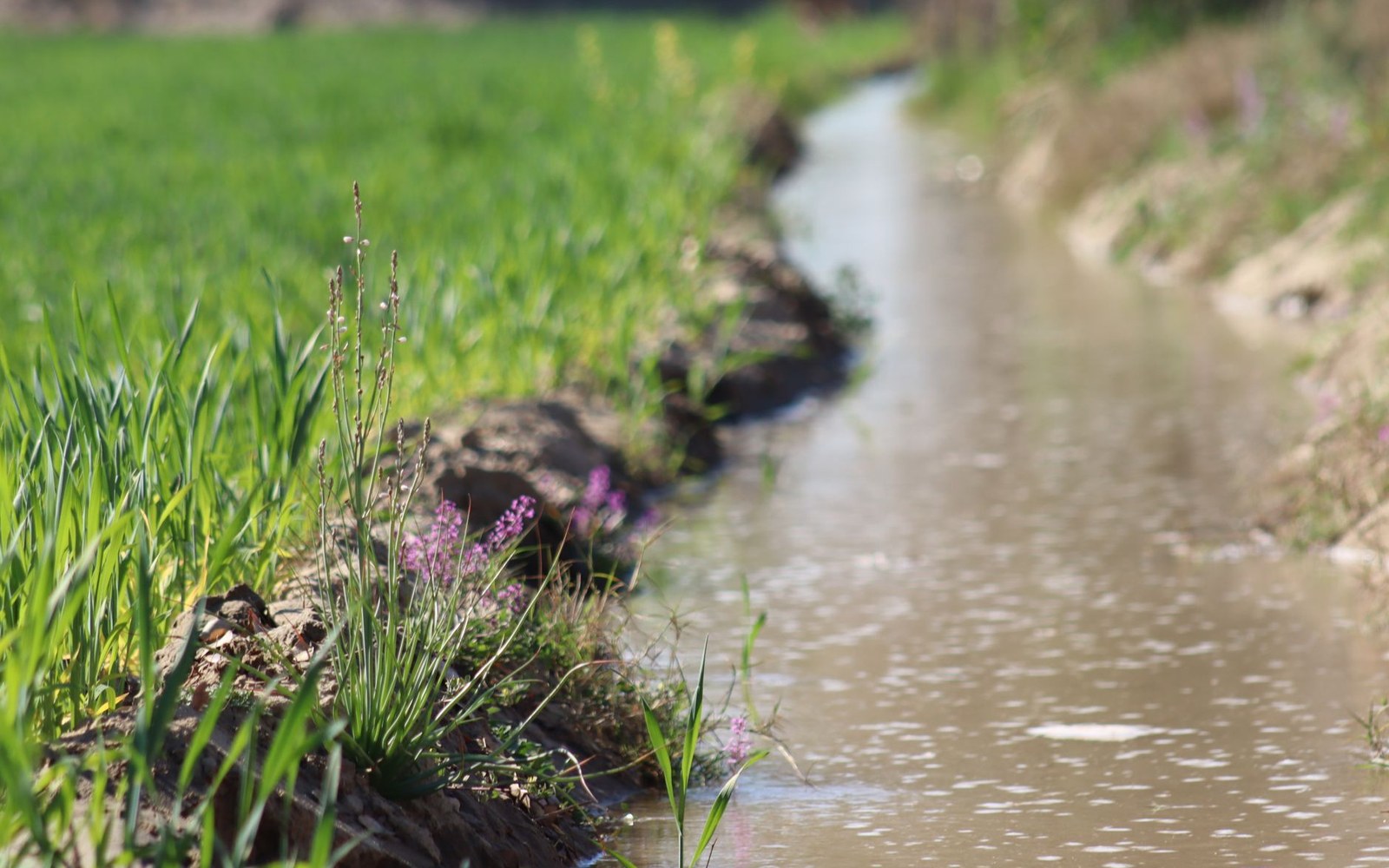
The acequia that waters these plots is older than the state, and is still administered by the people it waters.
Photo: Dr Photographer / Pexels
Also in Chile