The Camino Real Brought Livestock, Wheat and a New Set of Spices North
A road is also a pantry. The Camino Real de Tierra Adentro moved more than soldiers and priests through the Chihuahuan Desert — it moved the ingredients that rewired New Mexico cooking.
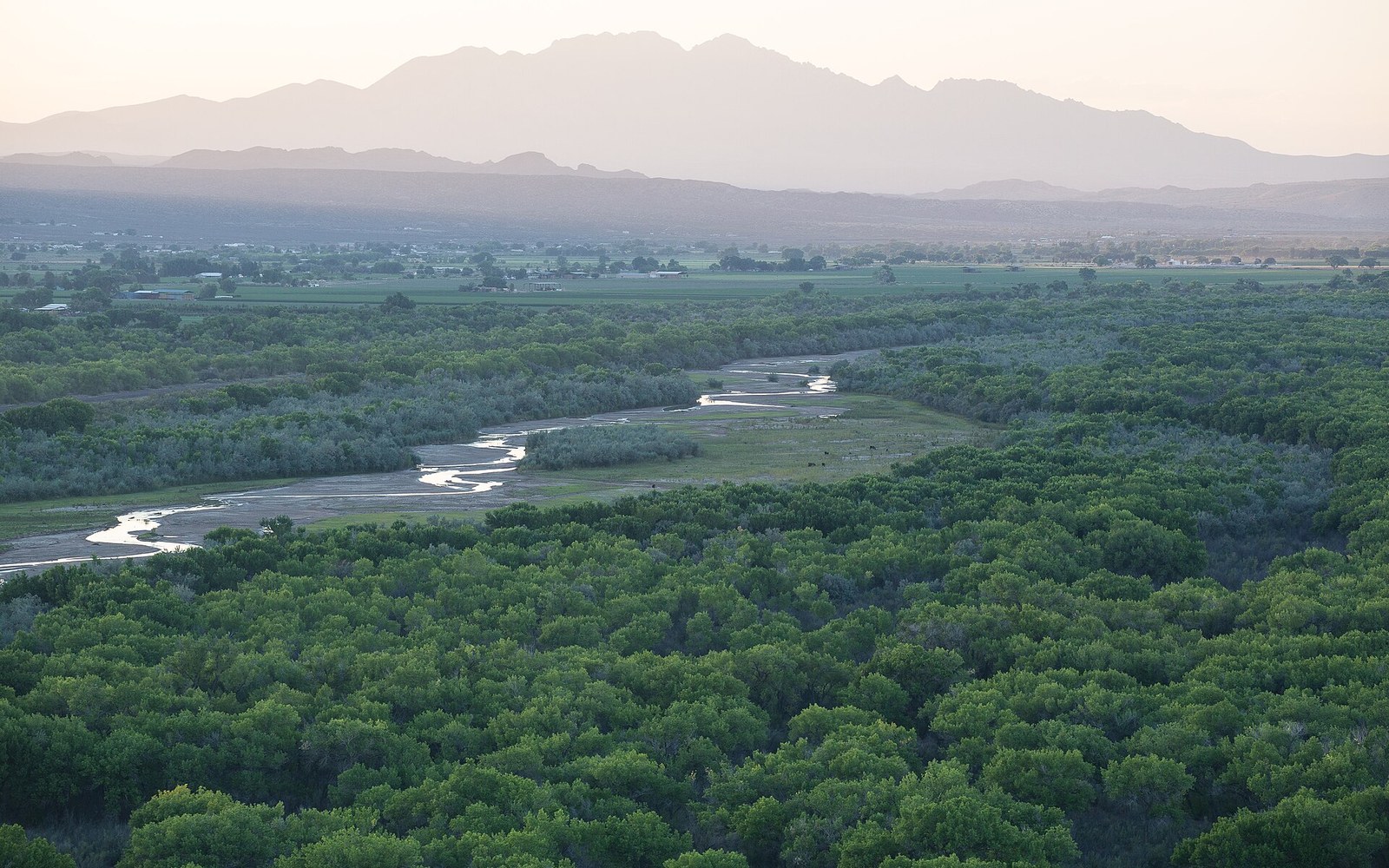
Photo: Wikimedia Commons
The Corridor and Its Cargo
The Camino Real de Tierra Adentro — the Royal Road of the Interior Land — ran roughly 1,500 miles from Mexico City to Santa Fe, a journey that took supply trains four to six months under good conditions. From the moment Juan de Oñate led the first colonial entrada north along it in 1598, the road functioned as a slow-moving larder: cattle, sheep, goats and pigs walked the route under their own power, arriving thin but alive. Wheat seed traveled in sacks. Onions, garlic and culinary herbs came as seed stock or dried material. The Camino Real is today a UNESCO World Heritage Site ↗, recognised precisely because its cultural transfers were as consequential as its political ones.
What Pueblo communities already had at contact was sophisticated and complete: the three-sisters polyculture of corn, beans and squash, established over centuries; pinyon nuts; gathered greens; game such as deer and rabbit, hunted and dried for the winter. What the supply trains introduced was a different protein economy. Churro sheep — a lean, hardy Spanish breed that thrived at altitude — spread quickly through Pueblo and later Navajo herding culture and altered both the pastoral landscape and the pot. Mutton became available where it had not been. Lard rendered from pigs changed the texture of fried and baked preparations in ways still visible in New Mexico cooking: the biscochito, the official state cookie, is a lard shortbread by definition, its fat source a direct colonial inheritance.
Wheat was the other lever. The acequia systems that Pueblo communities had already mastered were adapted to irrigate grain fields, and Spanish colonial settlers planted hard winter wheat wherever river bottomland allowed. Wheat flour enabled a class of breads — including the leavened dough fried as sopaipillas — that corn masa could not produce in the same way. Within a generation of the road's establishment, wheat tortillas and wheat-based breads were competing with corn preparations in colonial Santa Fe kitchens, though corn never yielded its primacy in Pueblo cooking.
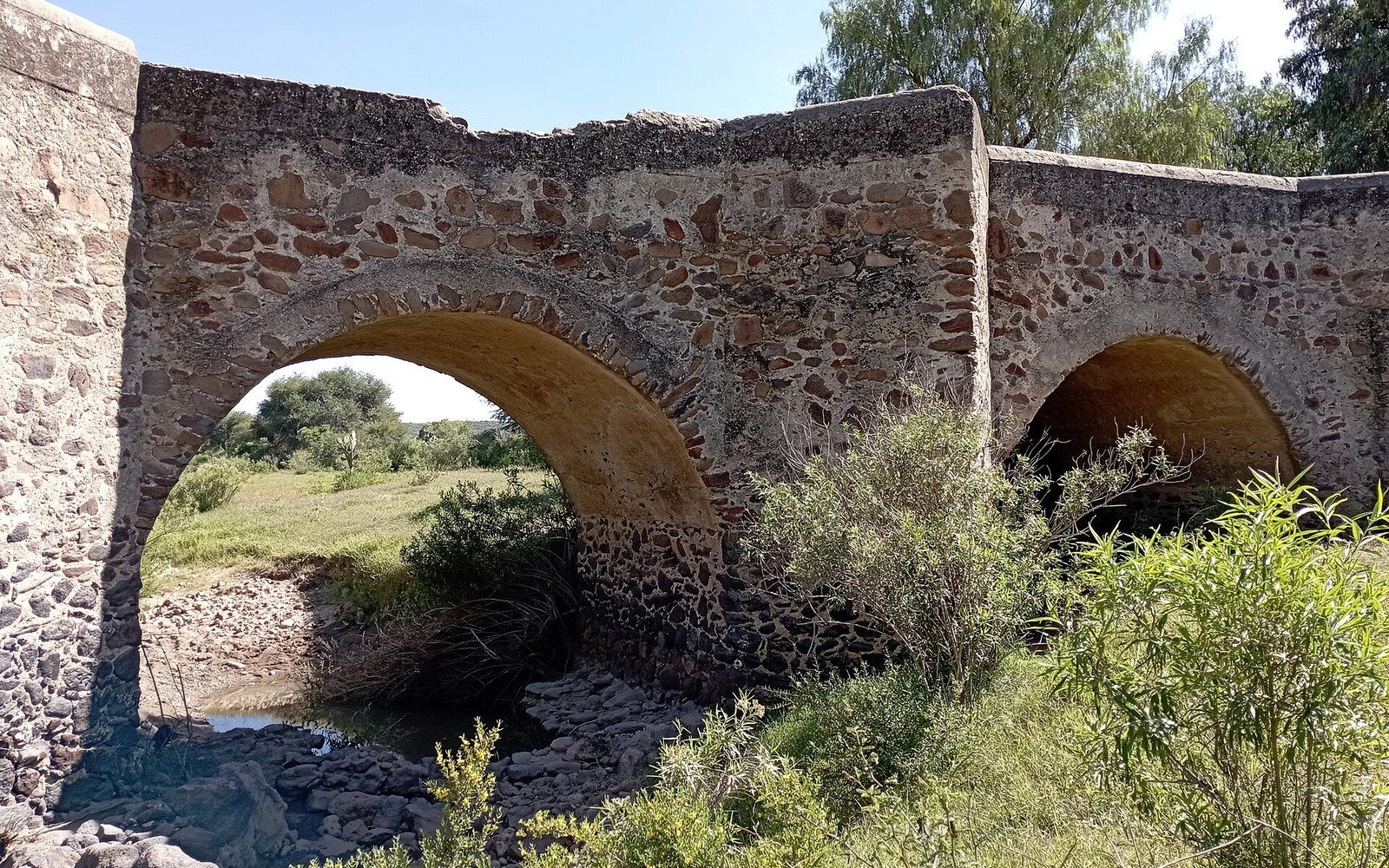
A surviving stretch of the road's masonry at the southern end of the run, in Guanajuato.
Photo: Wikimedia Commons
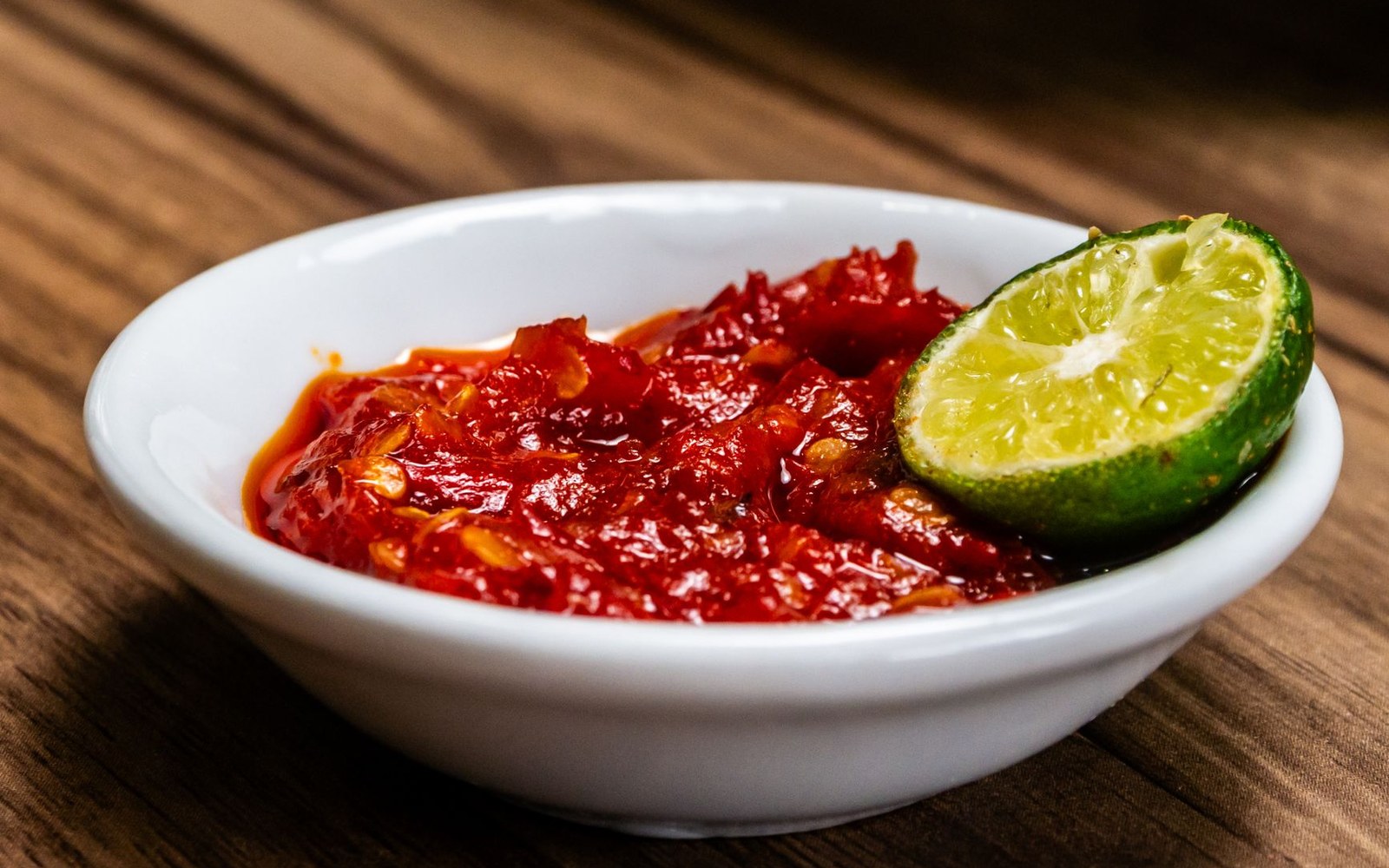
Pork came north on this road. The dish that holds it in red chile is the result.
Photo: Wahyu Prabowo / Pexels
What the Revolt Interrupted
The 1680 Pueblo Revolt drove Spanish colonists entirely out of New Mexico for twelve years. The road went quiet. Supply trains from Mexico City stopped. Livestock that colonists abandoned or left behind went feral or passed into Pueblo hands, and that redistribution — particularly of horses and cattle — reshaped Indigenous life across the region in ways historians are still measuring. When the Spanish returned under Diego de Vargas in 1692 and the road reopened, the provisioning relationship resumed, but the hiatus had demonstrated something important: Pueblo food culture had not needed the Camino Real to survive. It absorbed what was useful and remained centred on nixtamalised corn, on chile, on the three-sisters garden.
The spice transfers that came back with resettlement were more subtle. Cumin, already moving north in the first colonial wave, became more firmly embedded in meat preparations after 1692. Cinnamon — Mexican canela, the soft Ceylon variety rather than the hard cassia sold elsewhere in the United States — arrived as a baking and chocolate spice and remained: it is present in biscochito dough and in the drinking chocolate traditions that Kakawa Chocolate House in Santa Fe has worked to document and reconstruct from historical sources. Dried oregano, the Mexican variety with a flavour profile distinct from Mediterranean strains, entered the chile sauce repertoire and has never left.
A Road as a Menu
The Camino Real's food legacy is not one of displacement but of layering. Pueblo cooking absorbed livestock fat, wheat and certain spices without surrendering its own architecture. The chile that the road never needed to bring north — because it was already there, already cultivated, already dried and ground — remained the organising principle of the plate. The road added new registers to a cuisine that was older than the road itself, and New Mexico's designation of its segment of the route by the National Park Service ↗ as a National Historic Trail acknowledges a corridor whose most lasting monuments are not stone but flavour.
Also in Trails