Six Dates That Put the Food Where It Is
The food culture of Santa Fe was not assembled gradually. It was assembled by events — specific, datable ruptures that forced the city's kitchens to change what they cooked, who they cooked it with, and what was available at all. Six dates do most of the structural work.
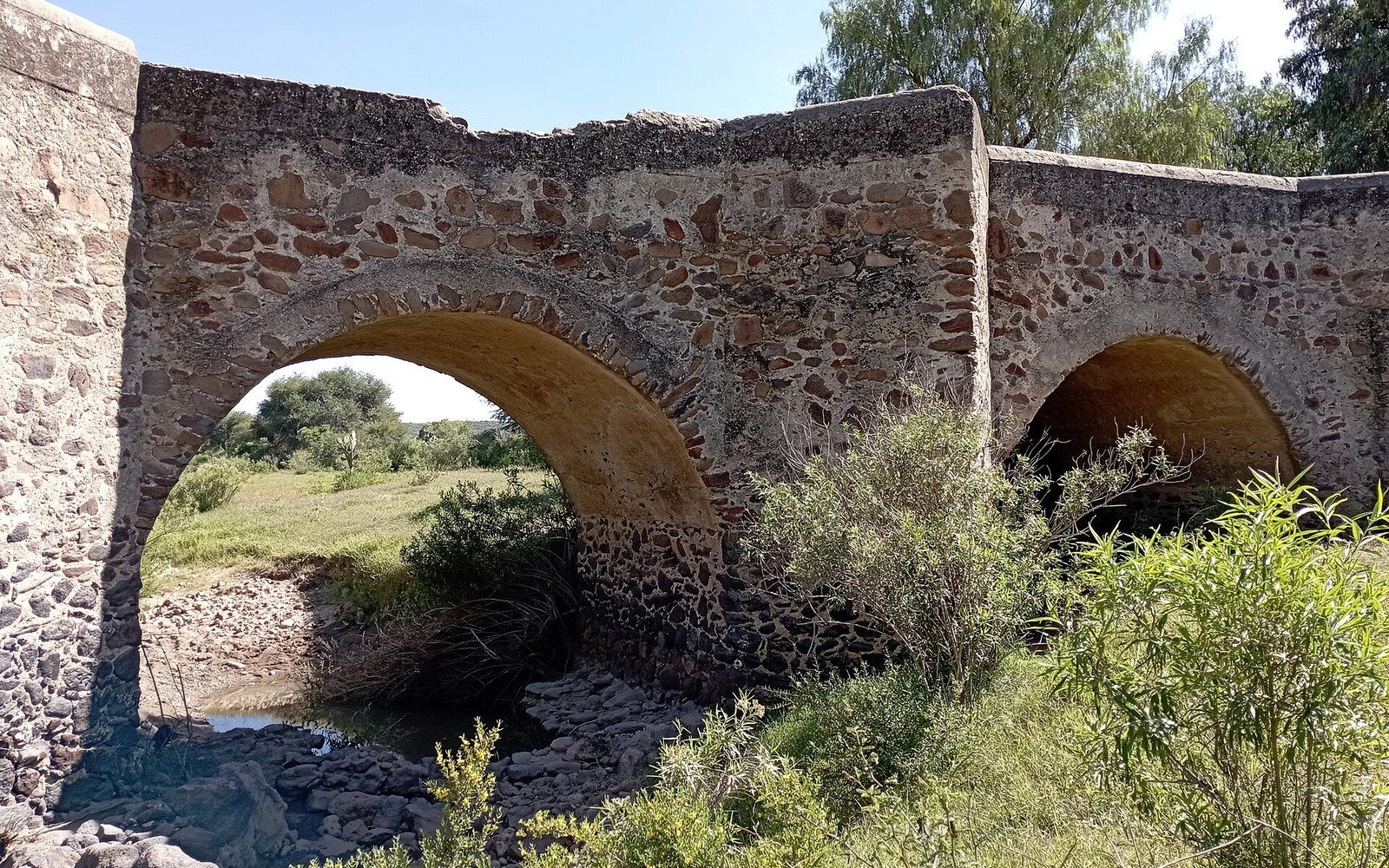
Photo: Wikimedia Commons
A chronological argument for why Santa Fe eats the way it does
1610: A Capital Needs a Supply Line
When the Spanish crown established Santa Fe as the capital of Nuevo México, the colonial administration required that food arrive overland from the south. The Camino Real de Tierra Adentro became that supply corridor, and what moved north along it set the terms of the New Mexican kitchen for the next two centuries: wheat, lard, domesticated pork, and the pigs that made carne adovada — pork slow-cooked in dried red chile paste — a colonial institution rather than a pre-contact one. The three sisters — corn, beans, squash — were already here. The Camino Real delivered everything else the converged cuisine needed to converge.
1680: The Revolt That Preserved the Seed
The Pueblo Revolt of August 1680, coordinated across the Rio Grande pueblos under Popé of Ohkay Owingeh, drove the Spanish from New Mexico for twelve years. Its food-culture consequence is counter-intuitive: the eviction protected the Pueblo agricultural base from eight decades of colonial pressure to displace it. Heirloom corn strains, landrace chiles, and the acequia irrigation networks the pueblos had adapted from Spanish practice all survived the interregnum more intact than they would have otherwise. When the Spanish returned under Diego de Vargas in 1692, they returned to an Indigenous food system still structurally intact — which is why the Chimayó chile heirloom the northern valleys still grow has a lineage that long predates the 20th century and was kept going by northern valley farmers.
1821: Flour Arrives in Bulk
The Santa Fe Trail opened in 1821, linking Missouri to the Plaza through 900 miles of prairie and desert. Its immediate food-system effect was commercial wheat flour at a scale the Camino Real had never achieved. Wheat flour's arrival did not displace corn; it layered on top of it, making the sopaipilla — a fried leavened bread served alongside savoury dishes — practical for domestic and commercial kitchens alike, and giving Christmas tamale production a richer, more varied surrounding table. The trail also brought Anglo American traders whose tastes for beef and preserved goods left a faint but permanent mark on the territory's provisioning economy.
1912: The State Fixes Its Identity
New Mexico's statehood in 1912 came decades after most of its neighbors, which meant a long territorial period during which New Mexican food culture consolidated without being formally institutionalized. After 1912, that changed incrementally. State agricultural stations funded research that would eventually produce Fabián García's standardised chile cultivars at the New Mexico College of Agriculture and Mechanic Arts — work that gave commercial growers a consistent, shippable product and gave the state a codified chile identity to export. Statehood created the bureaucratic infrastructure that made a chile-breeding programme fundable.
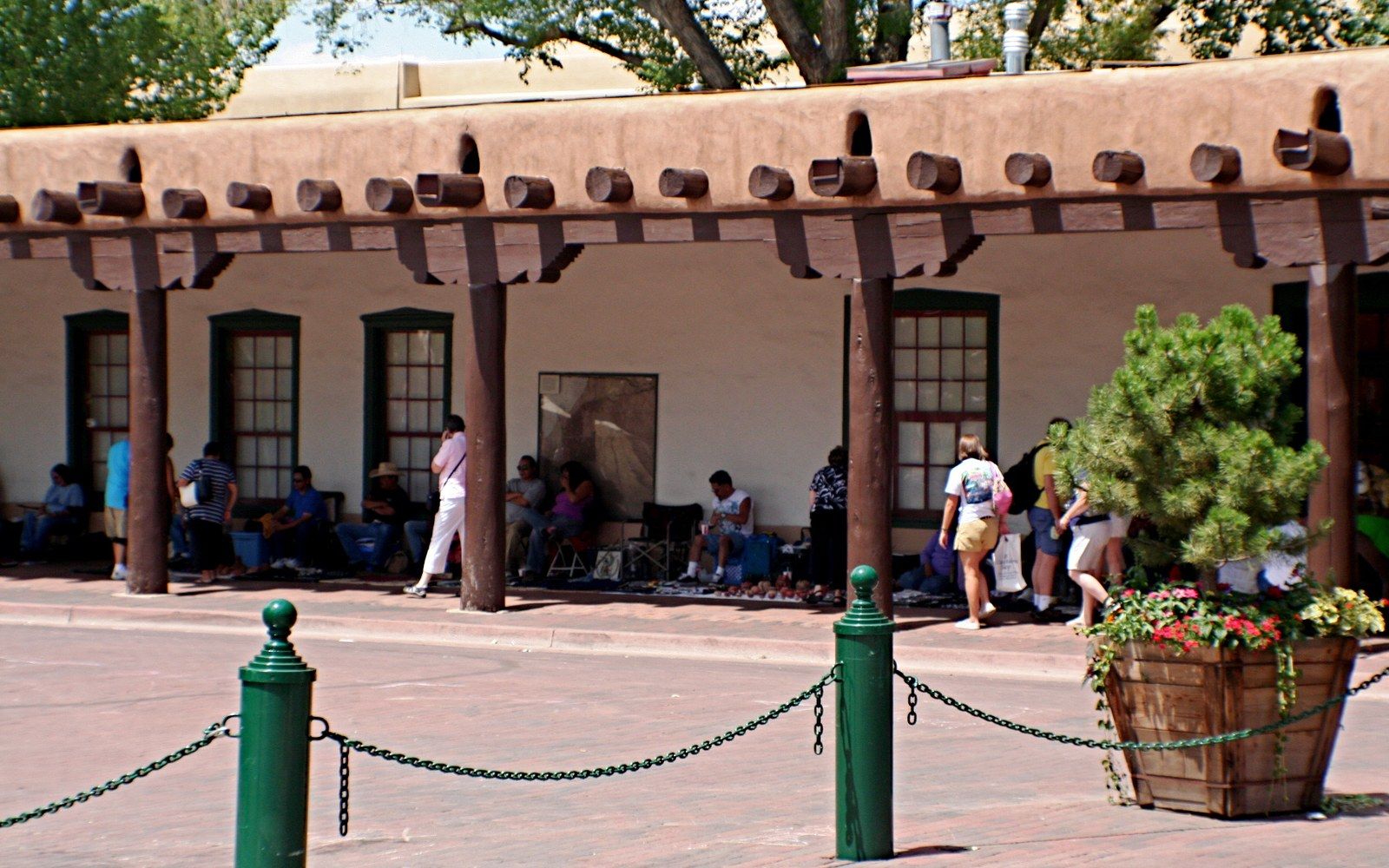
1610: the Palace goes up on the north side of a plaza that has been a market ever since.
Photo: Wikimedia Commons
1943: Los Alamos Imports an Appetite
The establishment of the Manhattan Project's Los Alamos laboratory in 1943 introduced several thousand scientists, engineers, and their families to a remote mesa above the Rio Grande — most of them from Eastern and Midwestern cities, with no existing relationship to New Mexican food. Their encounter with green chile was often their first, and their appetite for it was substantial. The demand this community generated contributed to the expansion of chile agriculture in the Hatch Valley and accelerated the domestic normalization of green chile on the plate, helping establish the custom that would eventually require a formal legislative answer.
1996: The Legislature Intervenes
That answer came in 1996, when the New Mexico Legislature made "Red or Green?" the official state question — a codification of what had been a table ritual for decades. The measure officially recognized the choice between red and green chile sauce as a defining act of New Mexican identity. It also, usefully, legitimized "Christmas" as a valid answer. No other American state has legislated a food preference into a greeting. That New Mexico did so is the documentary endpoint of a process that began in 1610 and ran through every rupture listed above.
The six dates are not a timeline. They are load-bearing moments — each one redirected something the next generation cooked.
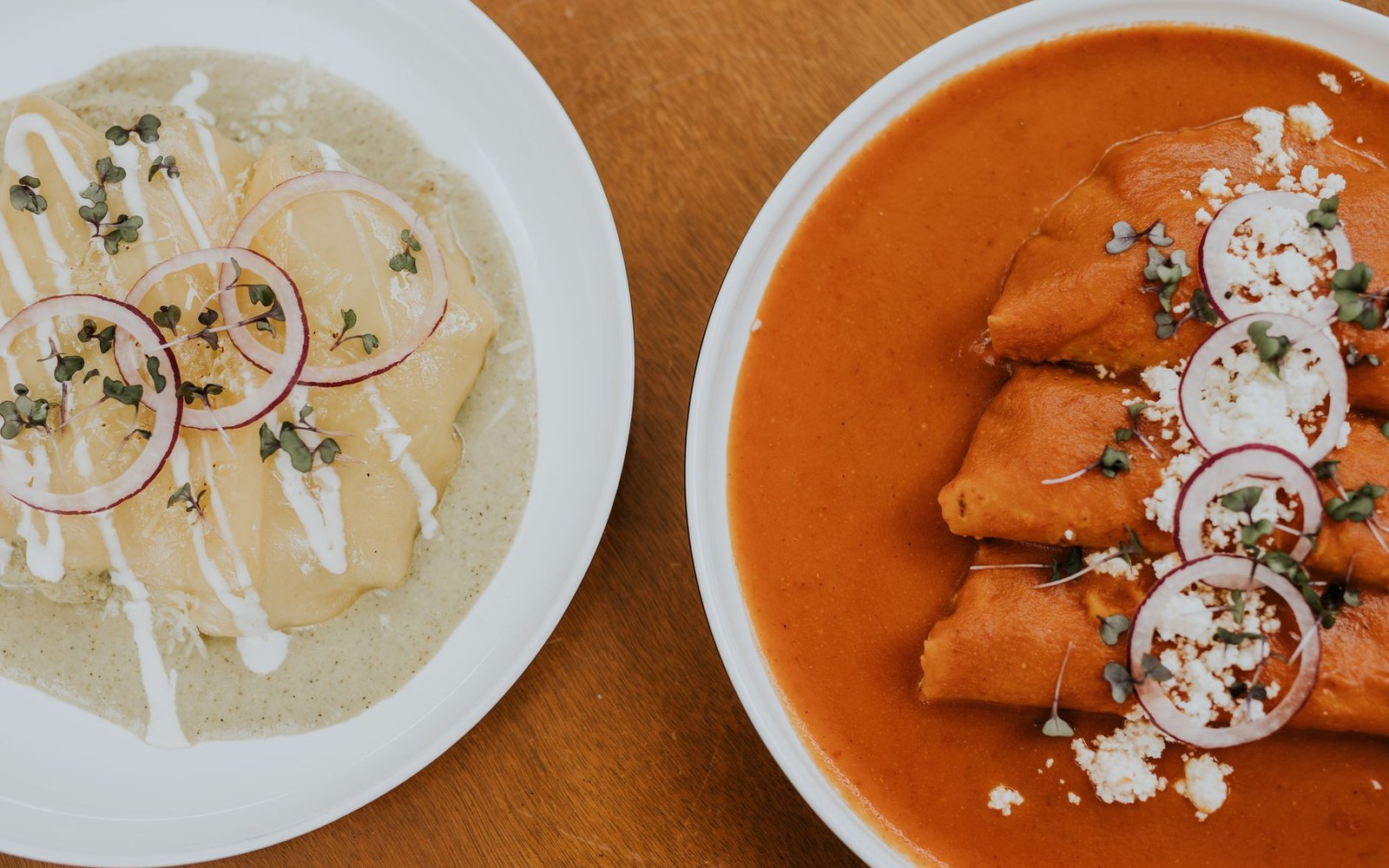
1996: the legislature makes the question official, and every menu in the state acquires a footnote.
Photo: Amar Preciado / Pexels
Also in Trails