The Santa Fe Trail Arrived in 1821 and Brought Wheat Flour With It
A single year of open trade changed what New Mexican cooks had in their pantry — and left a mark on three dishes that are still on every table.
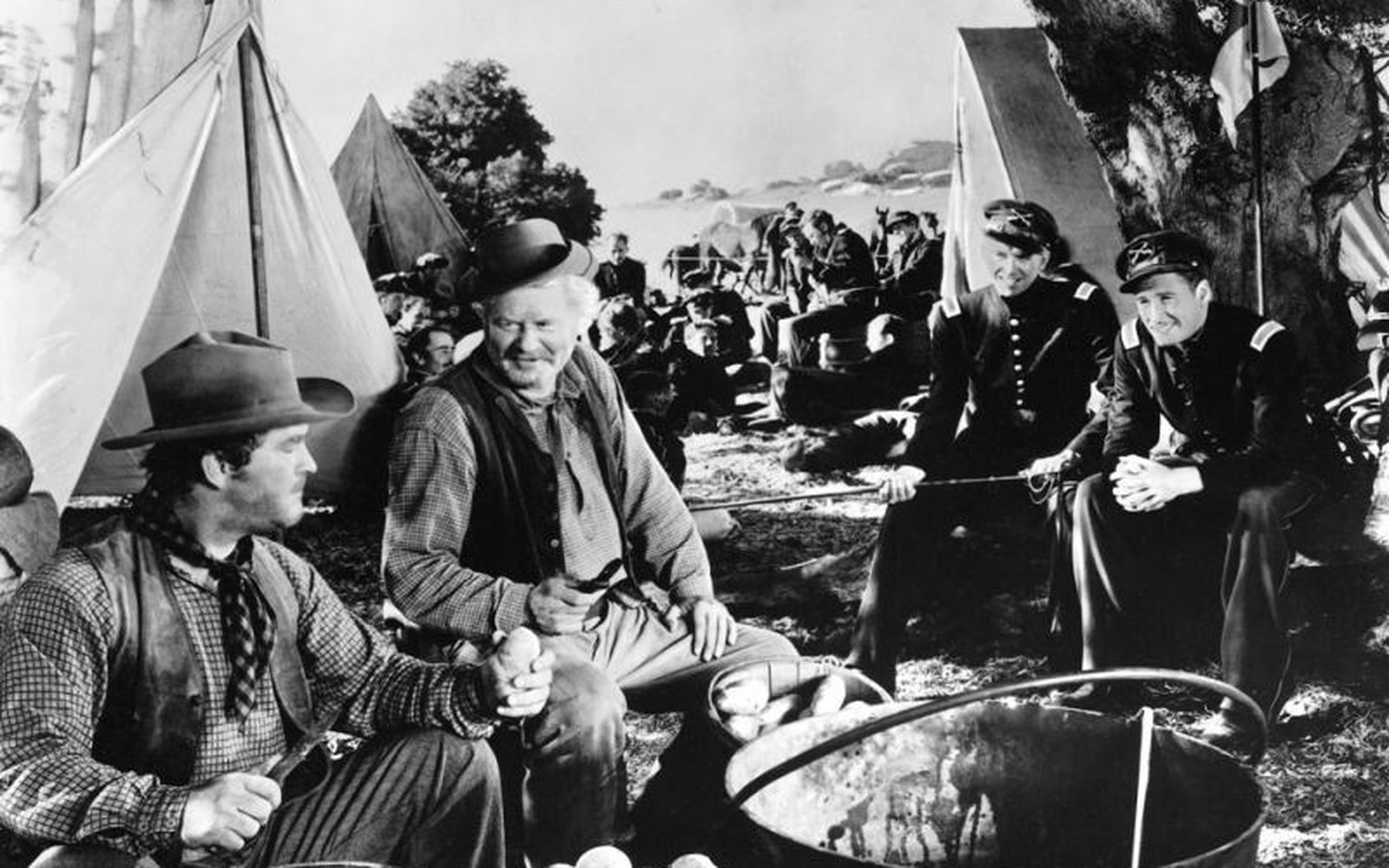
Photo: Santa Fe Trail 2 · Wikimedia Commons
The Year the Wagons Came
When William Becknell reached Santa Fe in November 1821, he was following a route that would be formally designated the Santa Fe Trail ↗ — roughly 900 miles of prairie and mountain crossing from Missouri to the New Mexican capital. He arrived within months of Mexican independence, which had dissolved the Spanish prohibition on American commerce. The timing was not coincidental: traders had been watching that border for years.
What the wagons carried mattered more than the route itself. Among the early commercial freight were bolts of American cloth, tools, and — in quantities that had not reached Santa Fe by the older southern corridor — milled wheat flour. The Camino Real de Tierra Adentro had always been the slower road, constrained by desert crossings and a supply chain that served the colonial administration first and the kitchen second. The Trail from Missouri was faster, and its traders were selling directly into a market hungry for dry goods.
What Changed in the Pantry
Wheat had been cultivated in New Mexico since the Spanish colonial period, ground at local molinos and used selectively in convent and church baking. But access was uneven, milling was local and variable, and corn — nixtamalised or otherwise — remained the dominant carbohydrate. Commercial quantities of consistent milled flour changed the arithmetic.

Wheat flour made this possible. Before 1821 the bread here was corn.
Photo: Litoon dev / Pexels
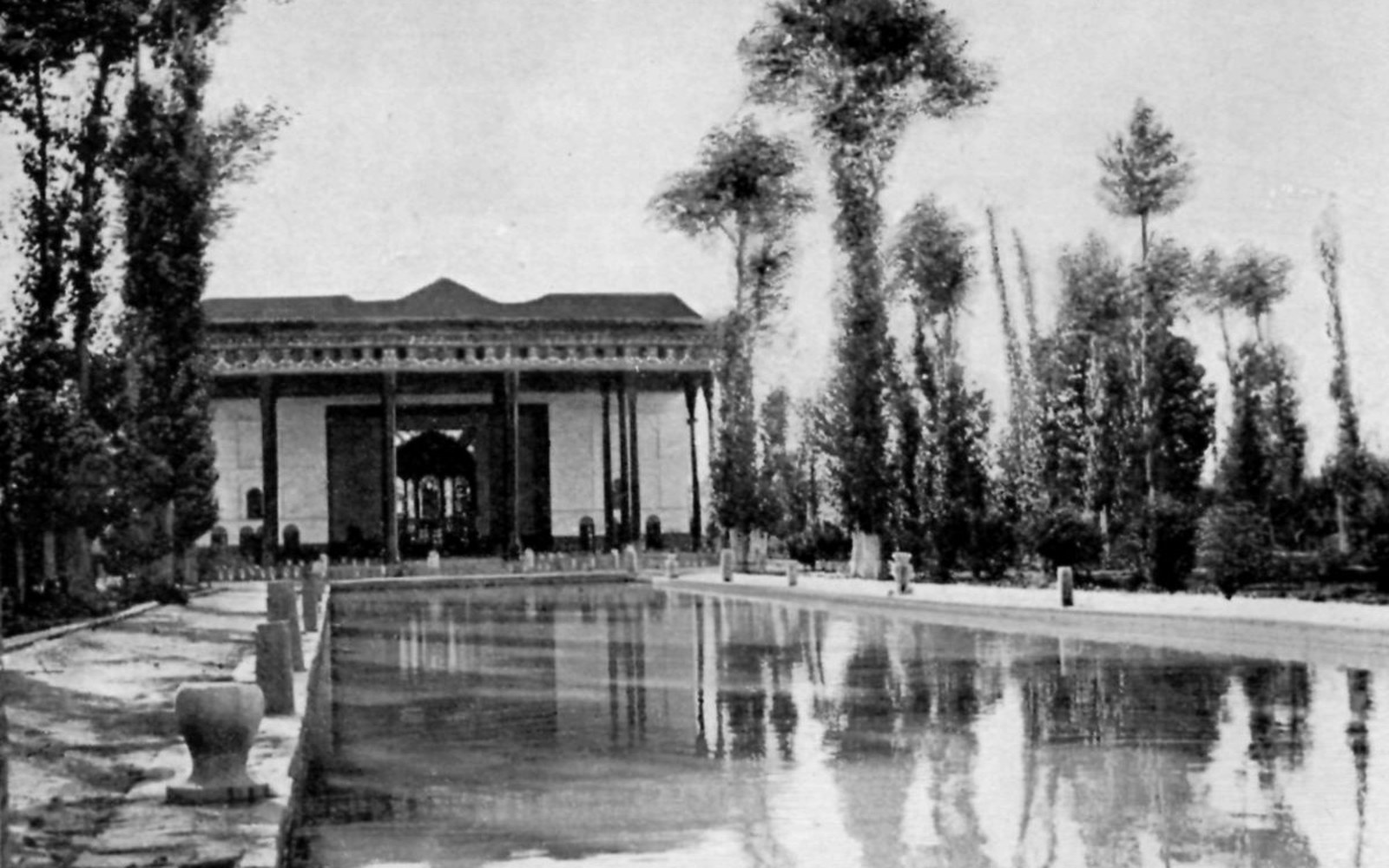
The Plaza was the terminus, so freight came off the wagons where the market already stood.
Photo: Wikimedia Commons
The sopaipilla, New Mexico's fried leavened bread eaten alongside savoury plates and dressed with honey, depends on refined wheat flour for the steam-pocket that makes it puff. Its precise origin is debated, but food historians place its familiar form firmly in the post-Trail period, when commercial flour became reliably available in the capital. The biscochito — the anise-and-cinnamon lard shortbread that the New Mexico Legislature designated the official state cookie in 1989 — had Spanish colonial antecedents, but the consistent, fine-ground flour that made its texture reproducible at scale arrived with the trade era. Even the wheat-flour tortilla, already present but subsidiary to corn in northern New Mexico, gained ground as the flour supply deepened.
None of this erased the corn tradition. Posole, atole, blue-corn enchiladas and the three-sisters agricultural base remained exactly where they were, rooted in Pueblo practice that no trade route disrupted. What the Trail introduced was abundance and consistency in a second grain — enough to shift what a cook could reliably expect to find, and therefore what a cuisine could reliably build.
The 1821 date marks a political border crossing and a pantry event at once. The flour arrived, and the baking changed.
Also in Trails