The Green Chile Cheeseburger Has an Official Trail and a Governing Logic
A strip of roasted green chile is not a condiment — and the state of New Mexico has opinions about this.
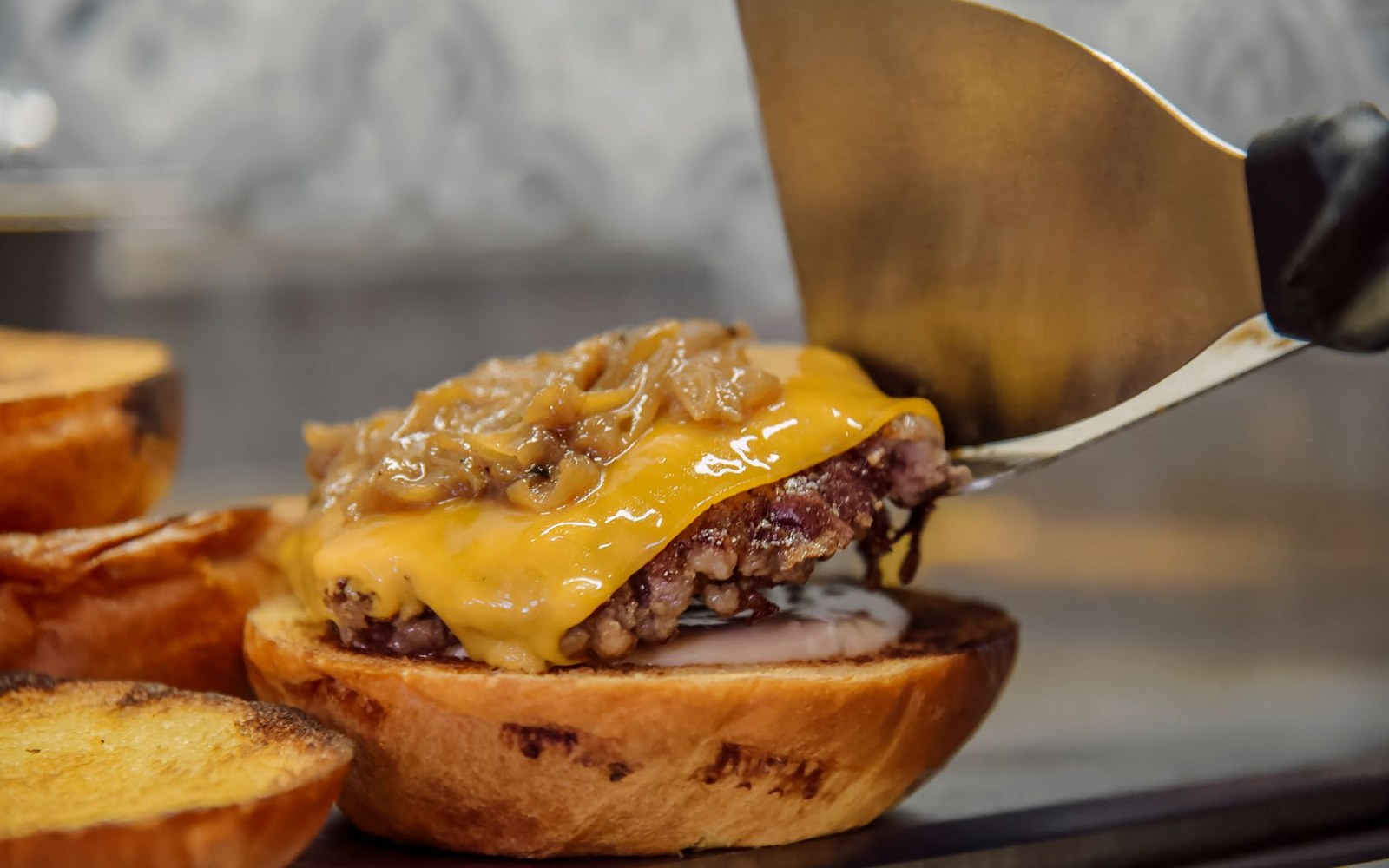
Photo: Xhemi Photo / Pexels
What makes it a different object
The green chile cheeseburger is not a hamburger with green chile on it the way a bacon cheeseburger has bacon on it. The chile is structural. A roasted, peeled strip — almost always Hatch or Chimayó heirloom, though the Hatch type dominates at scale — goes on while the patty is still on the griddle, so its residual steam and heat finish the cheese melt from above. The result is a unified layer, not a topping that slides off. Remove it and the burger is missing its sauce, its heat, and the smoky char that does the same work that mustard and relish do elsewhere.
The beef matters too. New Mexico has a ranching tradition predating statehood, and the better examples of the dish use coarse-ground beef from animals finished on the high-desert pastureland around the state. The patty is generally thick, the bun soft enough to compress without shattering — a structural requirement when the chile adds moisture. There is nothing subtle about the format.
The trail and what it documents
New Mexico Tourism Department administers the New Mexico Green Chile Cheeseburger Trail ↗, a mapped, opt-in registry of establishments across the state serving the dish. The trail does not rank or certify quality — it documents presence. A roadside diner in Hatch and a sit-down restaurant in the Railyard District of Santa Fe can both appear on it, and both do. That catholicism is the point: the trail argues that the green chile cheeseburger is a statewide form, not a local specialty confined to one valley or city.
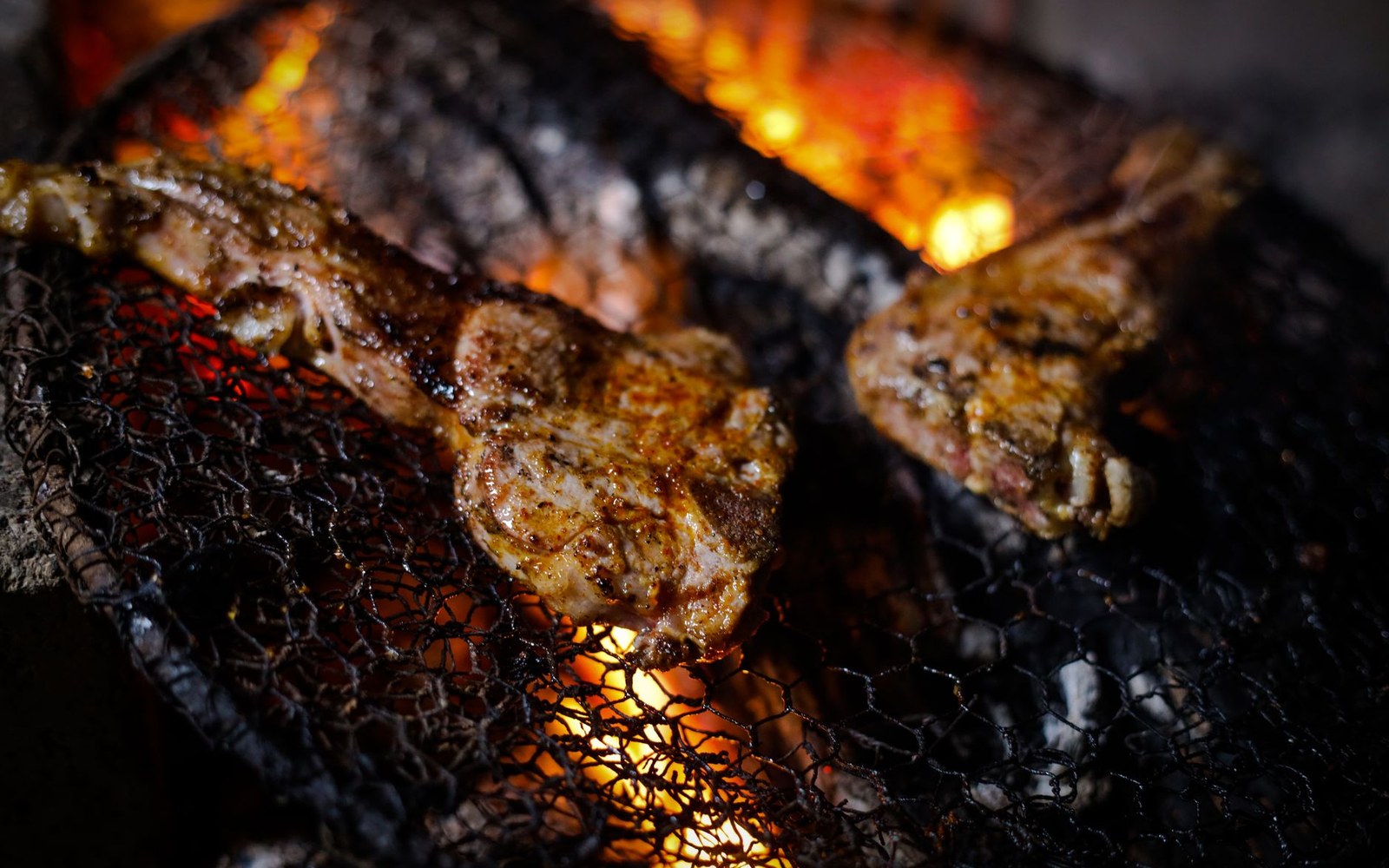
Roasted, peeled, chopped: the chile is finished before it ever meets a griddle.
Photo: Thomas Chauke. / Pexels
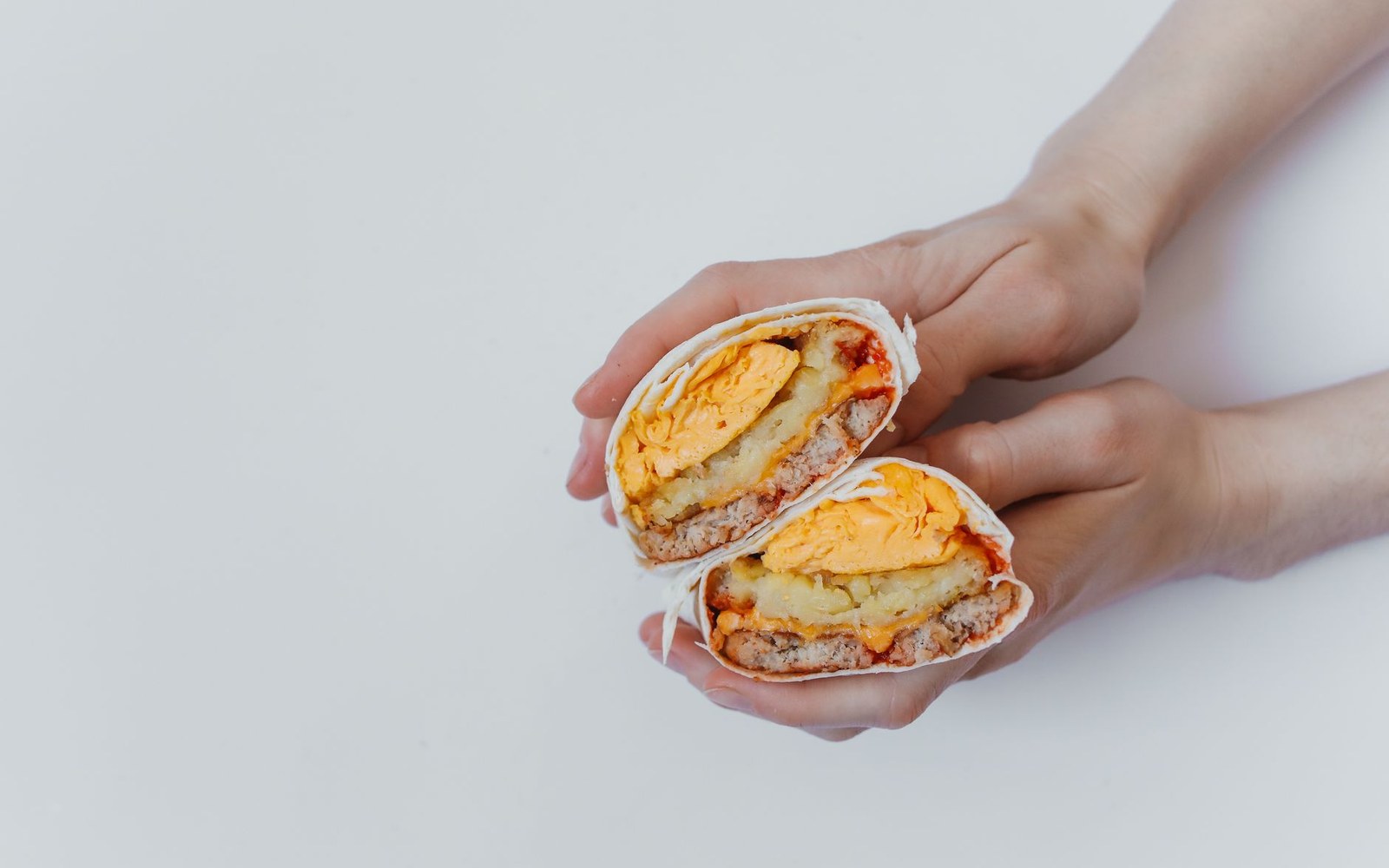
Same chile, different vessel. The state's two most-claimed dishes are both arguments about delivery.
Photo: Polina Tankilevitch / Pexels
The state's interest in the dish is more than promotional. The dish belongs to a culinary identity that the state has long treated as worthy of official recognition. The legislature's willingness to act on food symbolism — the biscochito got there first, in 1989 — reflects how seriously the state treats its culinary identity as a matter of public record rather than restaurant marketing.
What the trail cannot do is fix the dish. The chile used varies by season and supplier; a green chile cheeseburger in October, made with fresh-roasted pods from the September harvest, is a different object from the same burger assembled in April from frozen stock. Both are legitimate. The form absorbs that variation the way any regional staple does — by being defined by its logic rather than its exact ingredients.
Also in Dishes