Sopaipillas: The Honey Is Not Optional
A sopaipilla — a pillow of leavened dough fried until it puffs and blisters — arrives at the New Mexico table as a matter of course, alongside the plate rather than on it. It is not a dessert, not an afterthought, and not a side in the way a dinner roll is a side. It is a functional presence: the honey that comes with it exists to manage capsaicin heat, and anyone who sets it aside is misunderstanding the meal.
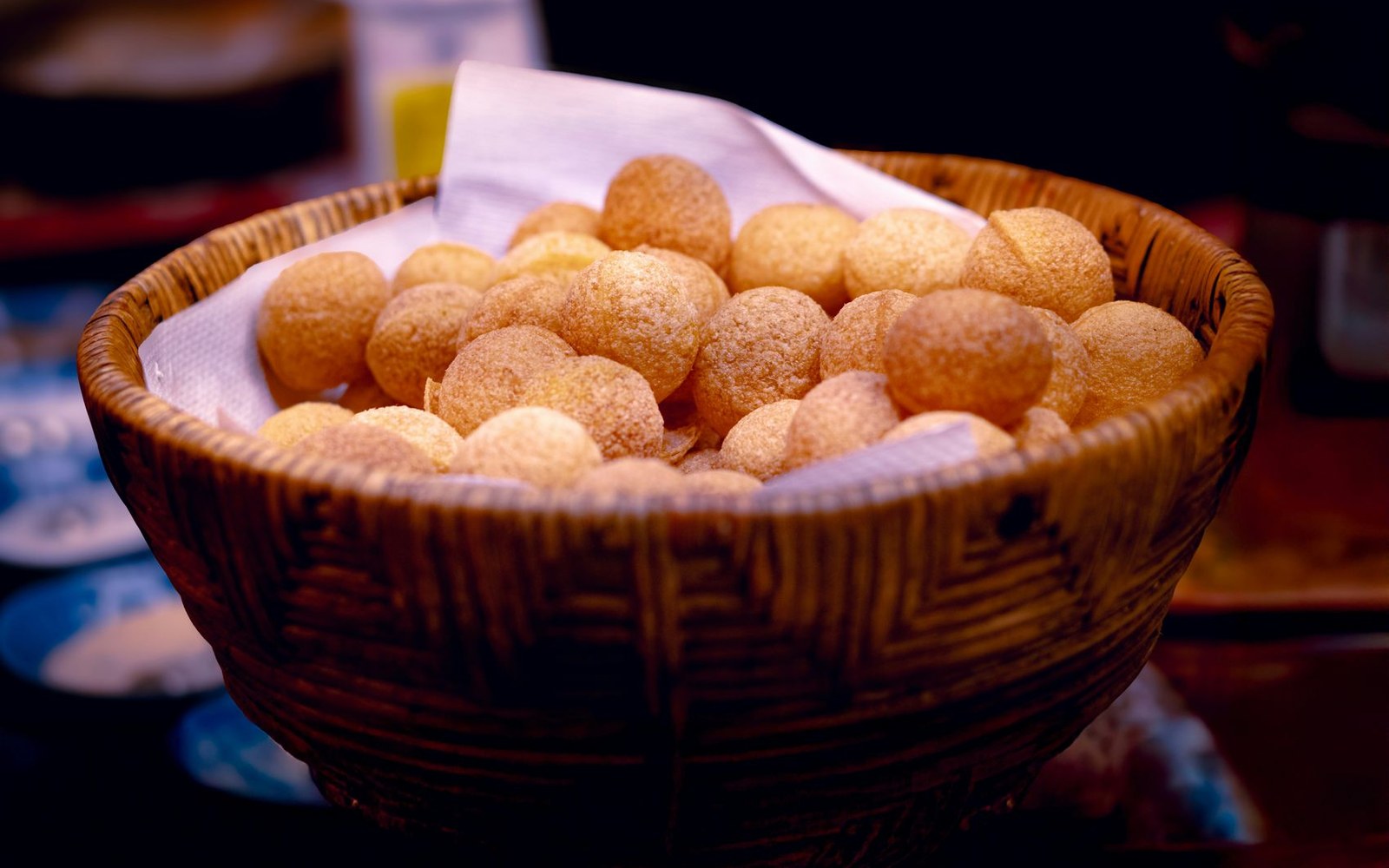
Photo: Litoon dev / Pexels
The bread that shows up without being asked for
The word causes confusion because it travels. Chilean and Argentine sopaipillas are flat, unleavened rounds made with squash or plain flour, fried in fat and eaten with pebre or chancaca syrup — a coherent tradition in its own right, but a different thing entirely. New Mexico's version ↗ uses a leavened wheat dough, the puff produced by steam expanding inside the dough's layers as it hits hot oil. The result is hollow, crisp-walled and light, capable of being torn open and filled or eaten whole with honey drizzled inside.
Wheat flour, it bears noting, arrived in New Mexico via the Camino Real de Tierra Adentro — the colonial supply road that brought Spanish livestock, grain and culinary practice north from Mexico City into the Río Grande valley over the course of the seventeenth century. Leavened fried breads have antecedents in Spanish colonial cooking across the Americas, though the specific New Mexican form, tethered to the savoury plate and served with liquid honey, is regional and particular.
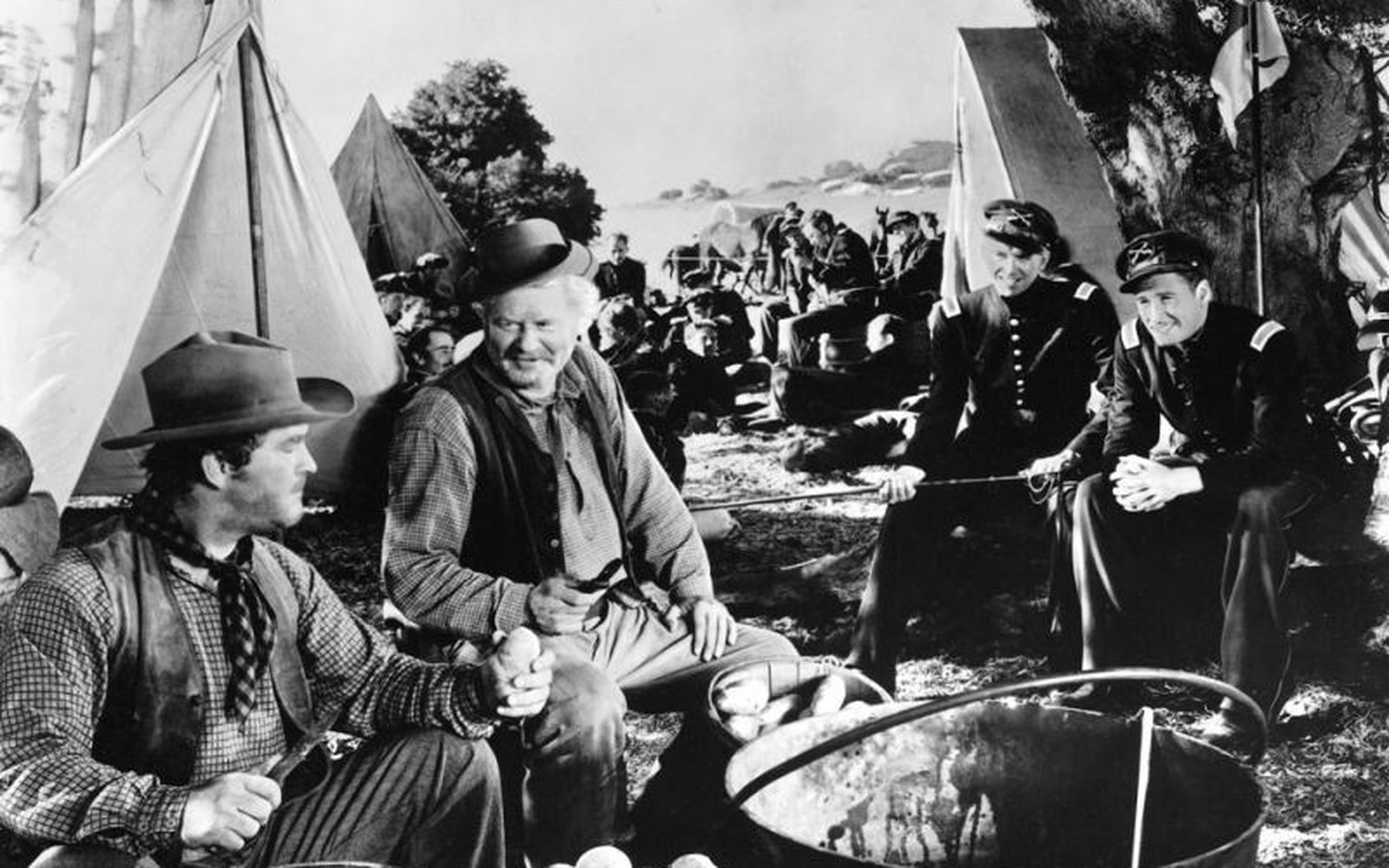
Wheat flour came north by wagon along the Camino Real. The fried bread follows directly from the freight.
Photo: Santa Fe Trail 2 · Wikimedia Commons
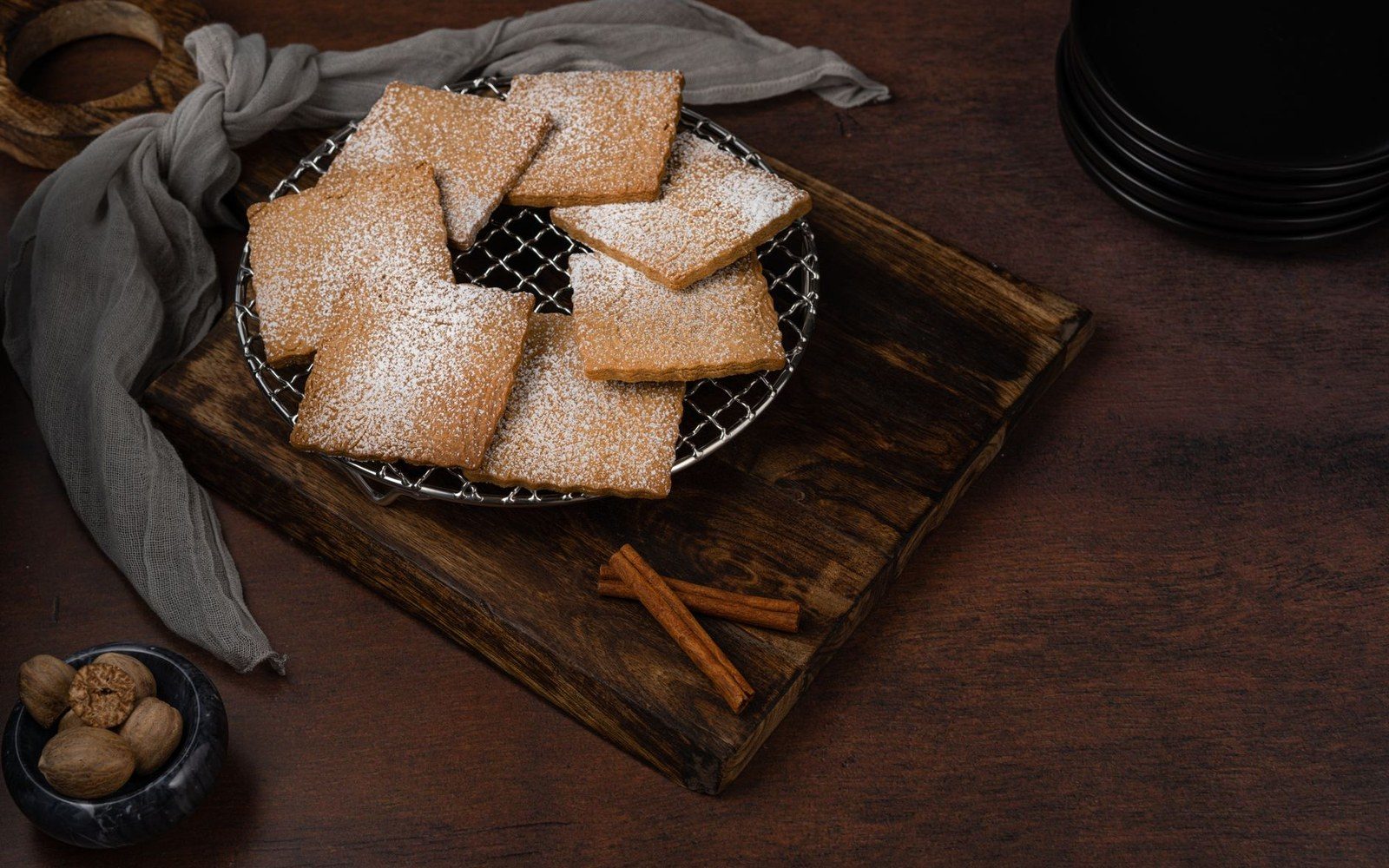
The same flour and the same lard, put to a different verdict about sugar.
Photo: Skyler Ewing / Pexels
The honey pairing is not sweetness for its own sake. Capsaicin, the alkaloid compound that produces heat in chile peppers, binds to the same pain receptors regardless of how much water follows it; sugars and fats, however, help clear the compound from those receptors and redistribute it. Honey — fat-adjacent in its coating action, high in fructose — provides genuine physiological relief between bites of green chile or carne adovada. The New Mexico table puts heat and honey in the same breath because that is how the food actually works.
What makes sopaipillas distinctly New Mexican in the popular imagination is also what makes them easy to flatten into kitsch: the ristra-and-turquoise visual shorthand of tourist Santa Fe has folded them in alongside the decorative. The bread itself, though, is honest. It requires hot oil, properly leavened dough and the confidence to let it puff without pressing it down. In restaurants from Tomasita's on Guadalupe Street to family tables in the North Río Grande villages, the basket arrives as it always has — warm, fragrant and expectant — and the honey goes inside.
Also in Dishes