Tamales at Christmas: A Calendar That Pre-dates the Calendar
Masa-wrapped, steam-cooked, and eaten by the dozen every December — the New Mexico Christmas tamale answers to a schedule older than the holiday itself.
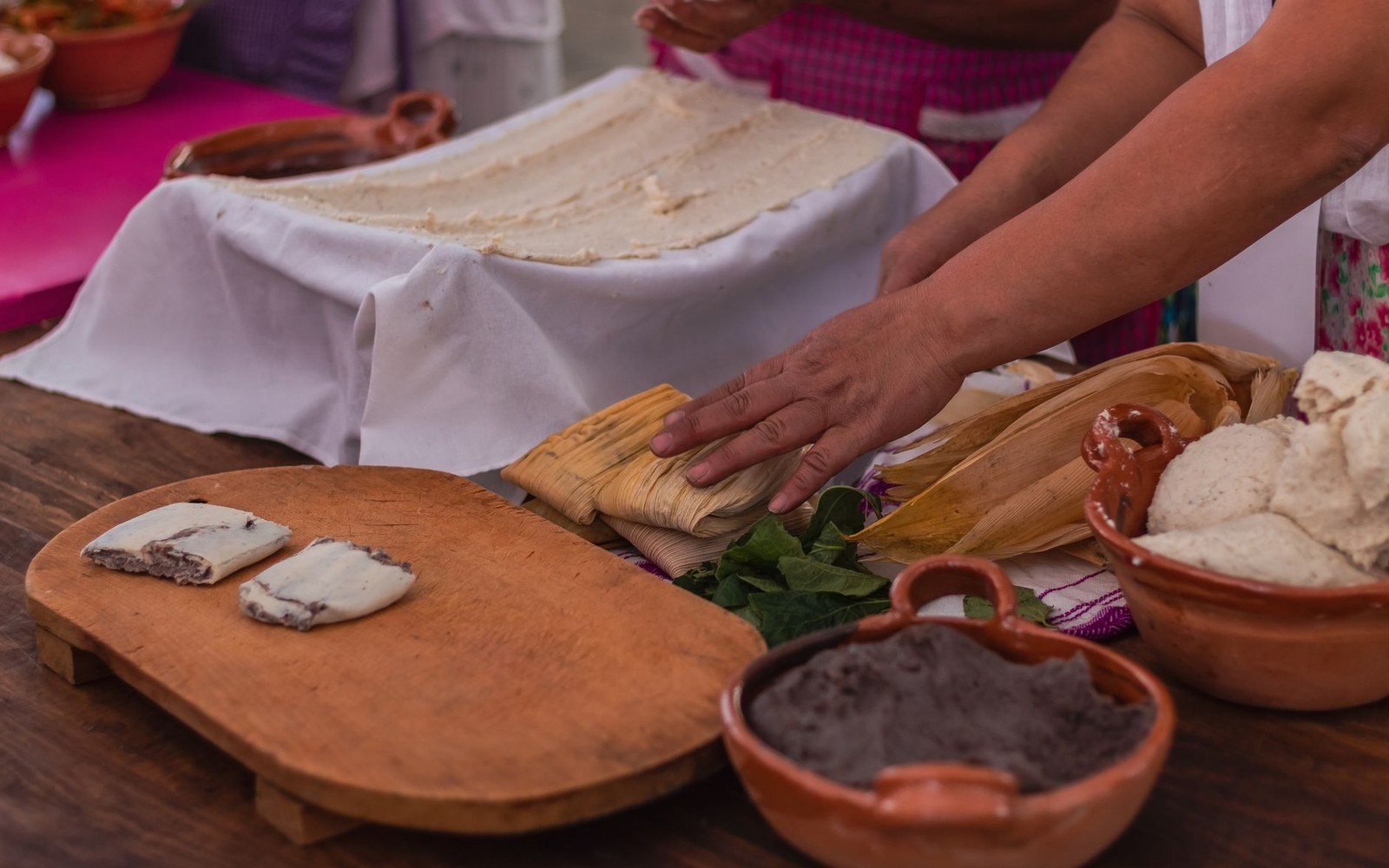
Photo: Oscar Damián Jiménez / Pexels
Why December, and Why Corn
Long before a Christian feast fixed the date, the peoples of the Rio Grande Pueblo world marked the winter solstice as a moment when stored food became communal food. The harvest was in, dried corn had been nixtamalised and ground, and the act of feeding a gathered household carried its own ceremony of season. When Spanish colonial settlers arrived along the Camino Real de Tierra Adentro and brought a December feast of their own, they also brought the tamale — a Mesoamerican preparation already centuries old — and the two calendars fused around the same week of the year without either displacing the other.
The tamale itself is one of the oldest prepared foods in the Western Hemisphere. Evidence of masa-filled corn husks appears in archaeological and ethnobotanical records across Mesoamerica ↗ that predate contact by well over a millennium. The form that reached New Mexico by the colonial period was already a traveler: shaped by the markets and kitchens of central Mexico, modified along the northern trade routes, and received into a region where corn was not an import but the foundational crop of every settled community between Taos Pueblo and Isleta.
The Making as the Event
In New Mexico, the Christmas tamale is inseparable from the tamalada — the collective making session, most often over one or two days in mid-December. The ritual logic is straightforward: a tamale is labour-intensive enough that no single cook should absorb it alone, and a household quantity is always measured in dozens, never ones. Extended families divide the tasks by tradition: soaking and spreading the masa, preparing the filling, folding and tying the husks, loading and monitoring the pot. The specific assignment of who does what tends to be inherited and not negotiated.
The New Mexico version of the tamale differs from those of central Mexico in ways that reflect local materials. Red chile — the same dried pods whose cultivation at Chimayó and in the Hatch Valley shaped the state's agricultural identity — is the dominant flavouring in the filling. Pork, rendered down and combined with a paste of dried red chile, is the most common interior, placing the tamale in close kinship with carne adovada, that other slow application of chile to pork that defines the Spanish colonial livestock tradition of the region. Some families use green chile or incorporate olives, a colonial-period addition that persists in northern New Mexico as a quiet remnant of Spanish domestic cooking.
The masa itself is made from nixtamalised corn: dried kernels soaked in an alkaline lime solution to loosen the hull and unlock nutritional value that raw corn cannot deliver. In northern New Mexico, some families still stone-grind their own masa from dried dent corn, though commercial masa harina has been the practical standard for several decades. The quality variable that matters most is the fat — traditionally lard, which produces the yielding, slightly crisp texture that commercial shortening does not replicate — and the broth worked into the dough until the masa floats a small piece on water, the traditional test for readiness.
Fixed to a Specific Week
The December timing is not merely cultural habit. It corresponds to the end of the agricultural year in a region where the growing season runs roughly from late April to early October, and where dried and stored ingredients — chiles, corn, beans — are at their most plentiful in the weeks immediately after the harvest closes. The New Mexico State University Cooperative Extension Service has documented the persistence of traditional food preparation in northern New Mexico communities precisely because the seasonal logic that created these patterns is still operative: fresh ingredients are available in summer, preserved ingredients drive winter cooking, and the tamale belongs to the preserved-ingredient season.
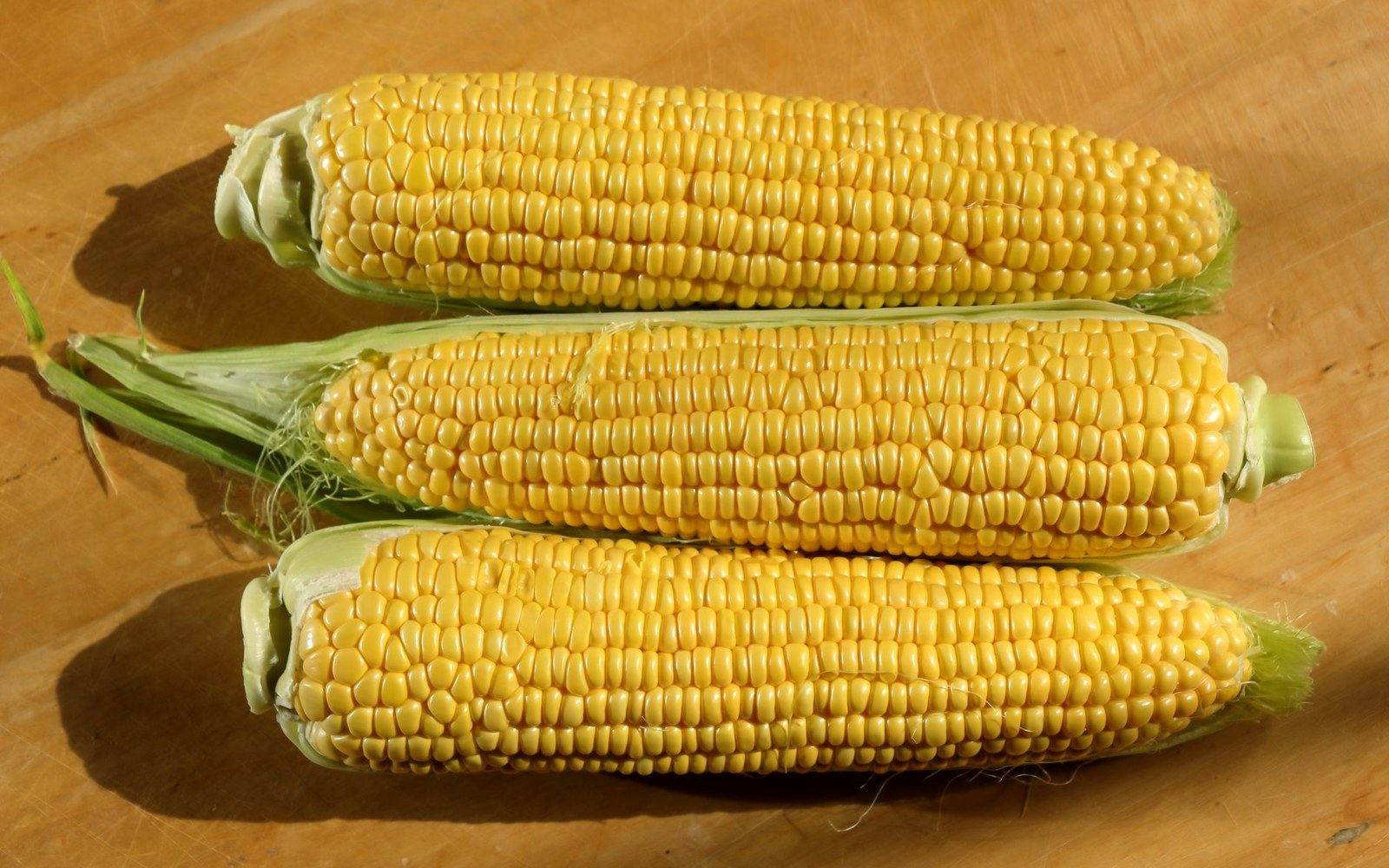
Masa spread on the husk by hand. The work divides by station rather than by recipe.
Photo: Mustafa Akın / Pexels
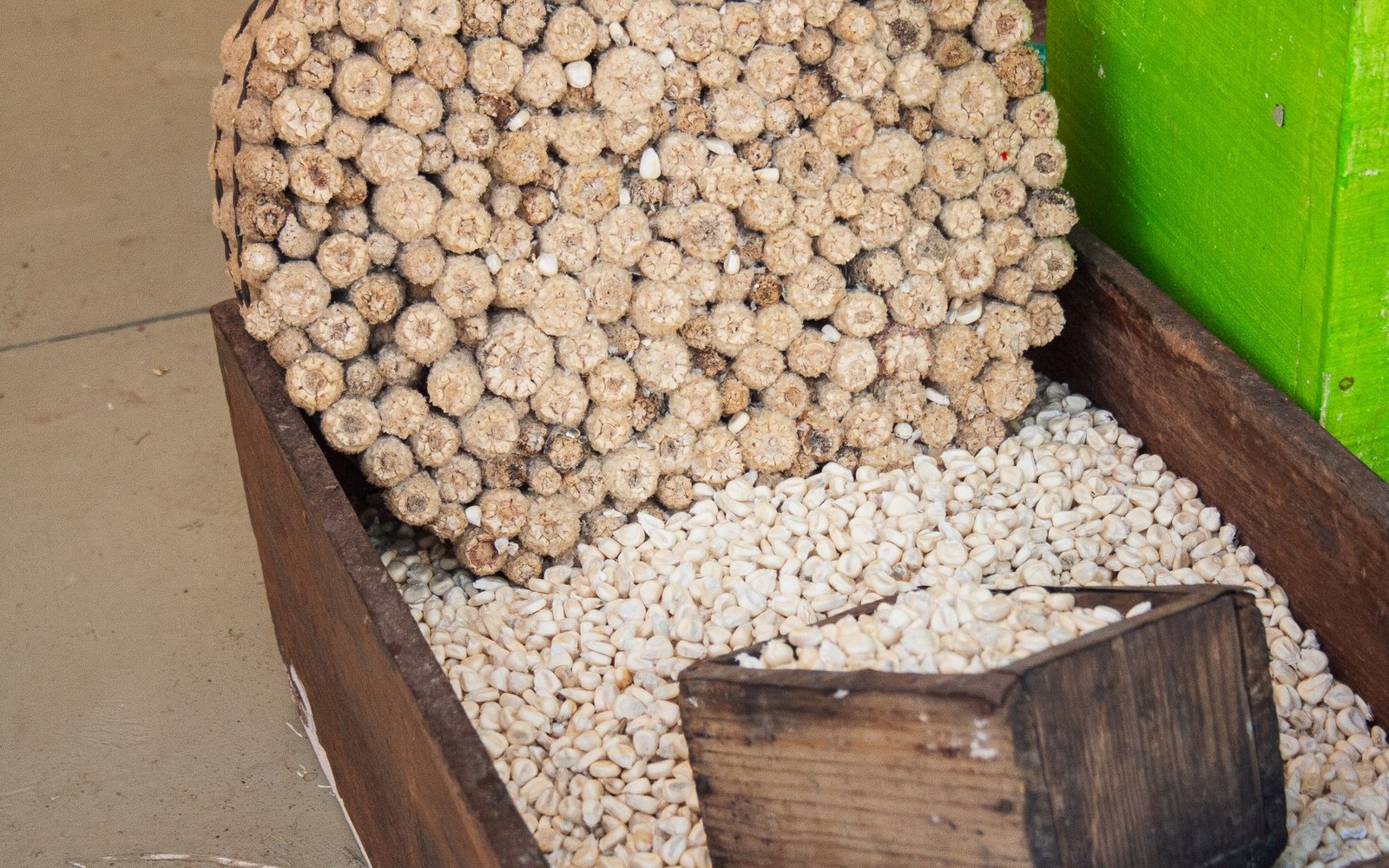
The other December dish, from the same corn, prepared the opposite way.
Photo: Noemí Jiménez / Pexels
Christmas week in Santa Fe and across the northern Rio Grande valley carries the tamale in a way no other occasion does. It is present at the holiday table as a matter of expectation strong enough that its absence is marked and explained. That kind of cultural weight does not accumulate in a generation; it accumulates when two food traditions, each with deep investment in corn and in the ritual feeding of a gathered community, converge on the same week and decide, without discussion, that this is what December tastes like.
Also in Dishes