Three Sisters, One Ditch: Pueblo Agriculture Before and After Contact
The corn, the beans and the squash were already in the ground. The Spanish brought a name for the ditch.
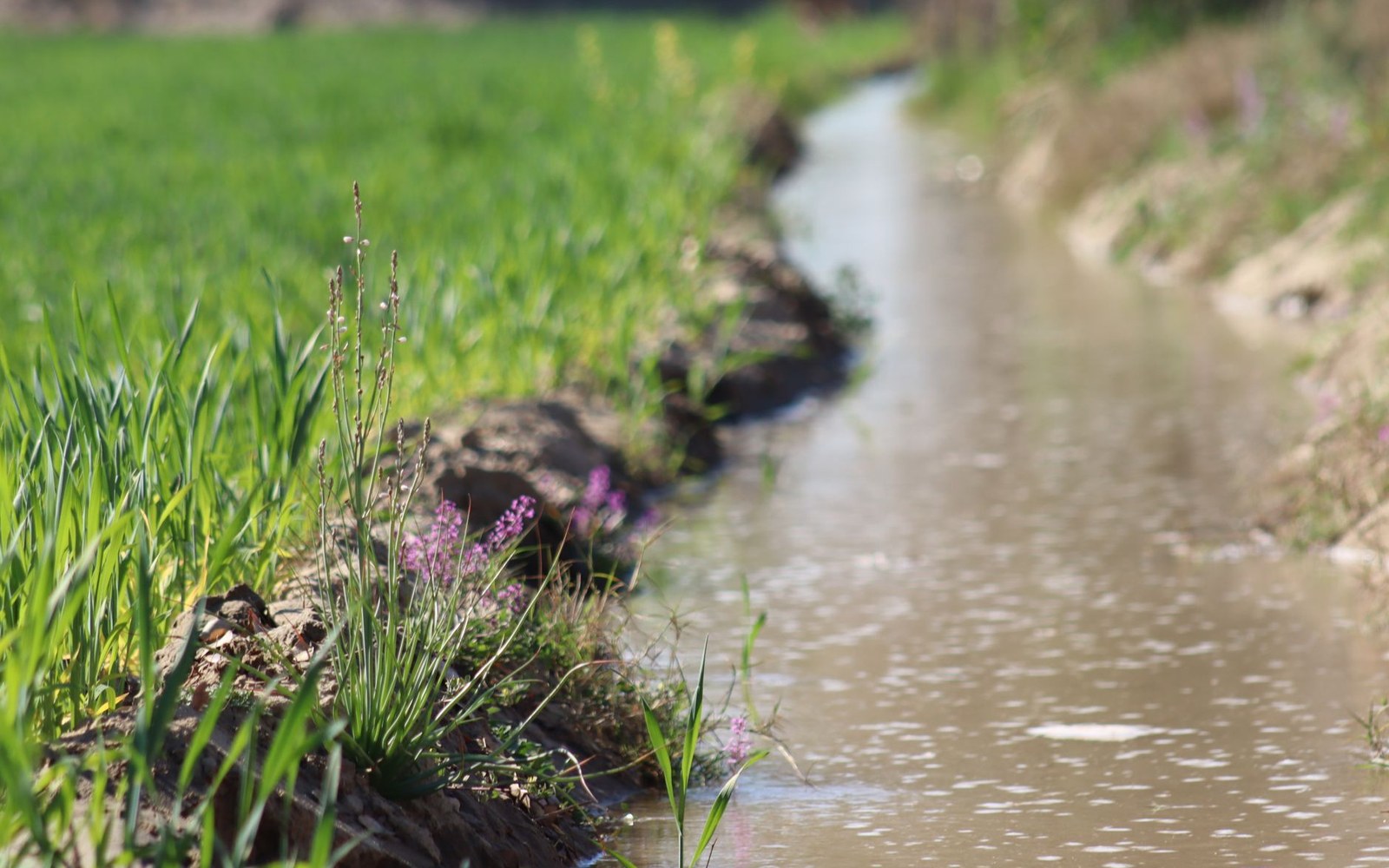
Photo: Dr Photographer / Pexels
A System Already Running
Long before the Camino Real de Tierra Adentro reached the Río Grande valley, Pueblo farmers in what is now northern New Mexico were working a sophisticated agricultural system built on two interlocked foundations: companion planting and controlled water. The three sisters — corn, beans and squash — were not a folk metaphor but a precise ecological arrangement. Corn stalks provided vertical structure for bean vines; beans fixed nitrogen in the soil; broad squash leaves shaded the ground, suppressing weeds and holding moisture against the high-desert sun. Each crop reinforced the others, and together they sustained Pueblo communities across centuries of variable rainfall.
The irrigation infrastructure that made this possible pre-dated Spanish contact by centuries. Archaeological evidence documented at Pueblo sites throughout the northern Río Grande drainage shows hand-dug lateral channels directing snowmelt and river water toward cultivated ground. These were not simple furrows. They were managed collectively, maintained seasonally, and governed by community consensus — a hydraulic commons whose logic the Spanish would later recognise, adapt and rename.
Contact, Disruption, Continuation
Spanish colonisers arrived in the Río Grande valley in force in 1598 under Juan de Oñate, establishing a colonial capital that would eventually settle at Santa Fe in 1610. They brought with them the acequia — a community-managed irrigation ditch system inherited from Moorish Spain — along with wheat, livestock, stone-ground flour and a set of new cultigens. The word was Spanish; the practice was older than Spain's contact with North Africa. And in the Río Grande valley, it met a Pueblo world that had already solved the same hydraulic problem by similar means.
The colonial grafting was neither clean nor equal. Spanish authorities extracted Indigenous labour to extend and formalize irrigation works, a coercion that fed the grievances culminating in the Pueblo Revolt of 1680 — the most successful Indigenous uprising against a European colonial power in North American history ↗, which drove the Spanish from New Mexico for twelve years. After the Reconquest of 1692, water governance became a contested terrain: colonial acequia law imposed Spanish administrative structures over channels that Pueblo communities had built and managed on their own terms.
What persisted, despite that pressure, was the three-sisters system itself. Pueblo farmers throughout the northern Río Grande corridor continued cultivating corn, beans and squash in the companion-planting arrangements documented by ethnobotanists working at communities including Tesuque Pueblo and Nambé Pueblo well into the twentieth century. The corn was not Spanish corn. It was locally adapted, often blue or multicolored, nixtamalised — soaked and cooked in an alkaline solution of slaked lime, which loosens the hull and increases nutritional availability, producing hominy — by techniques that pre-date contact entirely.
What the Ditch Carries Now
The acequia system that runs through the agricultural valleys north of Santa Fe today is a hybrid artifact: Spanish legal vocabulary layered over Indigenous hydraulic knowledge, administered under New Mexico state law while remaining, in many communities, a vehicle of collective self-governance. The New Mexico Acequia Association, a statewide membership organization, works with hundreds of functioning acequias across the state, some of which follow alignments that predate the colonial period.
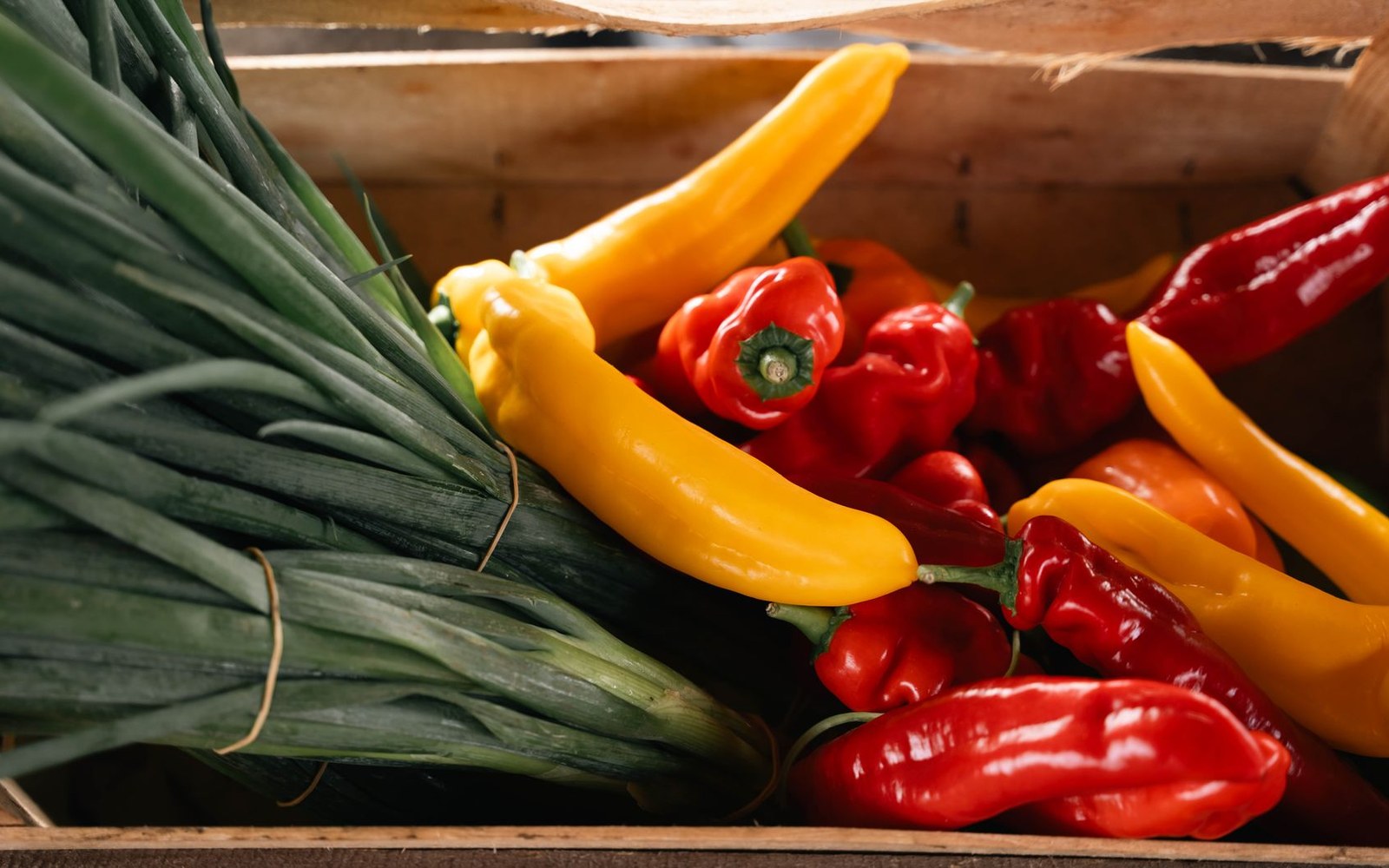
Row cropping on a plot small enough to water from a hand-cut ditch.
Photo: Viridiana Rivera / Pexels
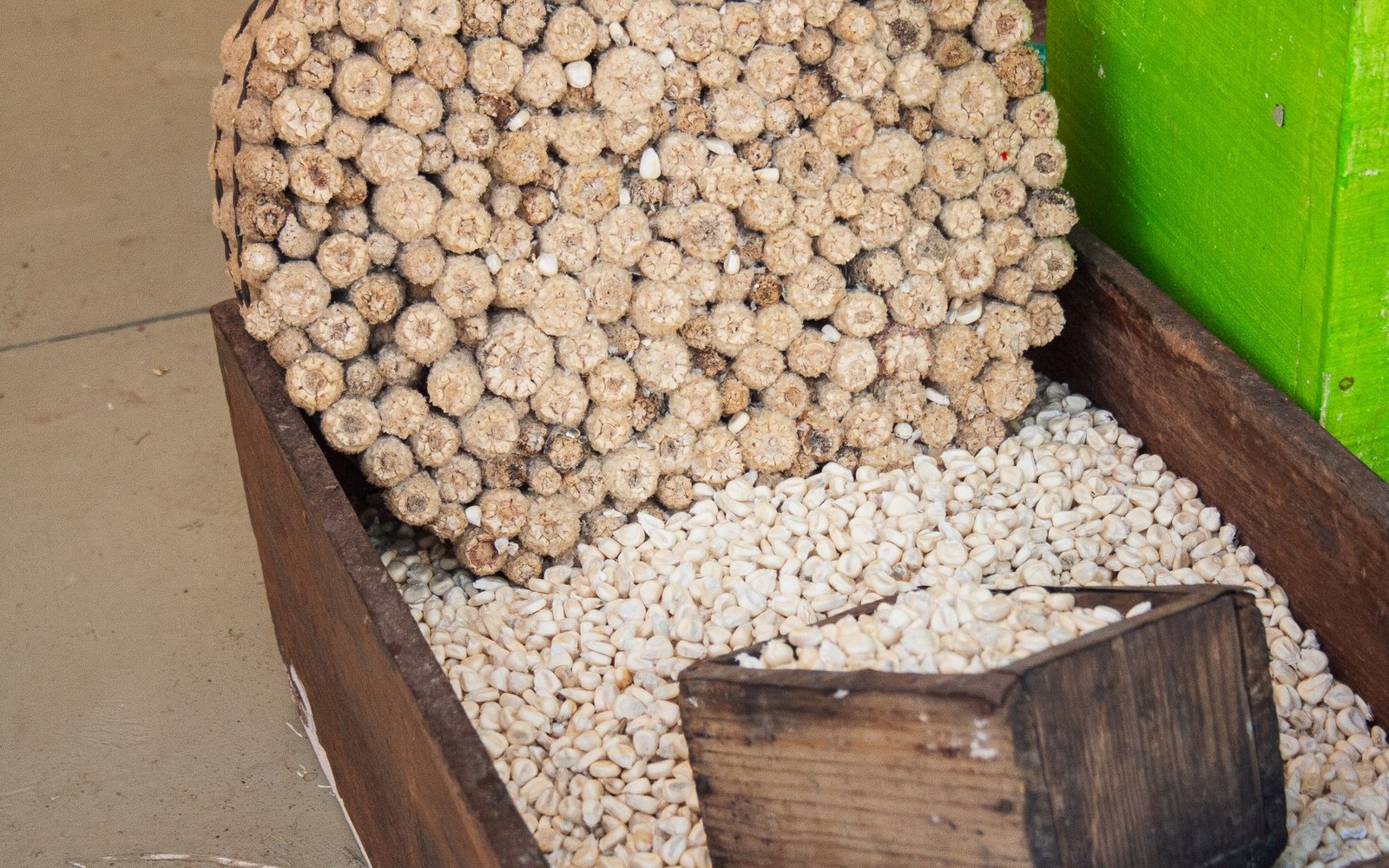
Corn is the first of the three sisters and the only one that became a dish with a name of its own.
Photo: Noemí Jiménez / Pexels
The three-sisters polyculture survives in kitchen gardens at Pueblo communities and in the seed-saving networks that have kept locally adapted corn cultivars — plant varieties produced by selective breeding and maintained through controlled cultivation — from disappearing into commercial agriculture. Fabián García's early twentieth-century standardisation work at the New Mexico College of Agriculture and Mechanic Arts focused on chile, not on corn or squash, and the three-sisters crops largely escaped the pressures of industrial breeding that reshaped so much of American agriculture. That near-invisibility may be why they endured.
Also in Growers