NuMex Big Jim, 1974: The Largest Pod on Record
Roy Nakayama's record-breaking chile was an answer to a question the processing industry had been asking for years — and the heat dial paid the price.
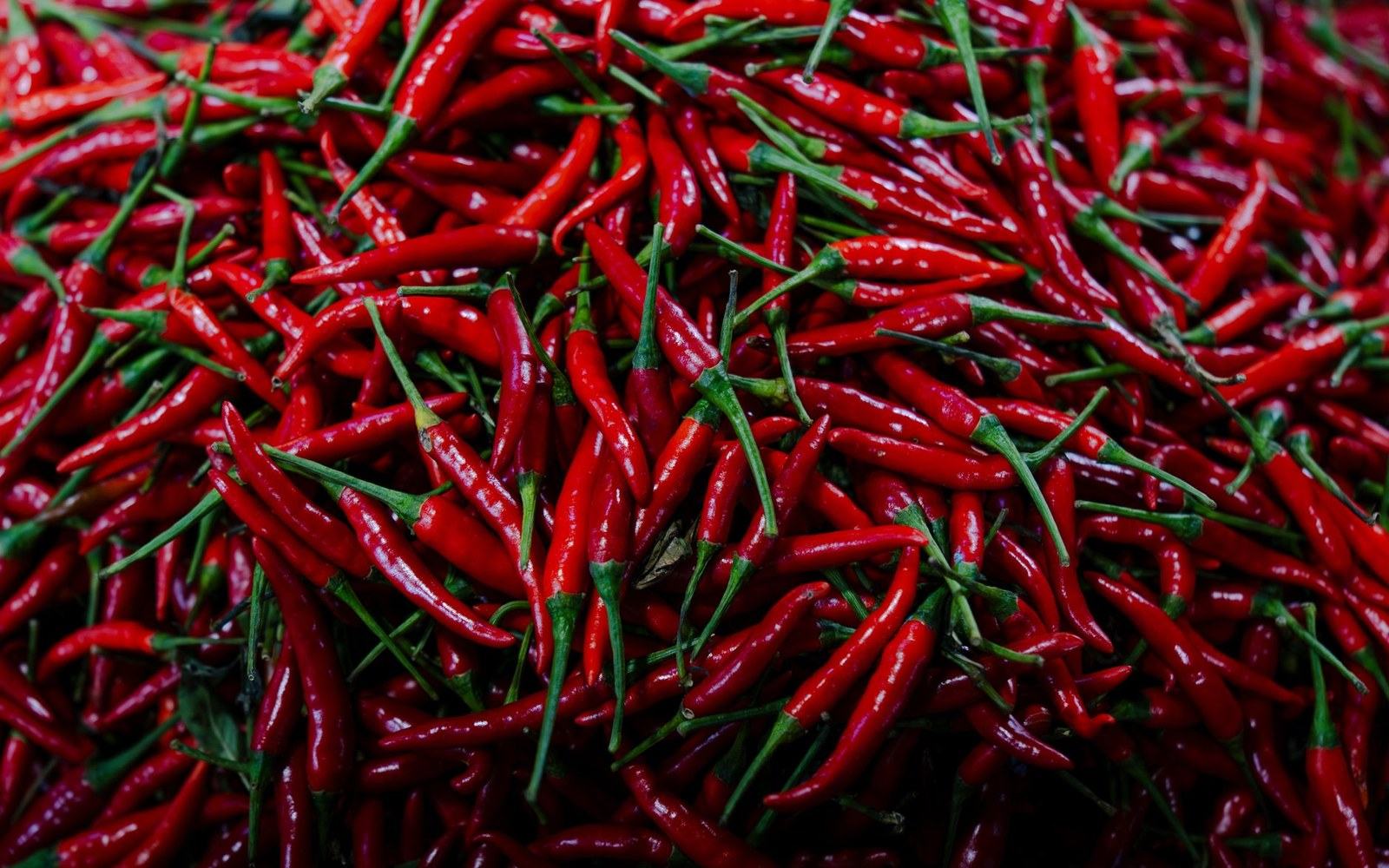
Photo: Elizabeth Celestino / Pexels
A Practical Pod, Built Large
When Roy Nakayama released NuMex Big Jim from New Mexico State University ↗'s chile breeding programme in 1974, the goal was not spectacle. The processing and canning industry needed a pod big enough to fill a can efficiently — a pod with thick, uniform flesh, predictable shape, and high yield per acre. Big Jim delivered on every count. Recorded by the Guinness World Records as producing the longest chile pod at the time — individual specimens reached roughly thirteen inches — the cultivar became a commercial cornerstone of the Hatch Valley almost immediately.
Nakayama was working within a lineage that Fabián García had established when he released New Mexico No. 9 in 1913. No. 9 had imposed order on the wild variation of New Mexico's landrace chiles: consistent pod size, milder heat than the folk strains it replaced, and enough uniformity for a commercial grower to plan a season around it. Big Jim pushed all of those tendencies further. Where No. 9 had standardised, Big Jim optimised — longer, fleshier, milder, and easier to peel after roasting.
The Trade-Off Built Into the Wall
That mildness is the point of contention. Big Jim sits at the low end of the capsaicin ↗ scale for New Mexico chiles — typically between 500 and 2,500 Scoville Heat Units, depending on growing conditions and season stress. For a consumer who grew up on Chimayó heirloom pods or the hotter selections that commercial breeders have released since, Big Jim can read as almost sweet. The size that made it a commercial triumph is inseparable from the cell-wall thickness that dilutes the capsaicin concentration.
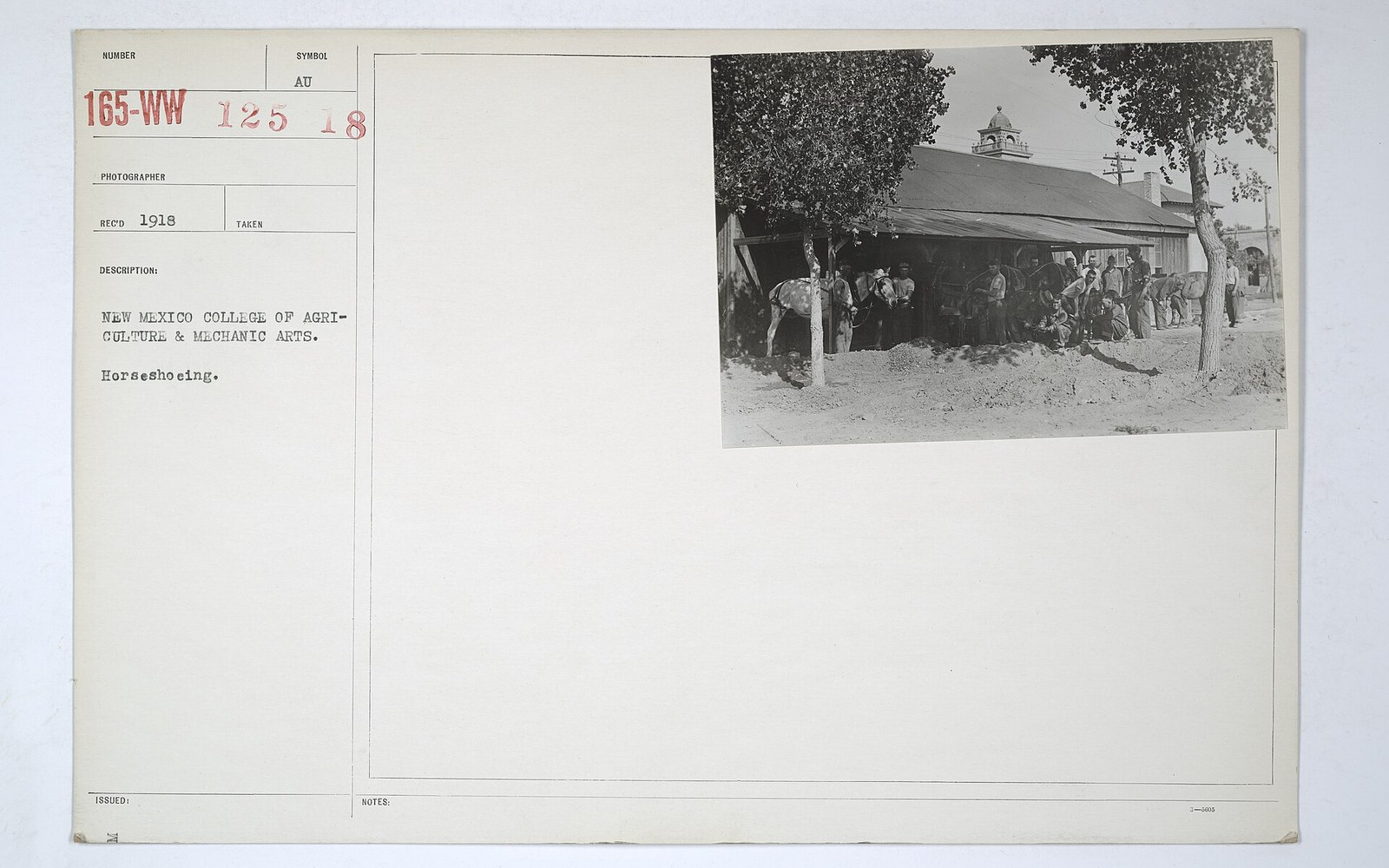
The college where both releases were made, six decades apart.
Photo: Wikimedia Commons
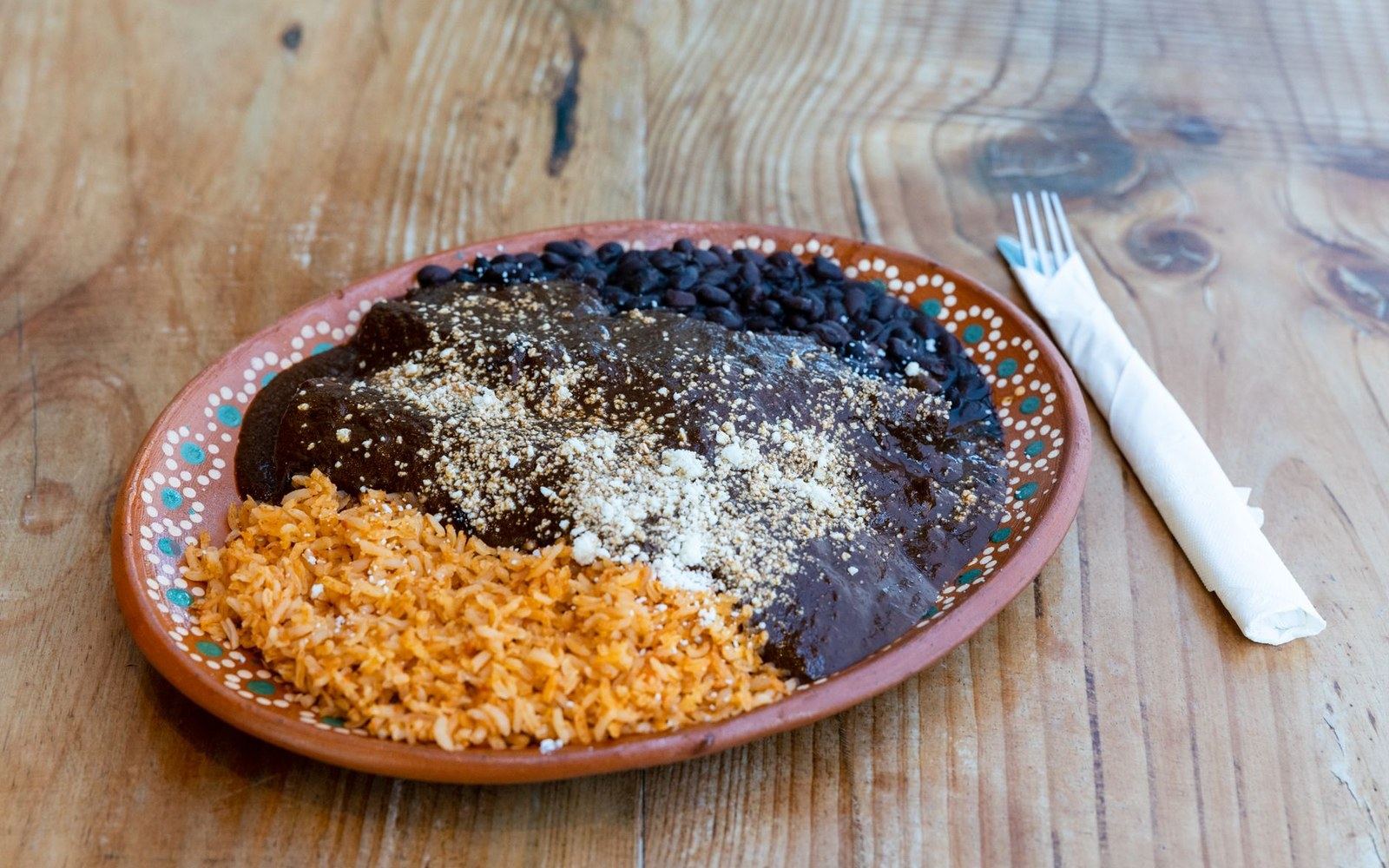
Big Jim was bred to be stuffed. A pod sized to a relleno is a pod bred for a dish.
Photo: Snappr / Pexels
This is not a flaw in Nakayama's work — it is the nature of the breeding trade. Selecting for large, thick-walled pods under irrigated, nutrient-rich conditions reliably suppresses heat, because stress conditions are among the primary drivers of capsaicin production. A well-irrigated Big Jim grown in the Hatch Valley will be milder than an identical plant pushed through a dry, late-season finish. The pod tells the story of what happened in the field.
Big Jim remains among the most widely planted New Mexico chile cultivars, and its footprint in the canned green chile market is larger than any single heirloom strain could achieve. Nakayama's record-holder solved the industry's problem precisely as intended — at the exact cost the breeding logic required.
Also in Chile